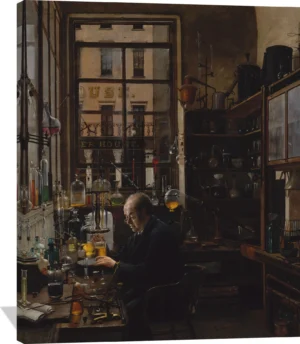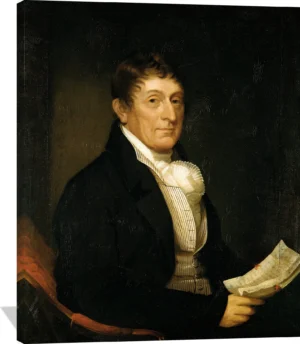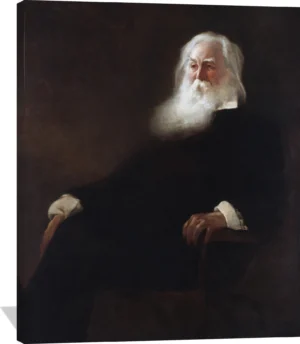
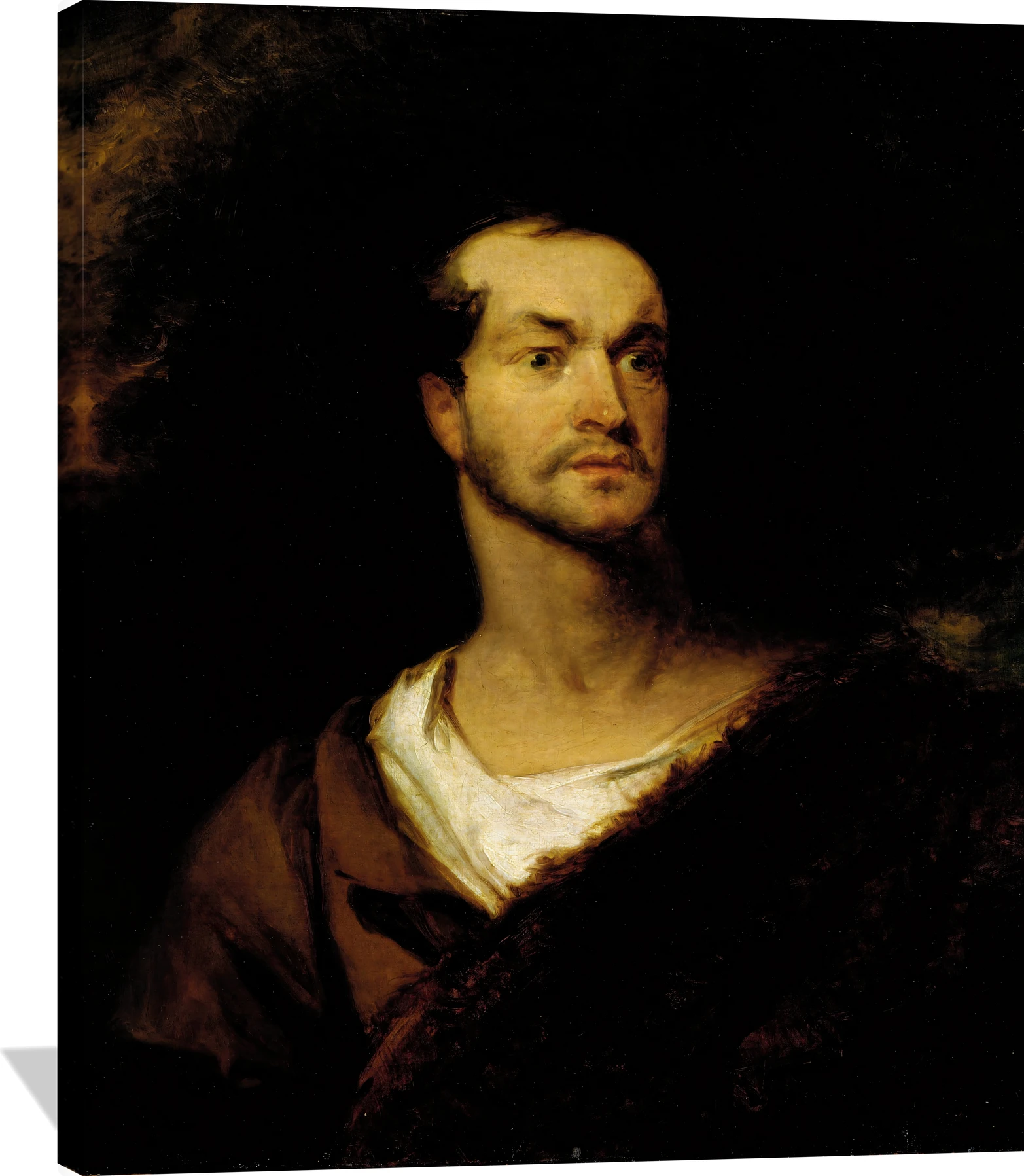
The Henry Inman William Charles Macready as William Tell canvas captures a commanding presence bathed in dramatic light and shadow. Deep earth tones, warm browns, and soft golden highlights evoke the quiet intensity of a heroic figure emerging from darkness. Inman’s refined brushwork and subtle realism lend the portrait a timeless dignity and emotional depth.
This museum-quality canvas print brings classic American artistry into your home, making a striking focal point for a study, library, or sophisticated living space. The William Charles Macready as William Tell wall art embodies courage and contemplation—an elegant statement piece for collectors and admirers of historic portraiture.
Henry Inman (1801–1846) was a leading American painter of the early nineteenth century, known for his refined portraiture and his role in shaping the young nation’s artistic identity. Born in Utica, New York, and active primarily in New York City, he emerged as one of the country’s most sought‑after painters during a period when American art was defining its own visual language.
Artistic Style and Approach
Inman’s work is distinguished by its clarity, warmth, and sensitive handling of character. His portraits balance naturalism with a gentle idealization, capturing likeness while revealing the sitter’s inner presence. A skilled colorist, he often used softly modulated light and a harmonious palette to enhance the immediacy of his subjects. His style reflects the transition between early American folk portraiture and the more polished academic tradition, making him a pivotal figure in the development of a national aesthetic.
Subjects and Notable Contributions
Although best known for his portraits of political leaders, cultural figures, and everyday Americans, Inman also painted genre scenes and landscapes. His depictions of Native American leaders created in connection with the work of Thomas L. McKenney form a significant part of his legacy, offering a respectful and humanizing record during a period of intense cultural upheaval. Many of his portraits remain valuable documentary images of nineteenth‑century American life.
Cultural and Historical Significance
A founding vice president of the National Academy of Design, Inman helped shape the institutional foundations of American art. His influence extended through his teaching, collaborations, and the high demand for his portrait commissions. Though his career was cut short by his early death, his work endures as a testament to the sophistication and ambition of American painting in the decades before the Civil War. Distinguished by its keen observation and quietly expressive detail, his art continues to be celebrated for its contribution to the visual history of the United States.