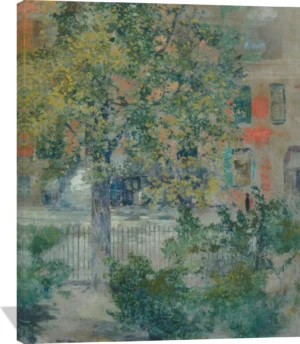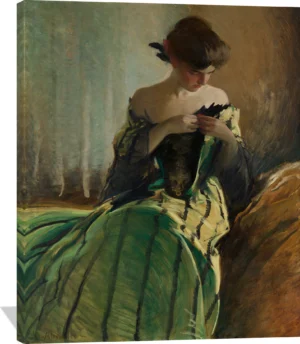
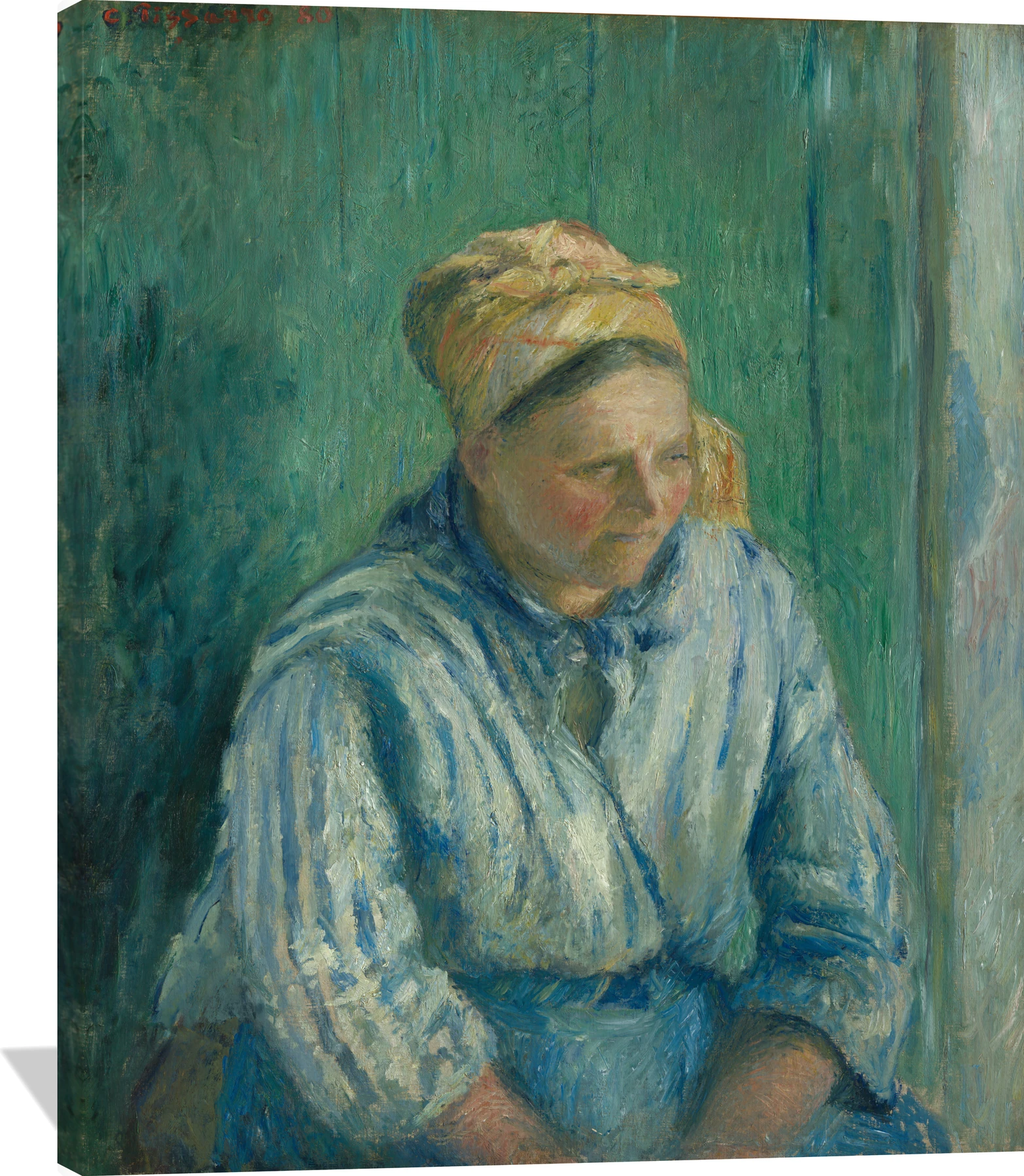
The Camille Pissarro Washerwoman, Study canvas captures a quiet moment of reflection through soft impressionist brushwork and a serene palette of muted greens, blues, and warm ochres. The seated figure, bathed in gentle light, embodies the dignity of everyday life that Pissarro so masterfully portrayed.
This elegant wall art brings a sense of calm and authenticity to any setting—perfect for a living room, study, or entryway. A timeless canvas print that celebrates the beauty of simplicity and the warmth of human presence, it adds depth and refinement to both classic and contemporary interiors.
Camille Pissarro (1830–1903), born in Charlotte Amalie, Saint Thomas, and later active in Paris, was a foundational figure in the emergence of modern art. As one of the few artists to participate in all eight Impressionist exhibitions, he played a vital role in shaping the movement’s philosophy and aesthetics.
Artistic Style
Pissarro’s work is distinguished by its luminous palette, sensitive brushwork, and devotion to capturing the effects of natural light. Initially a leading voice within Impressionism, he later explored the structured, analytical methods of Neo-Impressionism, adopting pointillist techniques for several years. His ability to move fluidly between styles while maintaining a consistent artistic vision makes him a uniquely influential figure in 19th‑century art.
Subjects and Themes
Renowned for his depictions of rural life, Pissarro painted fields, orchards, peasant laborers, and small villages with remarkable empathy and authenticity. In his later career, he turned to urban subjects, creating atmospheric views of Paris, Rouen, and Dieppe from high vantage points. Whether portraying a bustling boulevard or a quiet country road, he infused each scene with a sense of harmony and lived experience.
Legacy and Significance
Often referred to as the “dean” of the Impressionists, Pissarro was a guiding figure within the group, admired for his thoughtful experimentation and generous mentorship. His openness to new ideas and his commitment to portraying modern life with clarity and sincerity remain central to his enduring appeal. Today, his works ranging from pastoral landscapes to dynamic cityscapes stand as some of the most compelling expressions of Impressionist innovation and the evolving spirit of modern art.