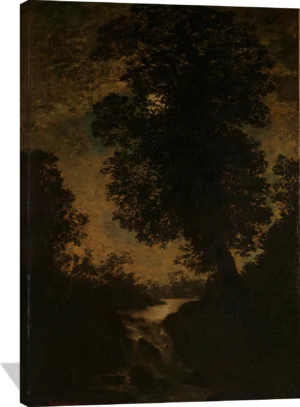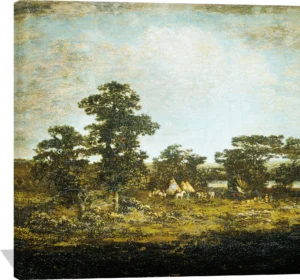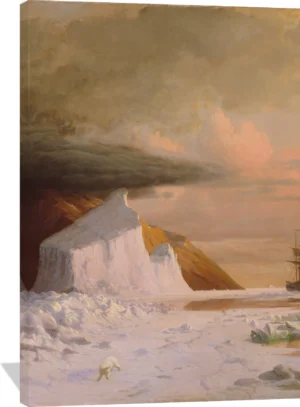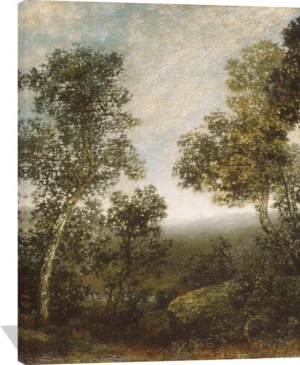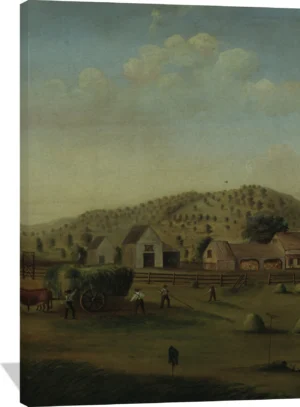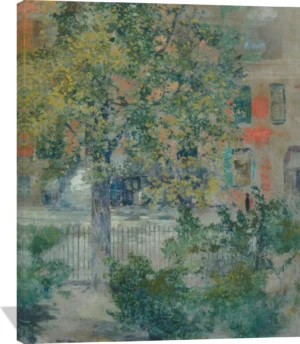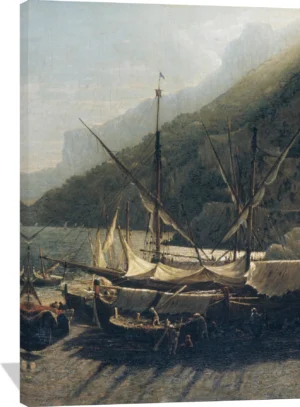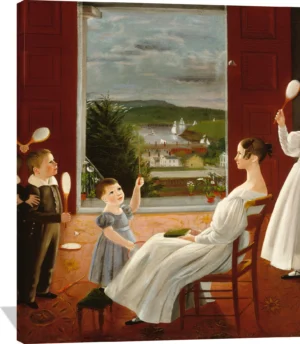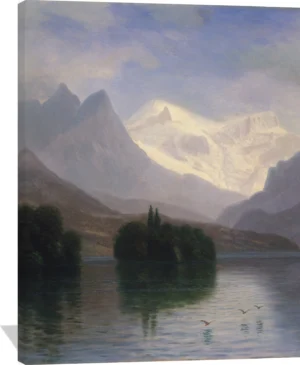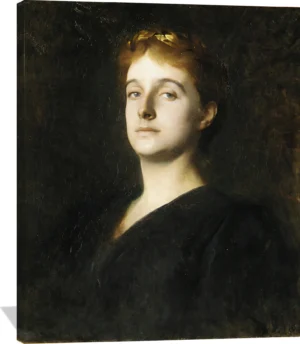
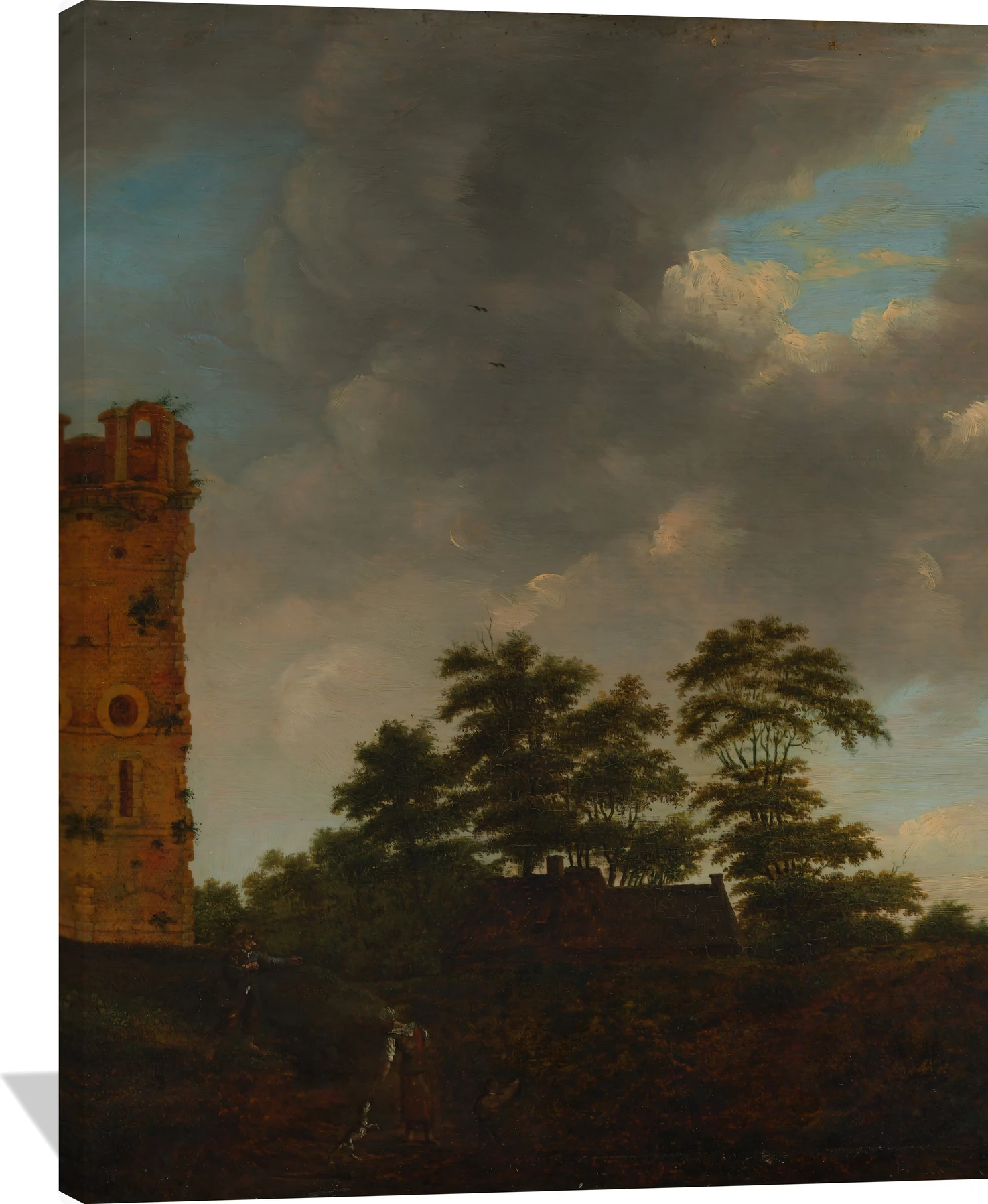
The Emanuel Murant The Old Castle canvas captures the quiet grandeur of a weathered fortress beneath a dramatic sky. Rendered in deep earth tones, soft greens, and muted blues, this masterful Dutch landscape evokes both mystery and serenity. The play of light across the castle’s aged stone walls and the sweeping clouds above creates a timeless sense of stillness and depth.
This elegant wall art brings a touch of historic charm to any space—ideal for a study, living room, or entryway. A fine canvas print for those who appreciate classical artistry and the enduring beauty of 17th-century landscapes.
Emanuel Murant (Amsterdam 1622–1700 Leeuwarden) was a Dutch Golden Age painter celebrated for his quietly atmospheric depictions of rural life and the weathered architecture of the seventeenth-century Netherlands.
Artistic Style
Murant’s work is distinguished by its meticulous realism, measured compositions, and subtle handling of light. His paintings often reflect a calm, almost meditative quality, achieved through precise draftsmanship and a restrained palette that enhances the tactile textures of brick, timber, and overgrown landscapes. Influenced by the naturalistic tendencies of his era, he developed a personal style centered on clarity and delicate detail.
Subjects and Themes
Best known for his renderings of rustic farms, dilapidated buildings, and quiet village corners, Murant excelled at portraying the poetry of decay. His scenes frequently feature abandoned structures, crumbling facades, or simple domestic settings, all depicted with a sensitive eye for atmospheric perspective. Human figures are rare, which reinforces the serene, contemplative mood that defines his most admired works.
Legacy and Significance
Though not as widely known as some of his contemporaries, Murant holds an important place in Dutch Golden Age painting for his refined architectural landscapes and his ability to transform ordinary rural settings into compelling visual narratives. His devotion to authenticity and his nuanced observation of everyday environments make him a notable interpreter of the Dutch countryside. Today, his works remain valued for their quiet elegance, technical precision, and enduring cultural resonance.