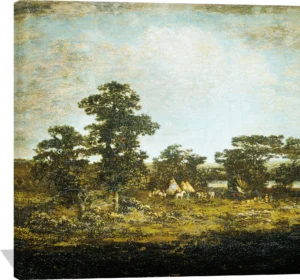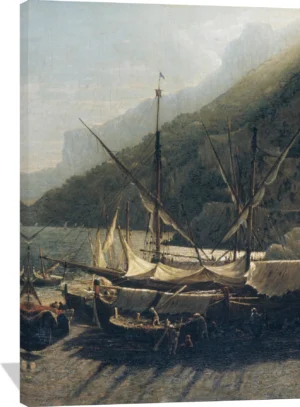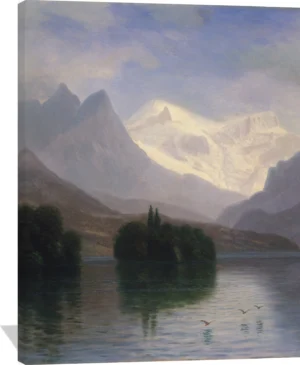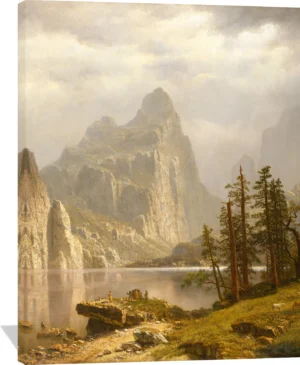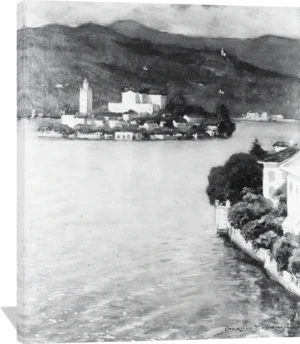
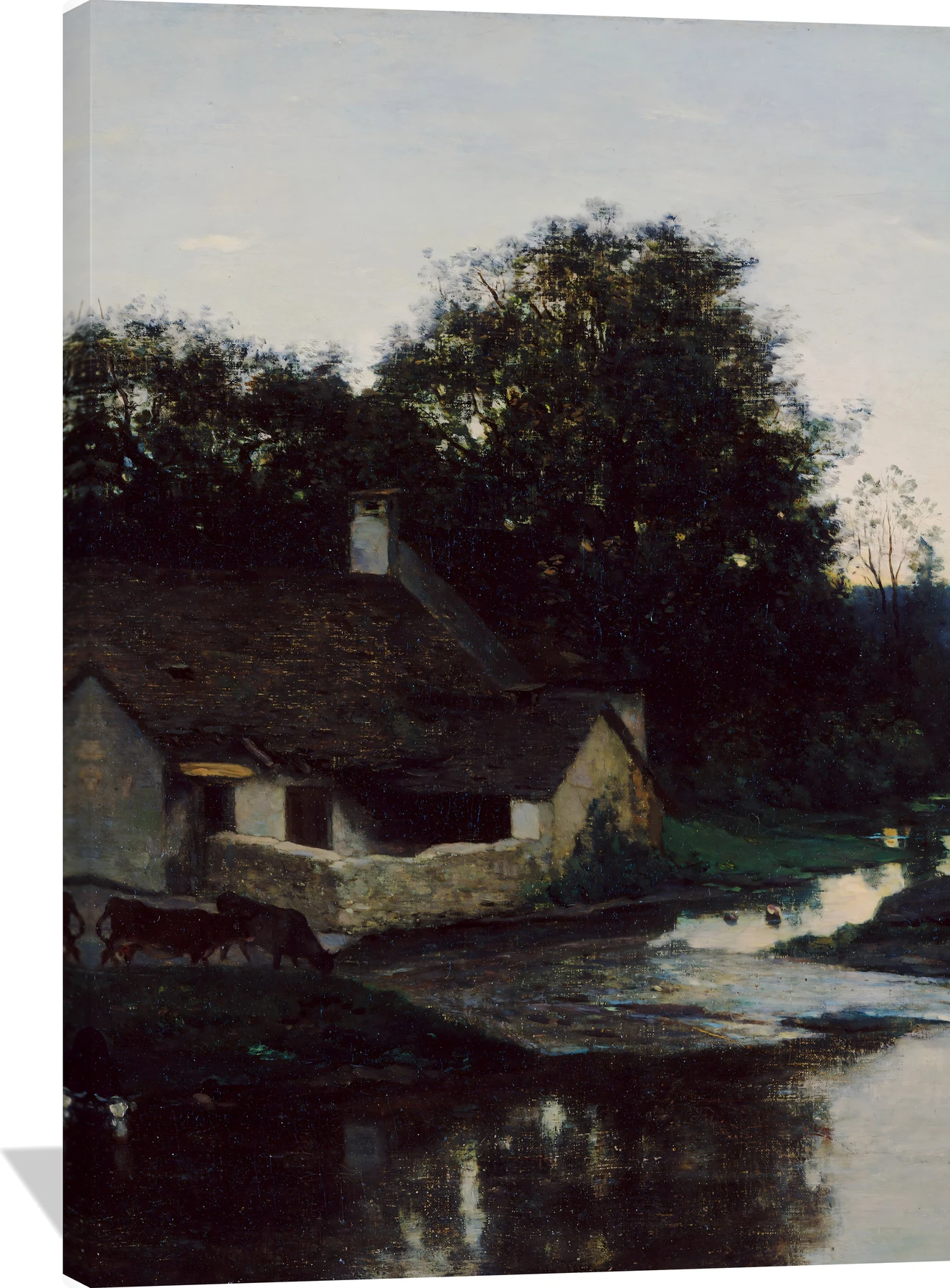
The Charles-François Daubigny The Hamlet of Optevoz canvas captures the serene charm of rural France at dusk. Soft tones of earthy brown, moss green, and muted blue blend harmoniously across the tranquil water and rustic cottages, evoking a quiet, reflective mood. Daubigny’s masterful brushwork and natural light create a timeless sense of calm and authenticity.
This elegant wall art brings a touch of pastoral beauty to any living room, study, or entryway. A high-quality canvas print of The Hamlet of Optevoz offers a refined connection to 19th-century French landscape artistry, perfect for those who appreciate understated sophistication and the poetry of nature.
Charles-François Daubigny (1817–1878) was a leading figure of the French landscape tradition and an important forerunner of Impressionism. Born and based in Paris, he built a career that reshaped nineteenth‑century approaches to nature painting through his sensitivity to light, atmosphere, and everyday rural scenery.
Artistic Style and Vision
Daubigny is celebrated for his fluid brushwork, naturalistic observation, and harmonious tonal palettes. Associated with the Barbizon School, he embraced painting directly from nature, favoring spontaneity over academic finish. His innovative use of a studio boat, which allowed him to work along the Seine and Oise, enabled him to capture shifting reflections, riverbanks, and skies with unprecedented immediacy. This fresh, open-air approach had a profound influence on younger painters, including the emerging Impressionists.
Subjects and Distinctive Qualities
His canvases often depict tranquil waters, farmland, orchards, and quiet villages, rendered with an atmosphere that feels both poetic and grounded. Daubigny’s ability to convey subtle transitions of daylight and weather became one of his hallmark strengths. Works such as The River and Sunset on the Oise demonstrate his talent for infusing humble landscapes with emotional resonance. His compositions avoid dramatic spectacle in favor of serene, immersive scenes that invite slow contemplation.
Legacy and Cultural Significance
Daubigny occupies a pivotal place in nineteenth‑century art as a bridge between the Barbizon painters and the Impressionists. His early advocacy for working outdoors, along with his looser handling of paint, helped shift French landscape art toward greater immediacy and authenticity. Widely respected in his time and influential well beyond it, he is remembered as a key precursor to Impressionism whose devotion to the natural world shaped modern landscape painting.