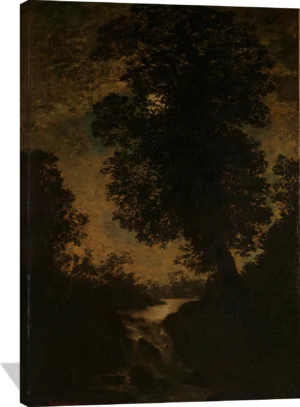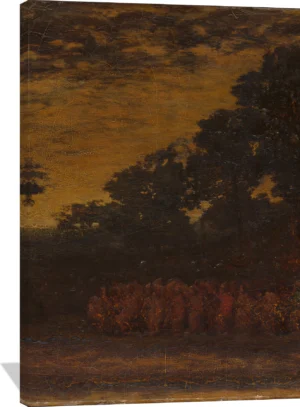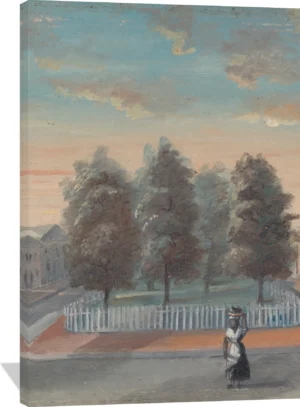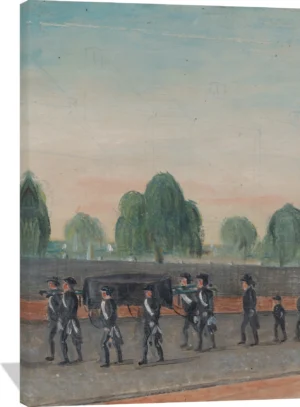
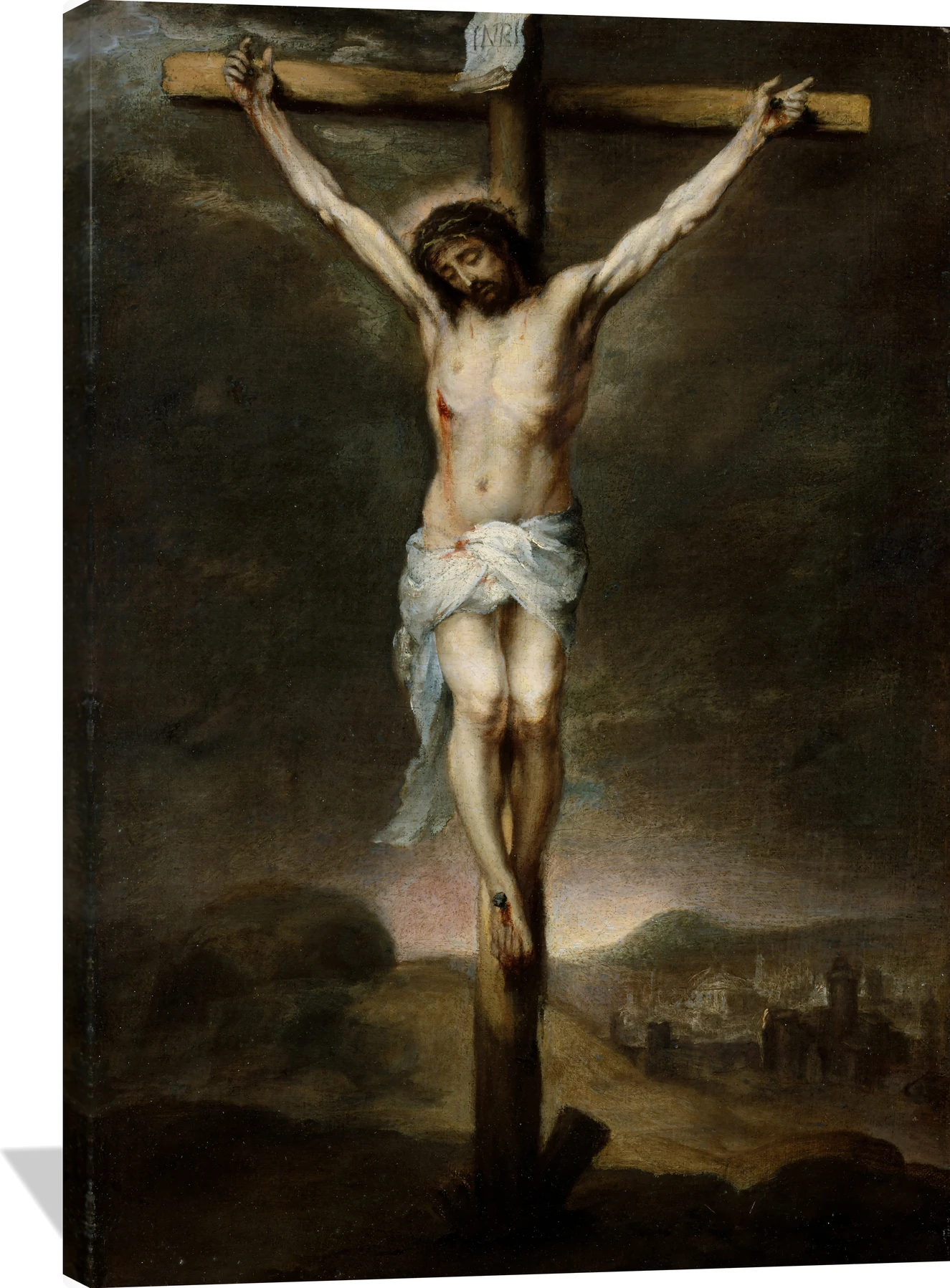
The Bartolomé Estebán Murillo The Crucifixion canvas captures a moment of profound reverence and spiritual intensity. Rendered in soft earth tones of umber, ivory, and muted gold, this vertical composition draws the eye to the serene figure illuminated against a shadowed sky. Murillo’s masterful use of light and texture evokes both drama and devotion, making this piece a timeless expression of faith and artistry.
This premium canvas print brings classical depth to any interior—ideal for a contemplative study, elegant entryway, or refined living room. A museum-quality reproduction, it honors the legacy of the 17th-century Spanish master while enriching your space with quiet grace and emotional power.
Bartolomé Estebán Murillo (Spanish, Seville 1617–1682 Seville) was one of the most celebrated painters of the Spanish Baroque, renowned for his luminous technique and deeply human approach to sacred and everyday subjects.
Artistic Style
Murillo’s work is distinguished by its warm palette, gentle modeling of form, and refined naturalism. His mastery of soft chiaroscuro gave his figures a tender radiance, a hallmark that set him apart from his contemporaries. This subtle handling of light imbued both religious scenes and genre subjects with an atmosphere of serenity and emotional immediacy.
Subjects and Themes
Although best known for devotional imagery such as depictions of the Virgin, saints, and episodes from the life of Christ Murillo also excelled in scenes of daily life. His portrayals of street children, flower sellers, and humble Sevillian figures brought unprecedented dignity to ordinary subjects. Works like The Young Beggar and Two Women at a Window reveal his exceptional ability to blend realism with warmth and psychological insight.
Notable Contributions
Murillo played a pivotal role in shaping the Sevillian school of painting. His ability to convey spiritual themes with graceful humanity made him one of the most sought-after artists of his era. He helped popularize a softer interpretation of the Baroque, emphasizing empathy and visual harmony over dramatic contrasts. His religious commissions, especially images of the Immaculate Conception, became influential models throughout Spain and beyond.
Cultural and Historical Significance
As a leading figure of 17th-century Spanish art, Murillo bridged the grandeur of the Baroque with a more intimate, approachable aesthetic. His paintings remain admired for their emotional clarity, technical finesse, and enduring sense of compassion. Today, Murillo is recognized as a master whose work captures both the spiritual devotion and the lived reality of Golden Age Spain, securing his place as one of the period’s most important and beloved painters.