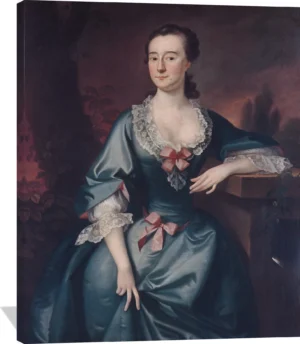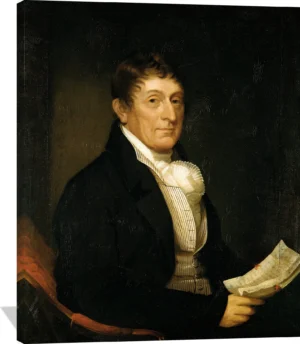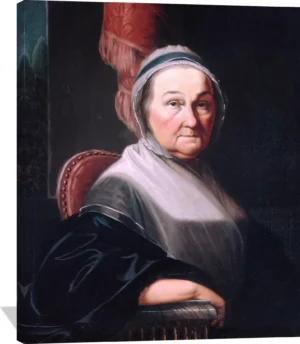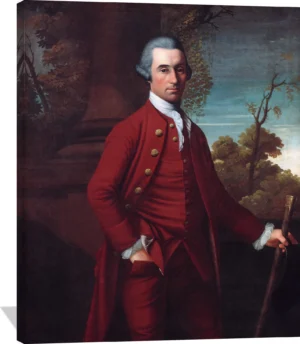
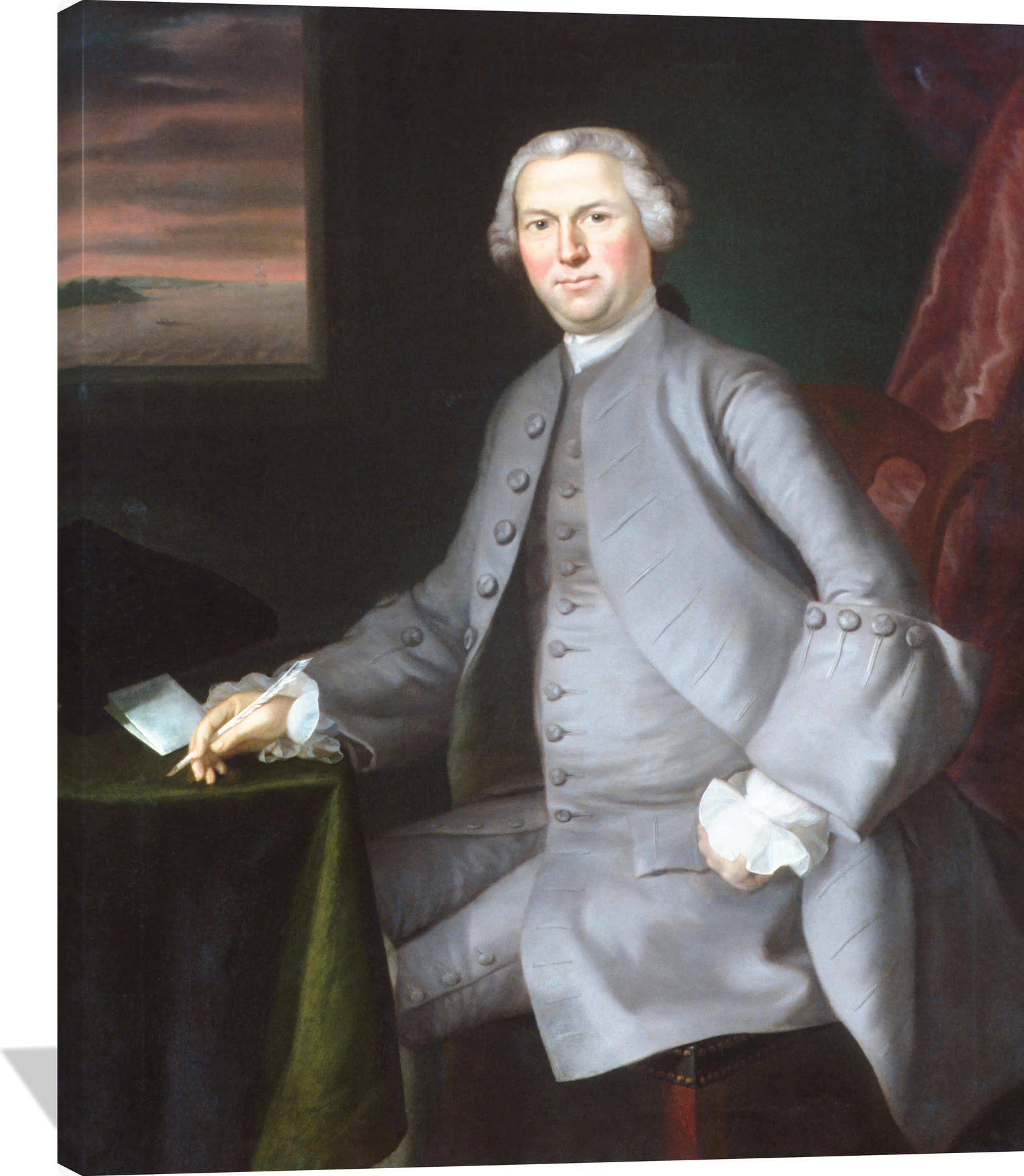
The Joseph Blackburn Samuel Cutts canvas captures the refined elegance of 18th-century portraiture with remarkable grace. Rendered in soft grays, muted greens, and warm flesh tones, this dignified composition conveys poise and intellect through subtle light and texture. The sitter’s composed expression and tailored attire evoke a timeless sense of sophistication and presence.
This exquisite Samuel Cutts wall art brings classical charm to any modern interior. Its balanced tones and stately mood make it a striking focal point for a study, library, or living room, offering a window into the artistry of Joseph Blackburn, active 1752–ca. 1778. A true statement piece for collectors of traditional portraiture and fine art enthusiasts alike.
Joseph Blackburn (active 1752–ca. 1778) was an English-born portraitist whose refined technique helped shape the visual identity of colonial America. Known for his elegant handling of fabrics and poised, graceful sitters, Blackburn produced some of the most polished portraits of the mid‑18th century.
Artistic Style
Blackburn’s work is distinguished by its smooth surfaces, delicate coloration, and highly finished renderings of silk, lace, and jewelry. His portraits often highlight the social stature of his subjects, using sumptuous textures and refined compositions to convey sophistication and presence.
Subjects and Contributions
Specializing in portraits of prominent families in New England and the Caribbean, Blackburn captured the rising colonial elite with an attention to costume and demeanor that set a new standard for local painters. His skill in depicting luxurious textiles became a hallmark of his practice and influenced younger artists of the period, including John Singleton Copley.
Cultural Significance
As one of the few highly trained European painters working in America before the Revolution, Blackburn played a pivotal role in elevating colonial portraiture. His work provides a vivid record of 18th‑century fashion, identity, and aspiration, offering insight into a culture on the cusp of transformation. Today, his portraits are valued for their craftsmanship and for their contribution to the development of early American art.