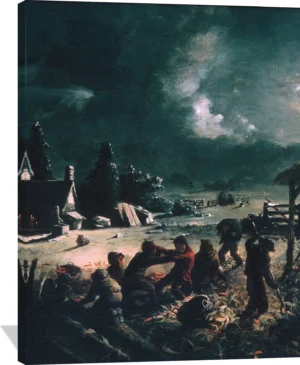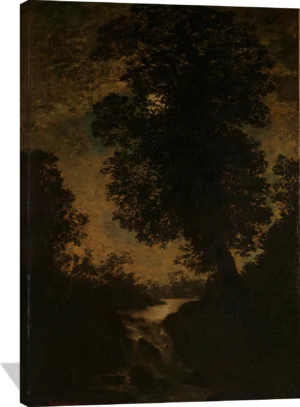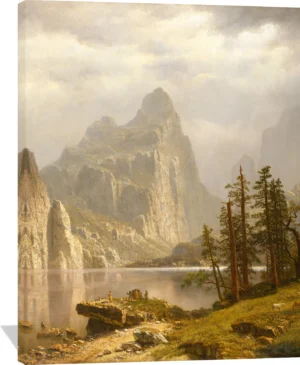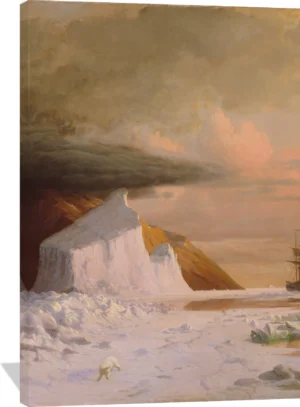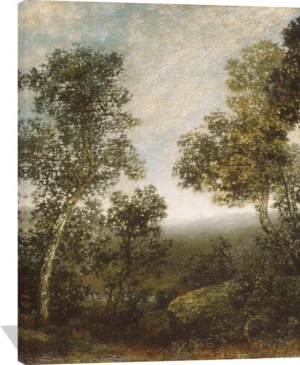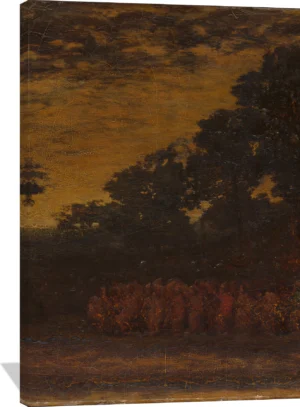
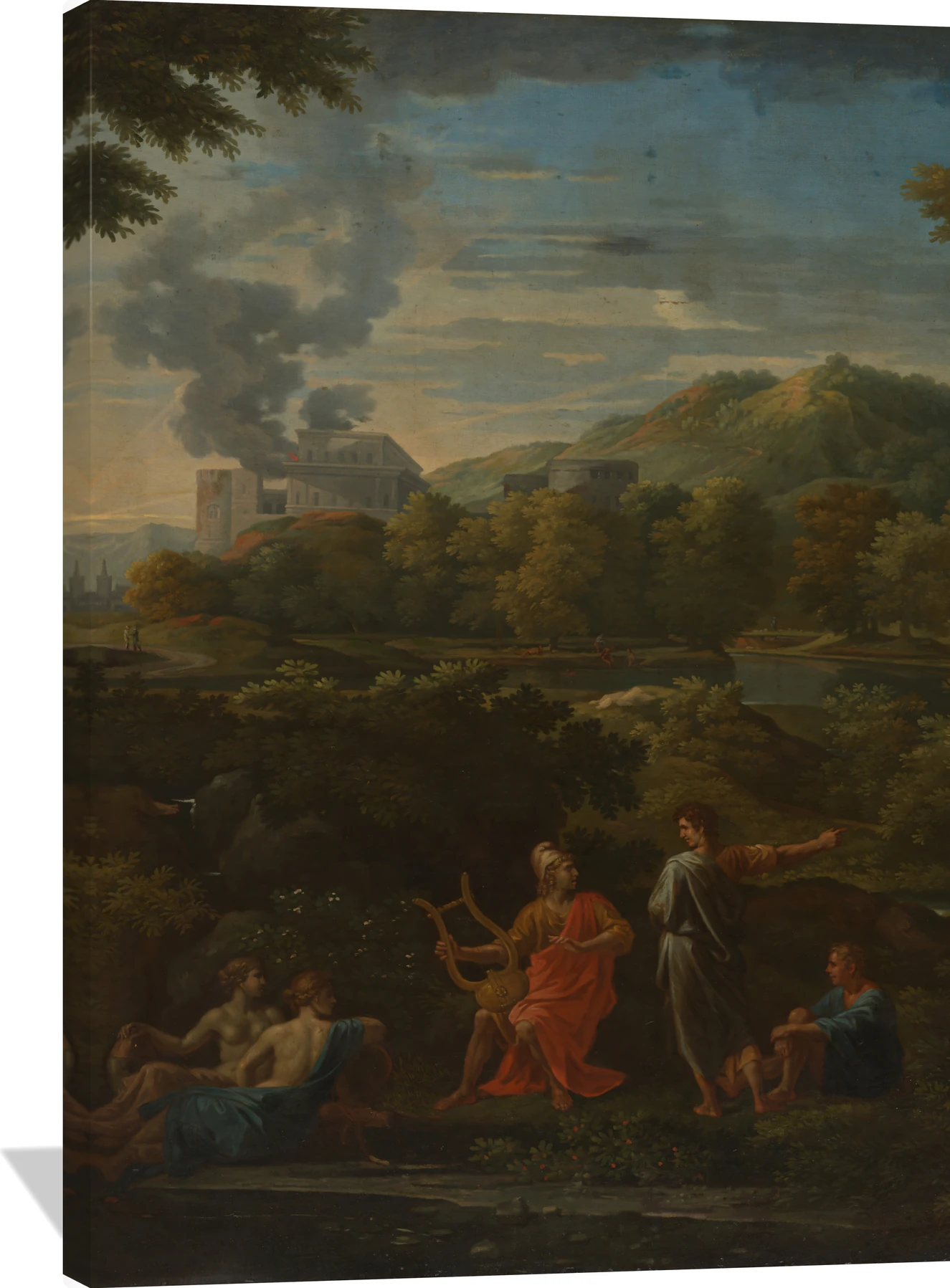
The Nicolas Poussin Orpheus and Eurydice canvas captures the timeless myth within a serene classical landscape. Bathed in warm earth tones, deep greens, and soft blues, the scene unfolds with poetic balance—figures gathered amid lush foliage, distant hills, and golden light. Poussin’s refined brushwork and harmonious composition evoke both drama and tranquility, making this piece a masterful study in emotion and order.
This elegant wall art brings a touch of 17th-century French sophistication to any space. Ideal for a living room, study, or entryway, this canvas print invites reflection on love, loss, and beauty through Poussin’s enduring artistry.
Nicolas Poussin (French, Les Andelys 1594–1665 Rome) stands as one of the most influential painters of the French Baroque, celebrated for his rigorous compositions and intellectual approach to narrative imagery. Working primarily in Rome, he developed a visual language rooted in classical antiquity, philosophy, and poetic clarity.
Artistic Style
Poussin’s work is defined by balanced structure, controlled emotion, and a deep commitment to classical ideals. His paintings emphasize harmony, reason, and order, often constructed with sculptural precision. This disciplined style became a foundation for later academic painting and contributed to his reputation as a master of classical classicism.
Subjects and Themes
He is renowned for historical, mythological, and biblical scenes, presenting complex narratives through carefully arranged figures and symbolic detail. Works such as The Abduction of the Sabine Women and The Triumph of Pan reveal his ability to weave drama and morality into serene, architectonic compositions. Pastoral landscapes, another significant aspect of his oeuvre, reflect his interest in nature as a site of contemplation and philosophical reflection.
Legacy and Significance
Poussin’s disciplined vision shaped generations of artists and established enduring principles of pictorial composition. His influence extended well beyond his lifetime, securing his place as a pivotal figure in the history of Western art and a lasting model of artistic intellect and refinement.