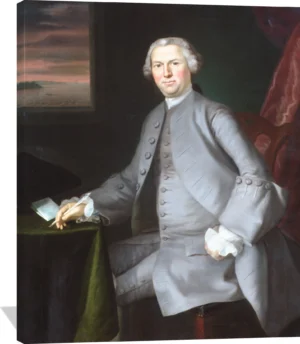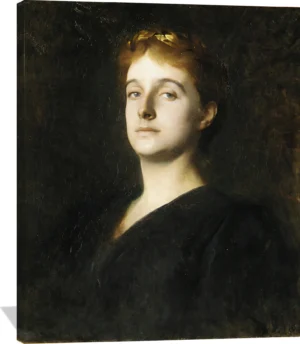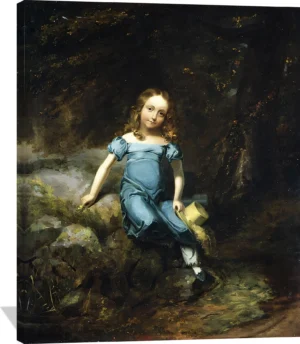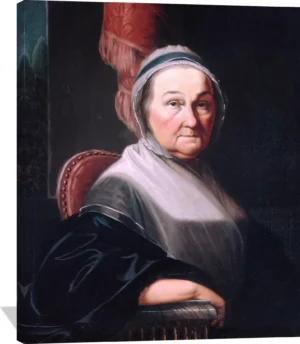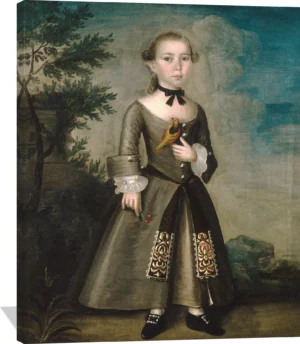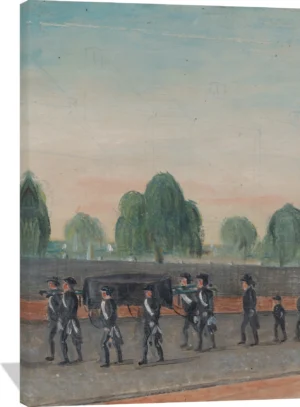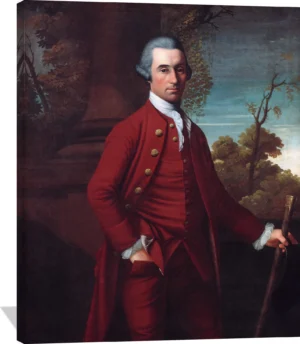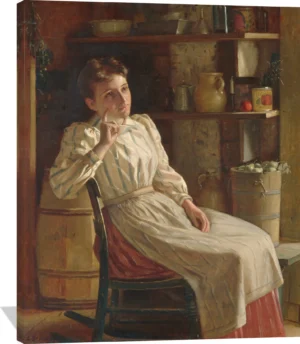
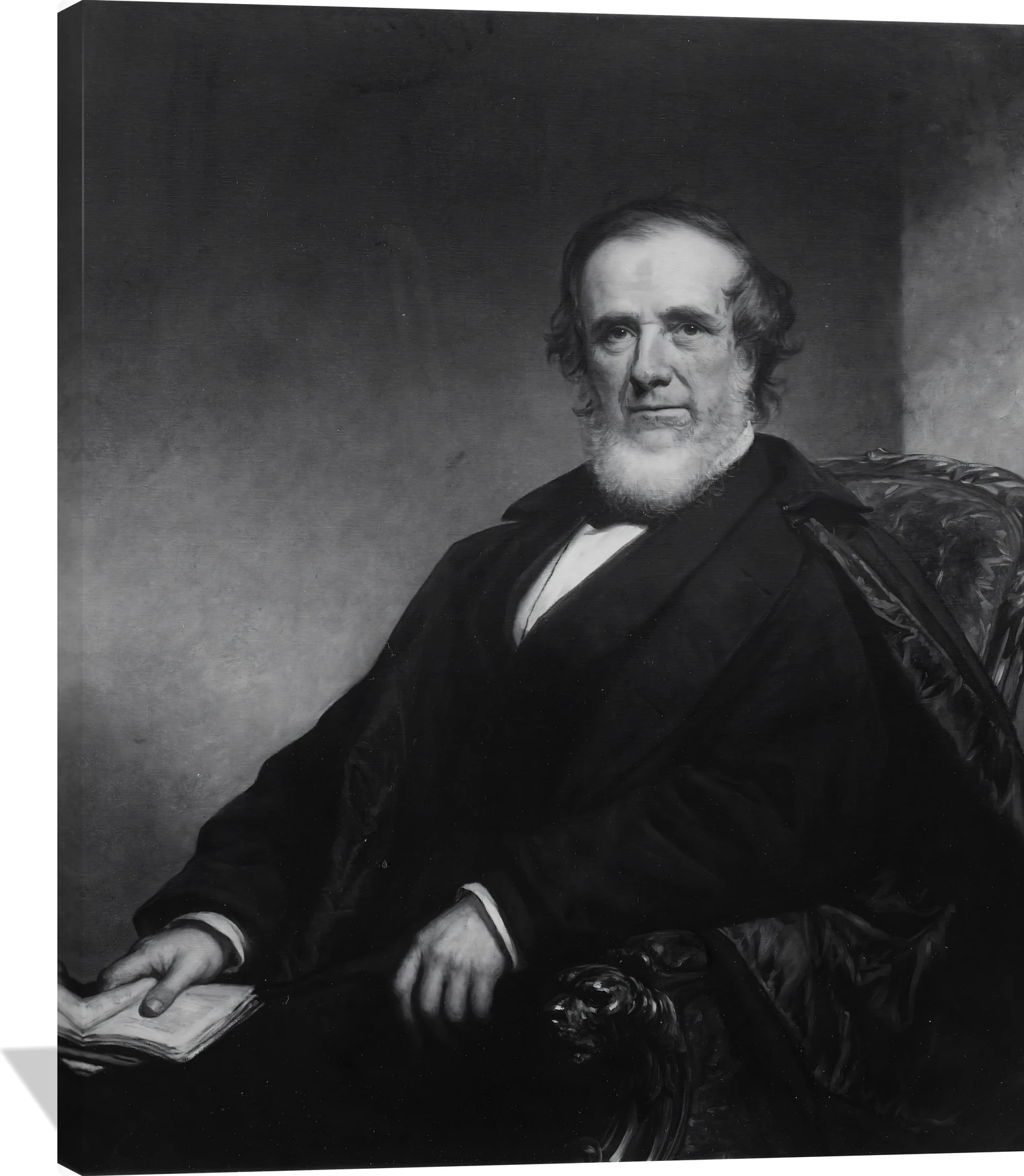
The Daniel Huntington John David Wolfe canvas captures the quiet dignity and refined presence of its subject through masterful realism and balanced composition. Subtle tones of charcoal, ivory, and warm brown create a timeless palette that enhances the sitter’s thoughtful expression and the rich textures of his attire and surroundings.
This distinguished wall art brings an air of sophistication to any space—ideal for a study, library, or formal living room. A canvas print of John David Wolfe offers a glimpse into 19th-century portraiture at its finest, reflecting Huntington’s skill in portraying both character and grace.
Daniel Huntington (1816–1906) was a prominent American painter whose long career helped shape the artistic identity of nineteenth‑century New York. Known for his refined technique and intellectual approach to painting, he bridged the worlds of portraiture, historical narrative, and idealized subjects rooted in moral and literary themes.
Artistic Style
Huntington’s work is distinguished by its polished academic finish, balanced compositions, and thoughtful emotional restraint. Influenced by the Hudson River School and European academic traditions, he combined clarity of form with a subtle, luminous palette. His paintings often reflect a harmonious blend of realism and idealism, demonstrating a commitment to both technical mastery and spiritual nuance.
Notable Subjects and Themes
Best known for his portraits, Huntington captured many political, cultural, and intellectual figures of his era with striking sensitivity. His ability to convey character through carefully observed detail made him a sought‑after portraitist in New York’s elite circles. Alongside this work, he produced historical and allegorical scenes that drew upon literature, religious narratives, and concepts of moral virtue. Works such as Mercy’s Dream exemplify his interest in symbolic storytelling and the contemplative inner life.
Contributions and Significance
Huntington played a central role in shaping American art institutions during a period of cultural expansion. A longtime member and later president of the National Academy of Design, he helped elevate professional standards and fostered an environment in which American artists could develop a distinct creative voice. His paintings serve as a visual record of major public figures and intellectual currents spanning more than six decades.
Legacy
Today, Huntington is recognized for his elegant portraiture and his ability to infuse narrative artworks with clarity and quiet depth. His legacy endures as part of the broader story of nineteenth‑century American art, reflecting a time when national identity, cultural aspiration, and artistic ambition converged in New York’s rapidly evolving art world.