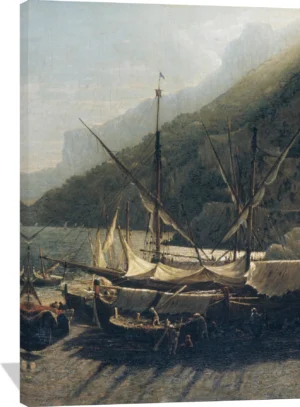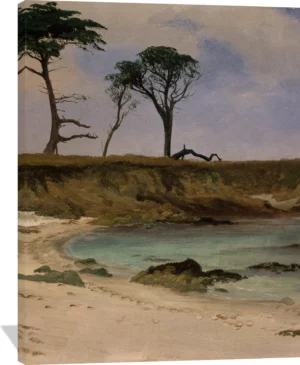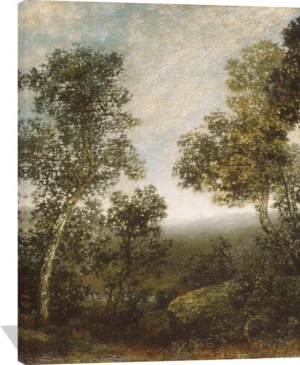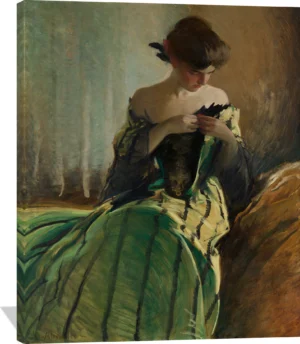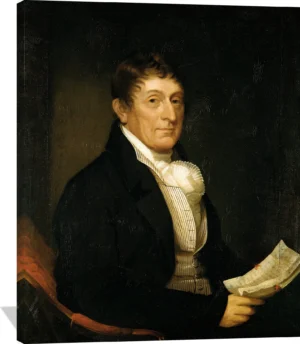
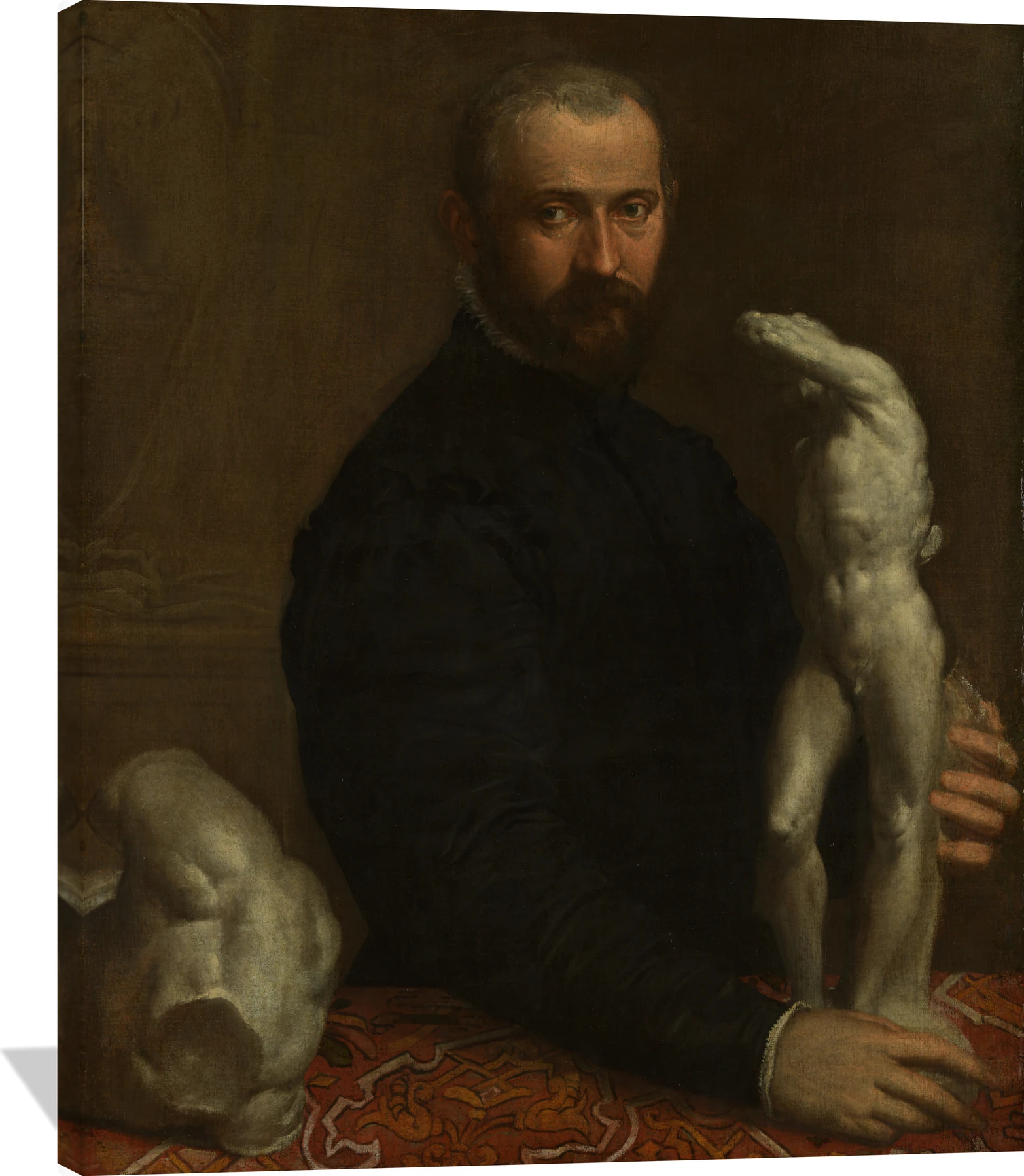
The Paolo Veronese Alessandro Vittoria canvas captures the refined elegance of Renaissance portraiture. Rendered in warm earth tones, deep blacks, and subtle golds, this striking composition portrays a sculptor beside his marble studies, illuminated by Veronese’s masterful play of light and texture. The balanced vertical orientation and restrained palette evoke timeless sophistication and quiet introspection.
This museum-quality canvas print brings Venetian artistry into your home, ideal for a study, living room, or entryway. The Alessandro Vittoria wall art adds depth and character to any space, celebrating the harmony between painter and sculptor that defined Italy’s golden age.
Paolo Veronese (Paolo Caliari), born in Verona in 1528 and active in Venice until his death in 1588, was one of the leading masters of the Venetian Renaissance. Celebrated for his opulent color, luminous atmospheres, and grand narrative scenes, Veronese brought a sense of theatricality and splendor to the visual language of 16th‑century Venice.
Artistic Style
Veronese’s paintings are defined by sumptuous color harmonies, graceful figuration, and meticulously constructed architectural settings. His command of light and hue often referred to as a hallmark of the Venetian school imbues his works with a vibrant, almost cinematic presence. He favored expansive compositions filled with dynamic interactions, luxurious fabrics, and a refined balance between grandeur and clarity.
Subjects and Themes
Known for large‑scale biblical and allegorical scenes, Veronese frequently incorporated contemporary Venetian life into his narratives, blending the sacred with the worldly. His works depict feasts, processions, and architectural marvels populated by elegantly dressed figures, creating immersive environments that draw the viewer into the story. Iconic paintings such as The Wedding at Cana and The Feast in the House of Levi exemplify his ability to transform traditional subjects into vivid cultural spectacles.
Notable Contributions
Veronese expanded the possibilities of narrative painting by integrating monumental architecture with vibrant human drama. His mastery of spatial illusion and color profoundly influenced later generations of European painters. Alongside Titian and Tintoretto, he helped define the Venetian Renaissance as a center of artistic innovation, shaping the evolution of Western art for centuries to come.
Cultural Significance
Working at a time when Venice was a flourishing hub of trade, culture, and diplomacy, Veronese captured the city’s spirit of elegance and cosmopolitan optimism. His paintings stand today as enduring celebrations of beauty, harmony, and visual splendor, making him one of the most admired figures of the Renaissance. Renowned for his radiant palette and monumental storytelling, Veronese remains a defining voice in the history of European art.