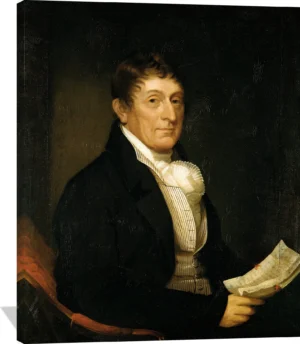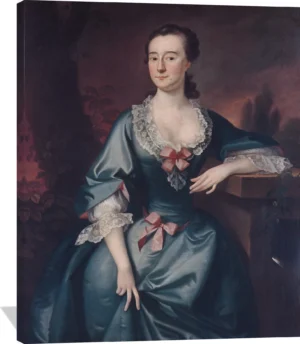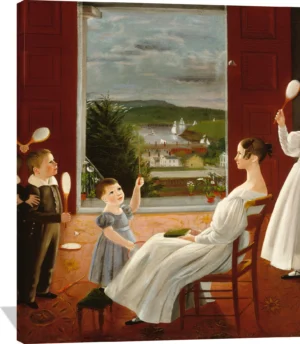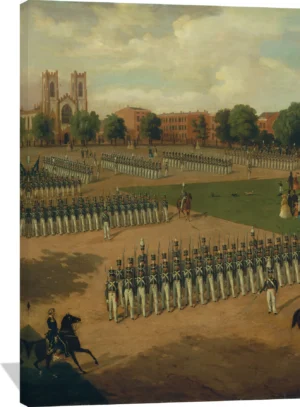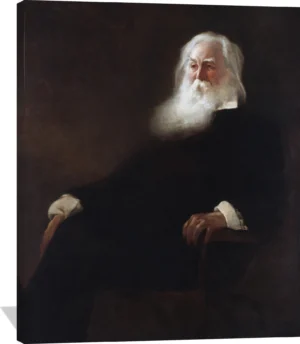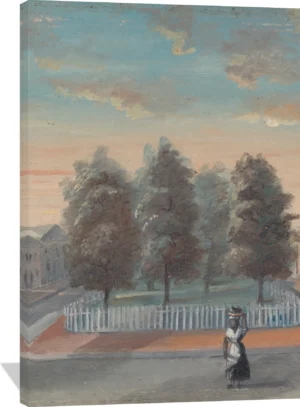
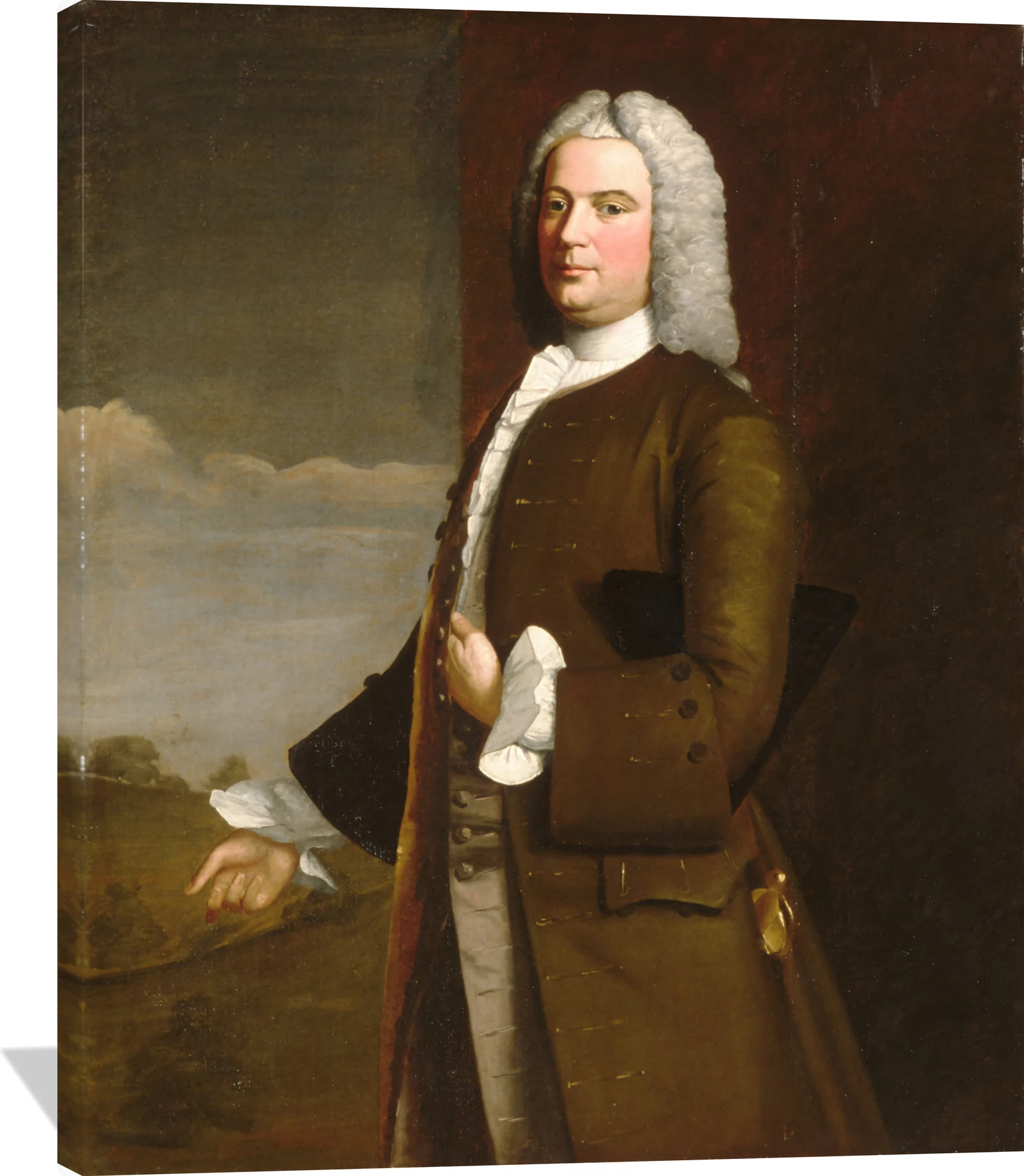
The Robert Feke Tench Francis canvas captures the dignified presence of an 18th-century gentleman rendered with refined detail and balanced composition. Warm browns, muted golds, and soft grays create a stately palette that enhances the sitter’s poise against a subtly lit background, evoking the elegance of colonial portraiture.
This timeless wall art brings sophistication and heritage to any interior. Perfect for a study, library, or formal living room, this canvas print embodies classic grace and craftsmanship, making it a striking focal point for collectors and admirers of early American art.
Robert Feke (ca. 1708–ca. 1751) was a seminal figure in early American portraiture, credited with helping shape the visual identity of the colonies during the mid‑18th century. Though little is known about his personal life, his surviving works reveal an artist of remarkable precision and stylistic clarity whose portraits brought a new level of sophistication to American painting.
Artistic Style
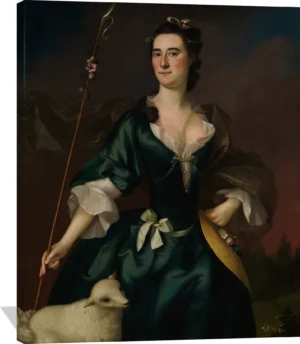
Feke’s style is distinguished by its balanced compositions, poised formality, and luminous color harmonies. His portraits often feature sitters rendered with calm dignity, characterized by controlled modeling, refined contours, and a focus on truthful likeness. Influences from British and European portrait traditions can be seen in his work, yet he adapted these elements into a distinctly American visual language.
Subjects and Themes
Specializing almost exclusively in portraiture, Feke depicted members of the colonial elite, including merchants, clergy, and prominent families. His subjects are frequently shown in elegant attire and composed poses, reflecting the aspirations and social stature of the growing colonial society. Many of his works, such as the celebrated Isaac Royall and Family, demonstrate his talent for capturing both individual character and the broader cultural identity of the era.
Historical Significance
Feke is widely regarded as one of the first American‑born painters to establish a professional career in the colonies, helping elevate portraiture from a craft to a respected artistic discipline. His work served as a foundation for later generations of American artists and contributed to the visual documentation of a transformative period in American history.
Today, Robert Feke’s legacy endures through his influential role in early American art and his ability to convey the presence and personality of his sitters with clarity and subtle elegance. His portraits remain admired for their distinctive restraint and elevated craftsmanship, hallmarks that continue to define his place in American artistic heritage.