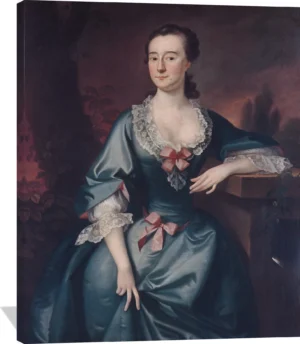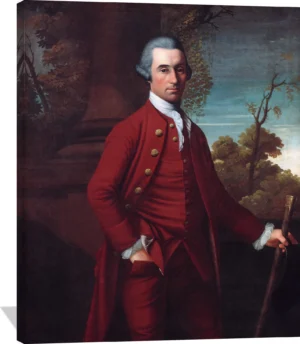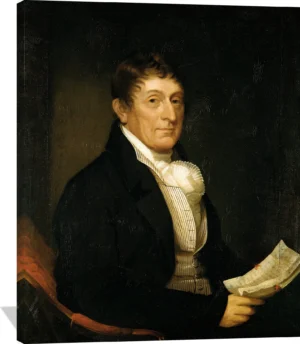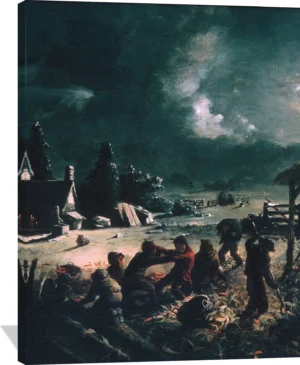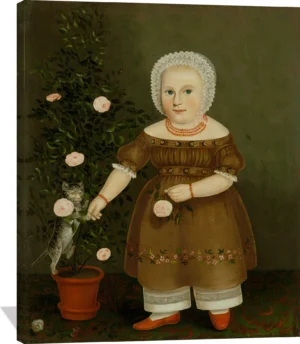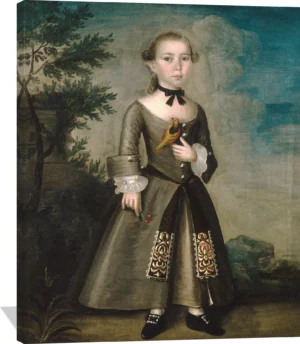
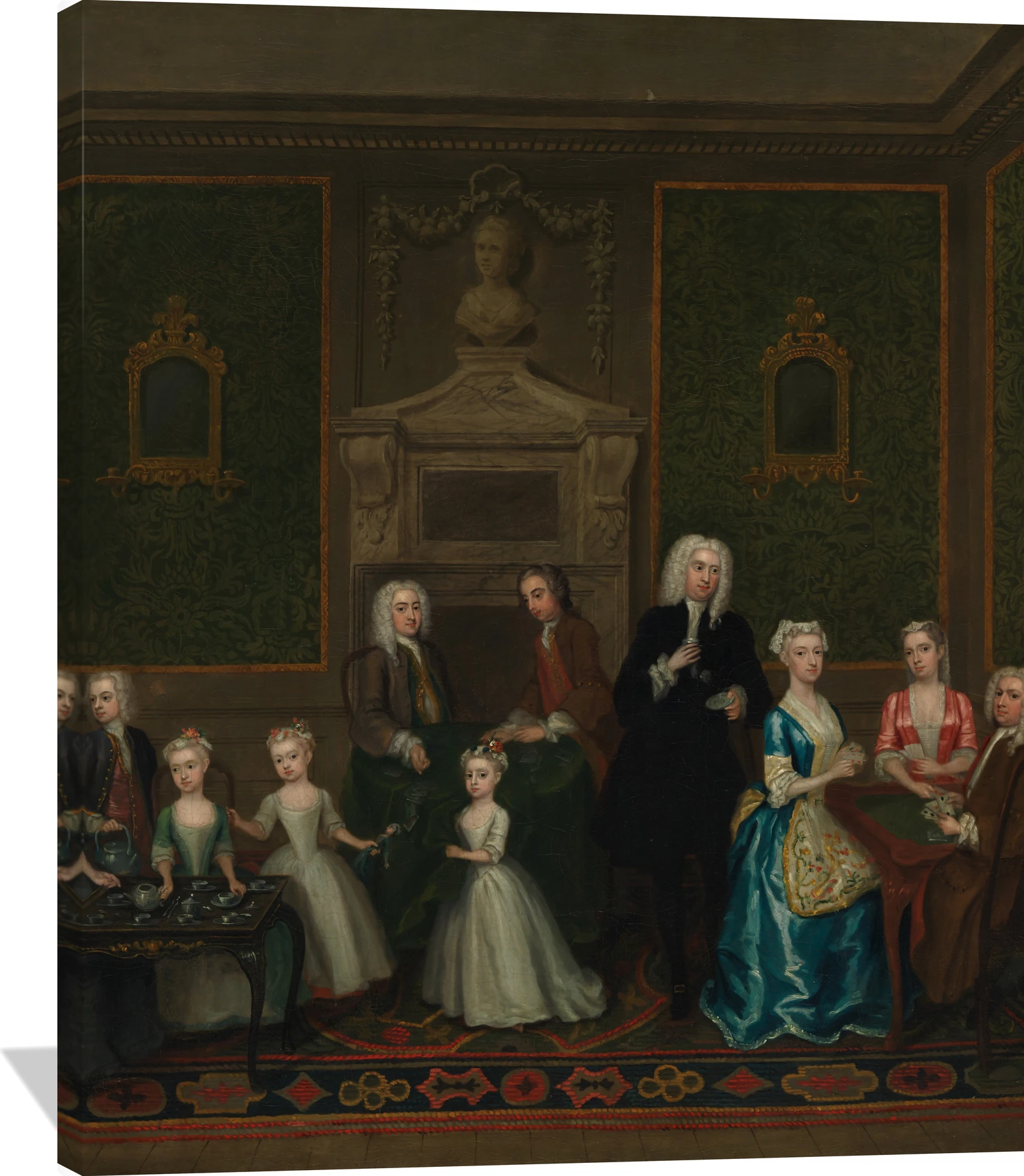
The Charles Philips The Strong Family canvas captures the elegance and intimacy of 18th‑century British domestic life. Set within a richly detailed interior, the composition features a distinguished family gathered in refined harmony, their attire rendered in deep greens, warm browns, and soft ivory tones accented by sapphire blue. The artist’s balanced composition and delicate lighting evoke both dignity and warmth, making this canvas print a timeless statement piece.
Perfect for a living room, study, or entryway, this exquisite wall art brings a touch of heritage and sophistication to any space. The The Strong Family canvas print honors tradition while complementing modern interiors with its graceful presence.
Charles Philips (1703–1747) was a British painter active in London, known for his refined portraiture and carefully composed group scenes that captured the elegance and social aspirations of early Georgian society.
Artistic Style
Philips was celebrated for his polished, graceful approach to portraiture. His paintings often reveal a subtle mastery of color, gentle contrasts, and a poised, balanced arrangement of figures. He favored a harmonious palette and smooth brushwork that enhanced the genteel character of his subjects, contributing to the emerging sophistication of British art in the first half of the eighteenth century.
Subjects and Techniques
Specializing in portraits of aristocrats, actors, musicians, and fashionable Londoners, Philips had a particular talent for depicting groups engaged in music, conversation, or leisurely pursuits. These works often feature elegant interiors, fine costumes, and symbolic details that highlight status or cultural refinement. His ability to render textiles, instruments, and expressive yet restrained gestures gave his compositions a distinctive charm associated with the Georgian elite.
Notable Contributions
Philips helped popularize the conversation piece in Britain, an intimate style of portraiture showing sitters interactively posed rather than formally arranged. This subtle shift toward informality marked an important development in British visual culture. While contemporaries such as William Hogarth would later expand the genre, Philips’s contributions offered an early and influential model for portraying social identity through relaxed group dynamics.
Cultural Significance
Active during a period of growing artistic ambition in London, Philips participated in shaping a visual language that reflected Britain’s rising confidence and cosmopolitan tastes. His portraits are valued today for their insight into eighteenth‑century fashion, music, and domestic life, as well as for their cultivation of the conversation piece as a hallmark of British painting. Works such as his ensemble portraits and refined likenesses continue to be appreciated for their historical resonance and graceful execution.