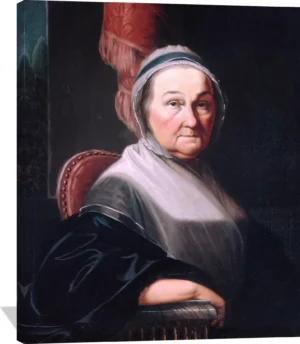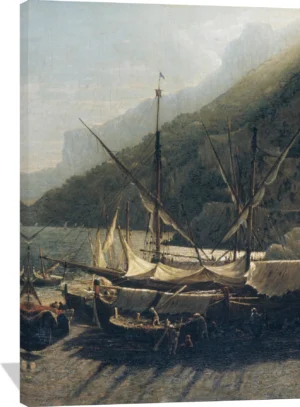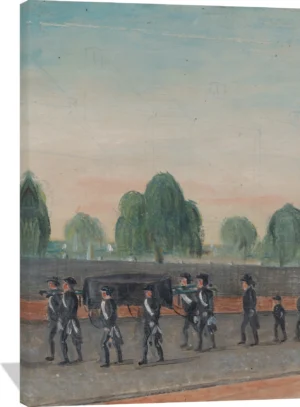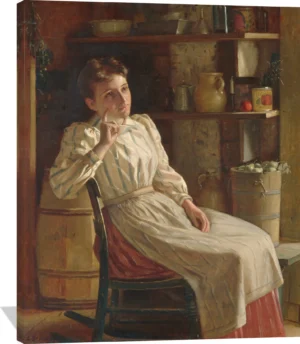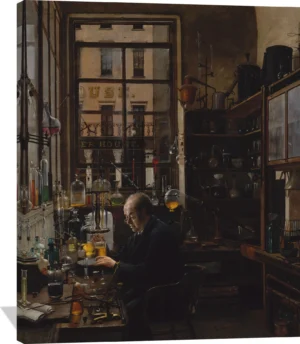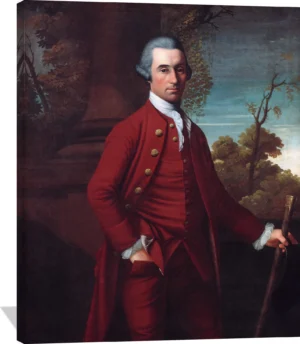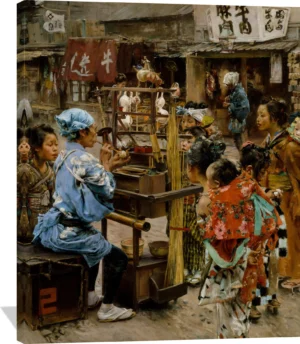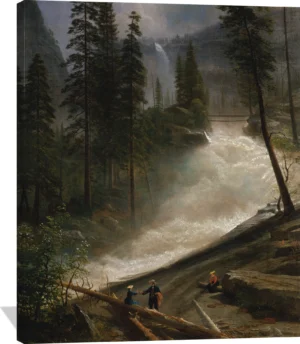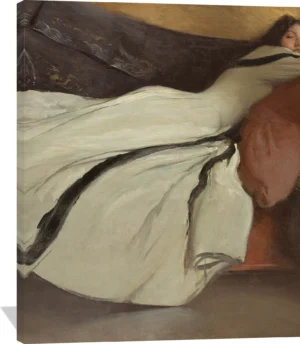
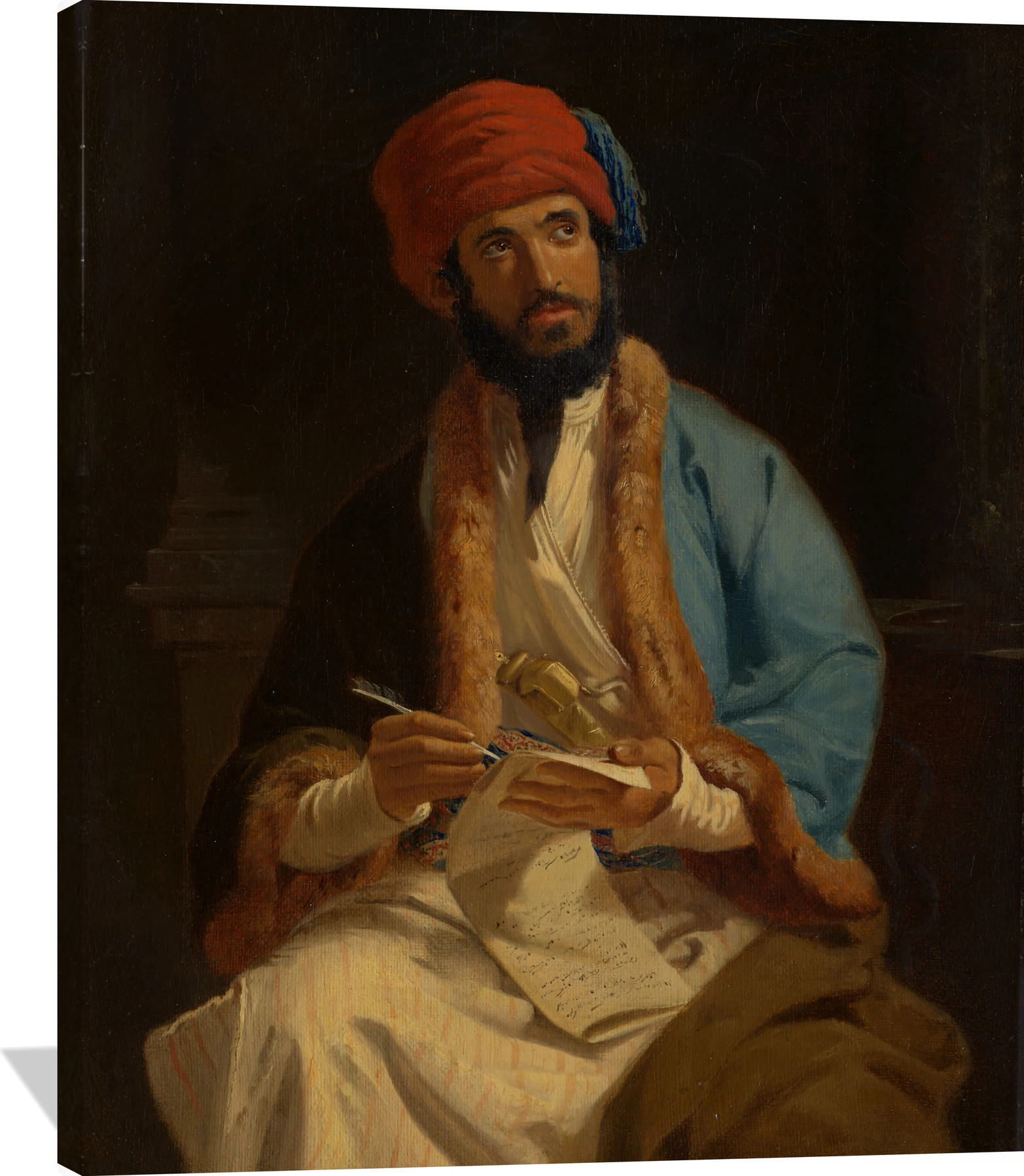
The German Painter The Arab Sage canvas captures the quiet dignity of contemplation through rich, earthy tones of brown, cream, and gold, accented by the striking red and blue of the subject’s robe and turban. The 19th-century work evokes a timeless sense of wisdom and introspection, rendered in a classical, realist style that draws the eye to the sitter’s thoughtful gaze and poised hand.
This elegant wall art brings depth and refinement to any living room, study, or entryway. A premium The Arab Sage canvas print adds a touch of historical sophistication and serene focus to modern interiors, inviting reflection and calm wherever it is displayed.
German Painter is an anonymous artist active circa 1775–80, a period marked by the transition from late Baroque sensibilities to the emerging clarity of Neoclassicism. Although the artist’s name has not been preserved, the surviving works associated with this hand reveal a refined command of composition and a sensitivity to the stylistic currents shaping German art in the late eighteenth century.
Artistic Style
This painter’s style reflects the elegant restraint characteristic of the era, merging lingering Rococo softness with the growing preference for structured form and measured detail. The artist often employed balanced spatial arrangements, gentle modeling of light, and a palette that emphasized naturalistic tones without excess ornamentation. These qualities embody the shift toward a more disciplined visual language that would define the ensuing Neoclassical movement.
Subjects and Themes
Works attributed to this German Painter frequently center on themes of daily life, portraiture, and regional landscapes. Figures are rendered with attention to posture and expression, evoking a quiet dignity that resonates with the period’s cultural ideals. Landscapes, when present, are treated as harmonious settings rather than dramatic backdrops, reinforcing the artist’s preference for subtlety and measured atmosphere.
Historical and Cultural Significance
Although the artist’s identity remains unknown, paintings from this circle offer valuable insight into German artistic production at a moment of stylistic transformation. They reflect the broader cultural exchange unfolding across Europe, where renewed interest in classical form began to temper earlier decorative traditions. Works from this period also contribute to our understanding of regional craftsmanship, revealing how anonymous yet skilled creators helped shape the visual character of their time.
Today, the art attributed to this German Painter stands as a testament to the enduring appeal of clarity, balance, and refinement, qualities that continue to resonate with collectors seeking pieces that embody the quiet confidence of eighteenth‑century German artistry.