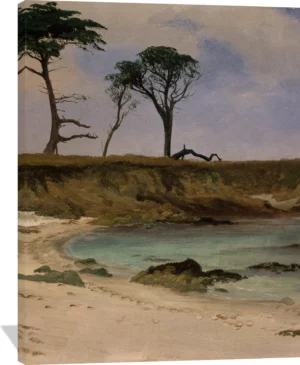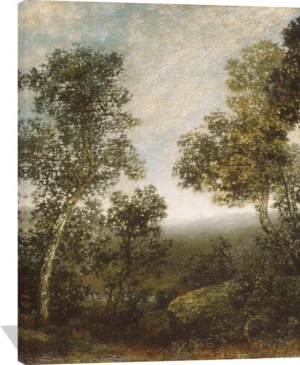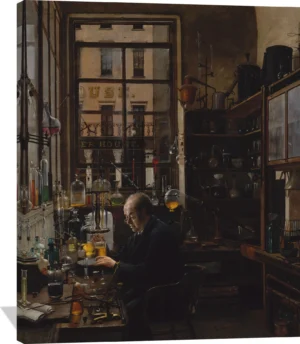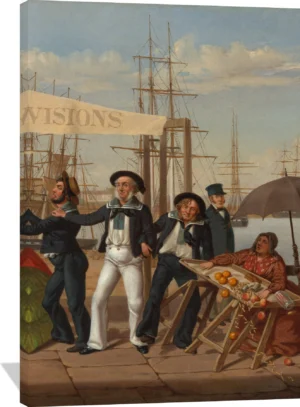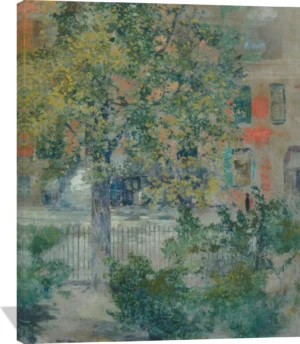
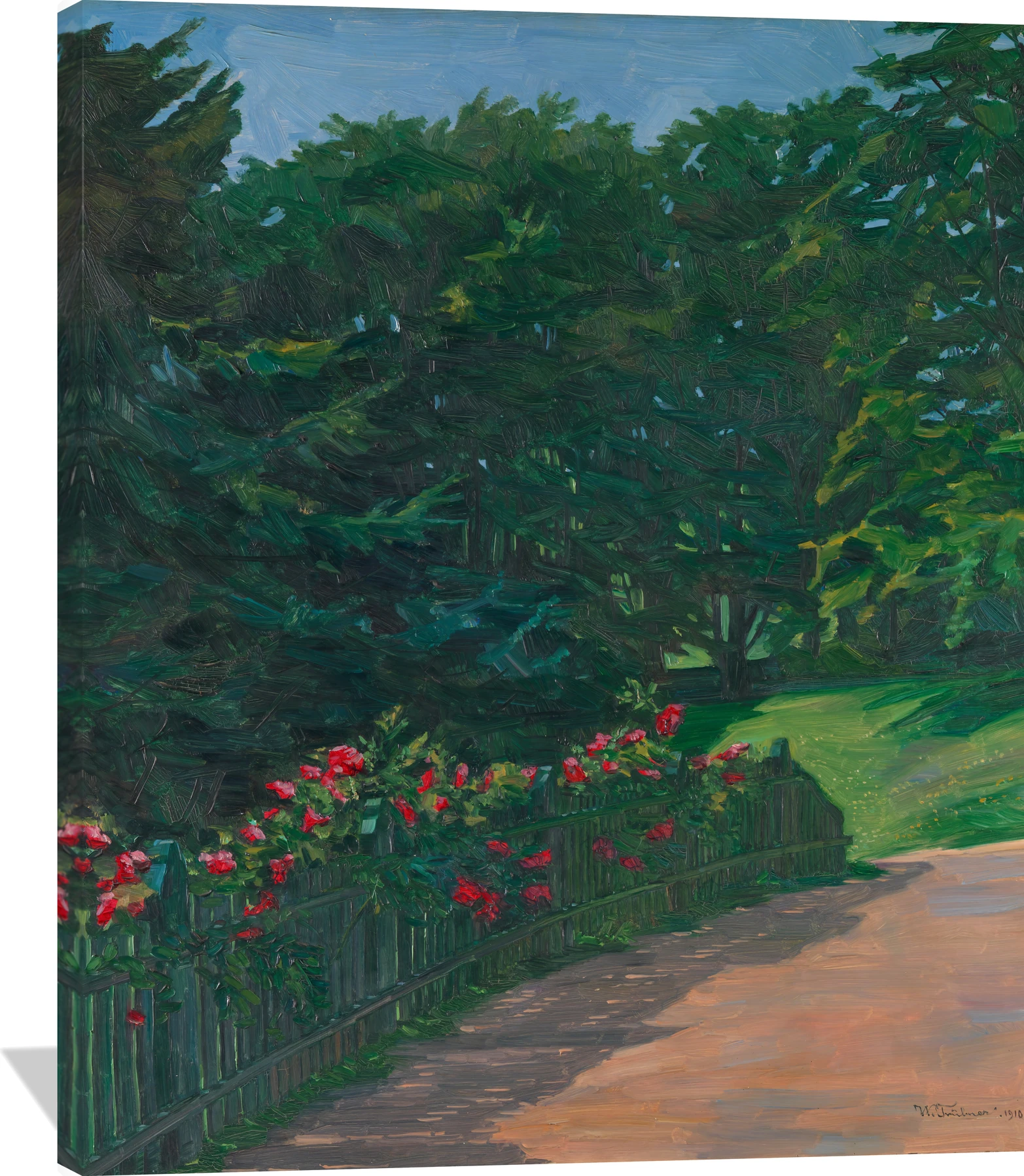
The Wilhelm Trübner Rose Hedge canvas captures a serene garden path bordered by blooming red roses and lush greenery under a tranquil blue sky. Trübner’s masterful brushwork and natural palette of deep greens, rose reds, and warm earth tones evoke a peaceful summer afternoon bathed in soft light.
This elegant wall art brings a touch of timeless European charm to any setting—perfect for a living room, study, or entryway. A beautifully balanced composition that invites calm reflection, this canvas print celebrates the quiet beauty of nature through the refined eye of the German painter Wilhelm Trübner (Heidelberg 1851–1917 Karlsruhe).
Wilhelm Trübner (1851–1917) was a German painter whose work bridged realism and the emerging modernist sensibilities of late nineteenth‑century Europe. Born in Heidelberg and later active in Karlsruhe, he developed a distinctive artistic voice shaped by rigorous academic training and a growing desire for expressive freedom.
Artistic Style and Approach
Trübner became known for a refined form of realism characterized by confident brushwork, balanced compositions, and an acute sensitivity to light. His palette often favored earthy, resonant tones, reflecting both the influence of the Munich art scene and his personal commitment to painterly integrity. A member of the circle associated with Wilhelm Leibl, he embraced an unembellished, direct approach to nature, emphasizing the inherent beauty of truthful observation.
Subjects and Themes
His oeuvre spans portraits, still lifes, landscapes, and interiors, frequently rendered with an understated yet compelling immediacy. Trübner’s portraits capture psychological presence without theatrics, while his still lifes sometimes featuring everyday objects highlight his belief in the intrinsic value of form and color. Works such as Still Life with Helmets and The Studio Corner exemplify his interest in the quiet drama of ordinary subjects.
Legacy and Significance
Throughout his career, Trübner played a notable role in shaping German art on the threshold of modernism. He later joined and influenced progressive artistic circles, advocating for aesthetic independence and painterly authenticity. His contributions helped pave the way for a broader embrace of individual expression in German painting. Today, Wilhelm Trübner is recognized for his masterful realism and for helping define a pivotal moment in Germany’s artistic evolution, where tradition and innovation began to intertwine.