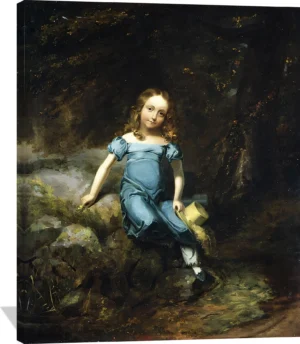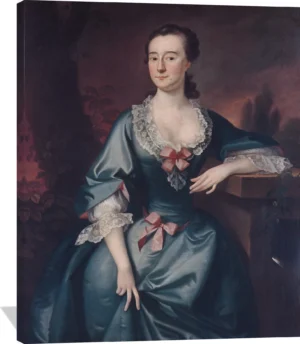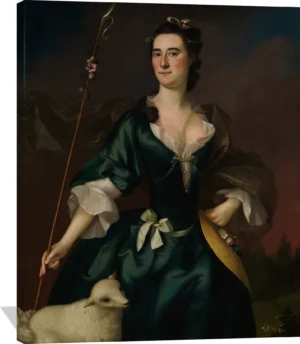
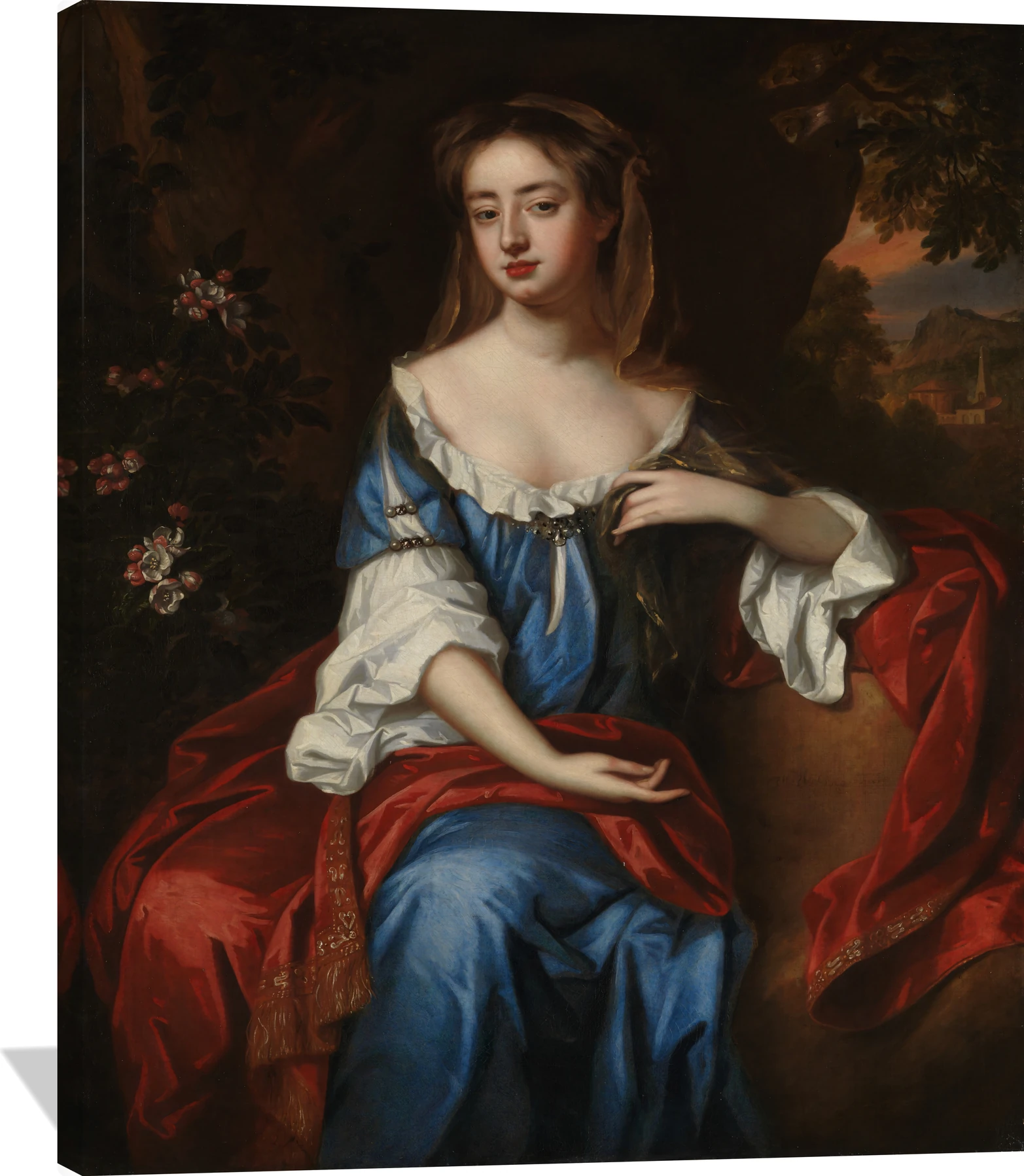
The Willem Wissing Portrait of a Woman canvas captures timeless elegance through rich tones of sapphire blue, crimson, ivory, and deep shadow. This refined wall art portrays a poised sitter bathed in soft light, her serene expression framed by lush foliage and a distant sunset—an exquisite example of 17th-century Dutch portraiture.
Perfect for a living room, study, or entryway, this premium canvas print brings a sense of grace and quiet sophistication to any space. The Portrait of a Woman canvas print celebrates Wissing’s mastery of texture and light, making it a captivating focal point for classic and contemporary interiors alike.
Willem Wissing (1656–1687) was a Dutch portraitist from Amsterdam or The Hague whose brief but influential career left a distinct mark on late seventeenth‑century European painting. Celebrated for his refined technique and elegant portrayal of aristocratic sitters, he became one of the period’s most sought‑after artists, particularly within English court circles.
Artistic Style
Wissing’s work is recognized for its graceful synthesis of Dutch realism with the polished grandeur favored in Restoration England. His portraits often feature luminous flesh tones, subtle atmospheric modeling, and a heightened sense of poise that set his paintings apart. The gentle diffusion of light across his figures became a hallmark of his approach, reinforcing the sophistication of his sitters while maintaining a naturalistic presence. This distinctive blend of realism and courtly refinement remains one of his most enduring contributions.
Subjects and Themes
Specializing in portraiture, Wissing depicted members of the English and Dutch nobility, portraying them with an understated dignity that appealed to aristocratic patrons. His subjects are frequently shown in three‑quarter poses, framed by soft drapery or classical architectural elements. Though he adhered to the conventions of court portraiture, he infused his compositions with a sense of immediacy and personal warmth that continues to resonate.
Notable Contributions
During his time in England, Wissing became a favored portraitist of high‑ranking patrons, and his reputation grew swiftly until his untimely death in Stamford in 1687. He is often associated with the continuation of the van Dyck‑influenced tradition that dominated British portraiture, helping to shape its direction for the next generation. His collaborative work in prominent studios and his influence on younger artists further cemented his position within the era’s artistic landscape.
Cultural Significance
Wissing’s paintings offer a compelling window into the visual culture of late‑seventeenth‑century Europe, reflecting shifting ideals of elegance, power, and identity. His ability to balance Dutch naturalism with the theatrical grace valued by English patrons made him a key figure in the artistic exchange between the two regions. Though his career was cut short, his portraits remain admired for their refinement, technical assurance, and quiet emotional resonance a testament to his talent and the enduring appeal of his artistic vision.