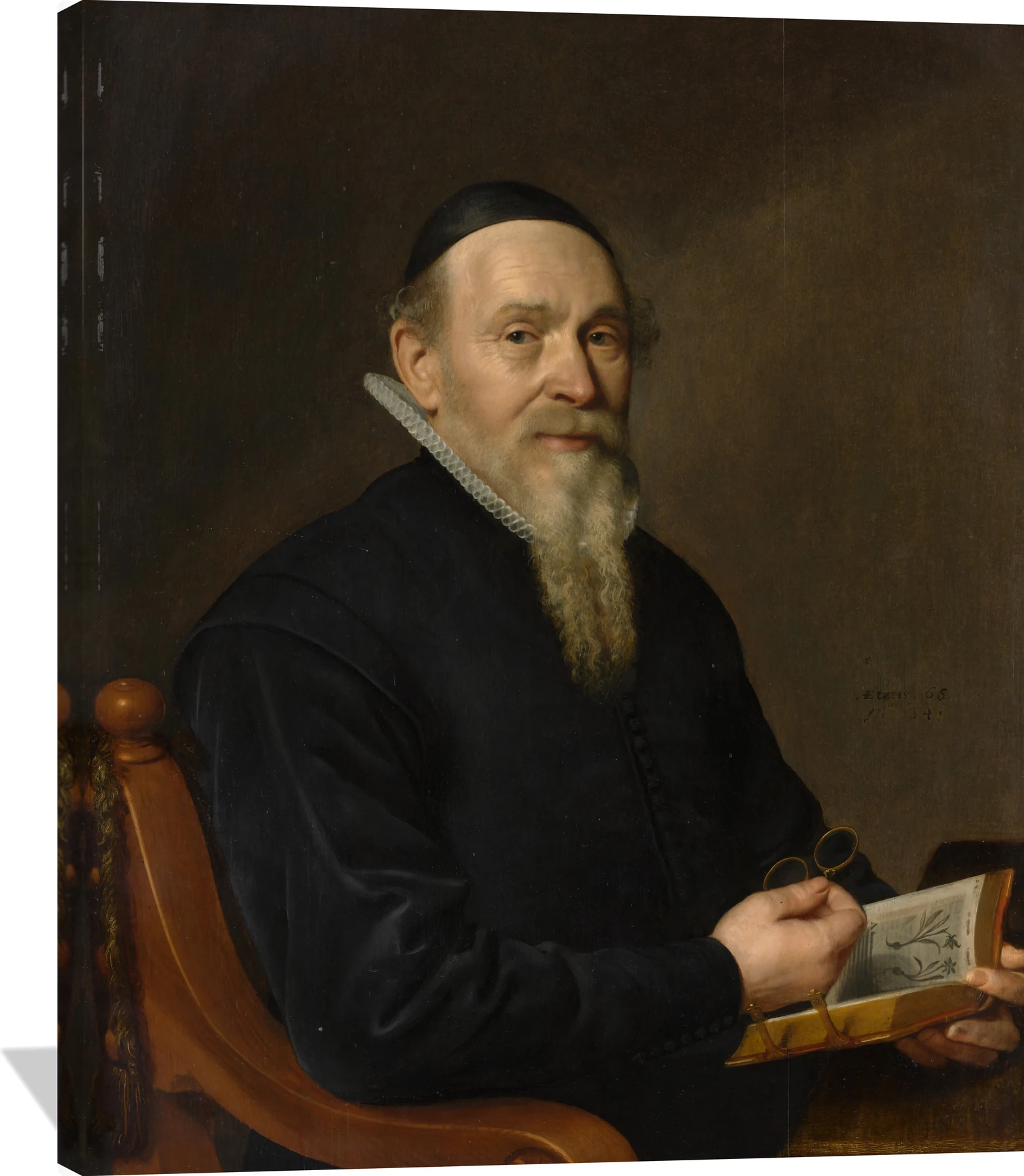
David Bailly (1584–1657) was a Dutch Golden Age painter from Leiden, celebrated for his meticulous still lifes and evocative portraiture. Trained within Leiden’s rich artistic culture and influenced by the precision of Northern European technique, Bailly developed a refined visual language that blended realism with symbolic depth.
Artistic Style and Subjects
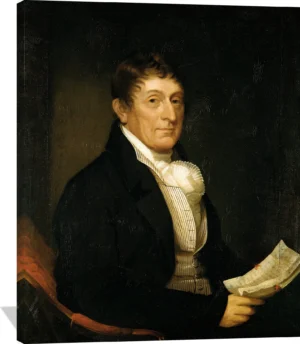
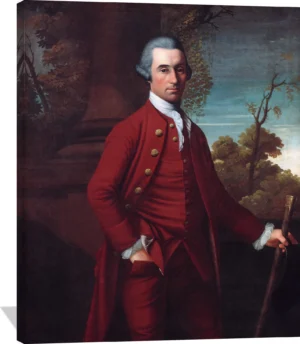
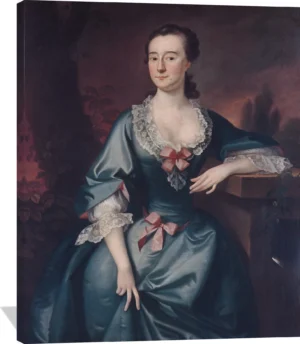
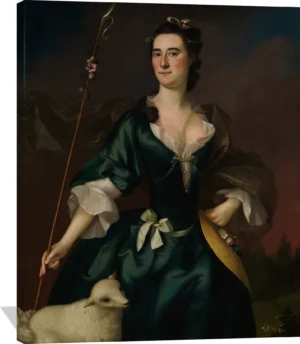
Bailly is best known for his elegant vanitas still lifes, where delicate objects such as skulls, extinguished candles, hourglasses, pearls, and manuscripts merge into quiet meditations on time and mortality. His portraits often share this reflective mood, portraying sitters with an intimate clarity while incorporating subtle allegorical elements. His palette, characterized by cool harmonies and careful modulation of light, underscores the contemplative nature of his compositions.
Notable Contributions
Bailly played a formative role in shaping the Leiden fijnschilder tradition, a movement distinguished by its extraordinary attention to detail and highly polished surfaces. His ability to balance realism with symbolism made him a sought-after portraitist, while his vanitas works remain among the most recognized examples of the genre. Through his teaching and influence, he contributed to the city’s rise as a center of refined, small-scale painting.
Cultural and Historical Significance
Active during a period of flourishing Dutch prosperity and intellectual curiosity, Bailly’s art reflects the era’s fascination with both material beauty and philosophical introspection. His compositions invite viewers to contemplate life’s transience, a theme that resonates across centuries. Today, David Bailly is remembered as a master of thoughtful, precisely rendered still lifes and portraits, and as a key figure in the development of the Leiden fijnschilder aesthetic.