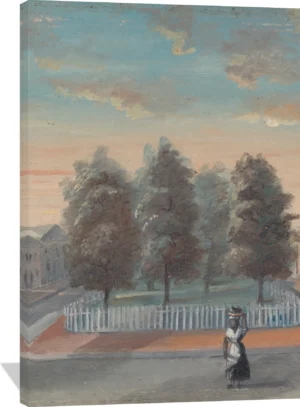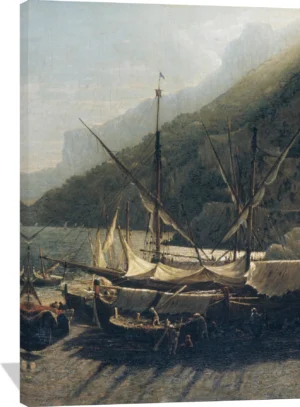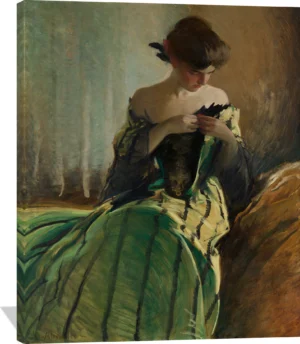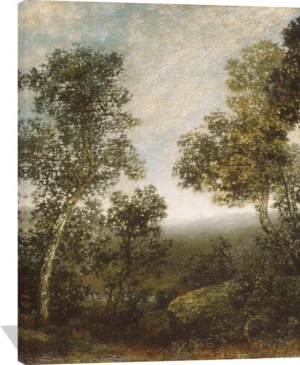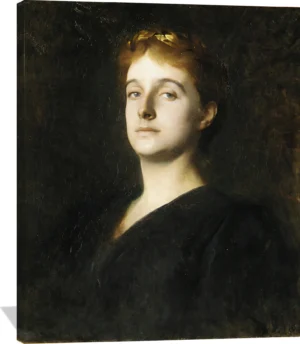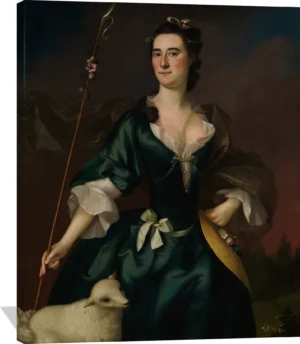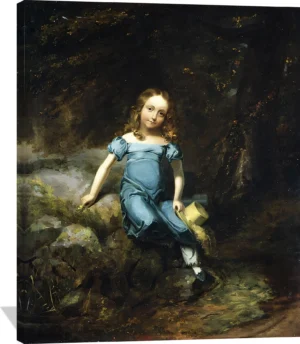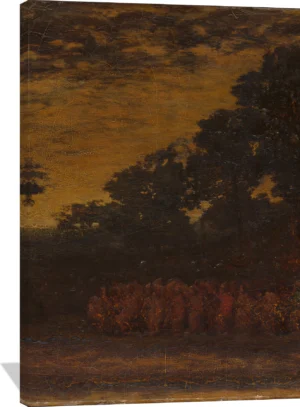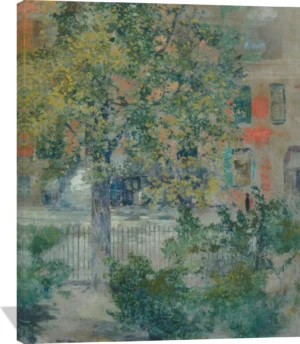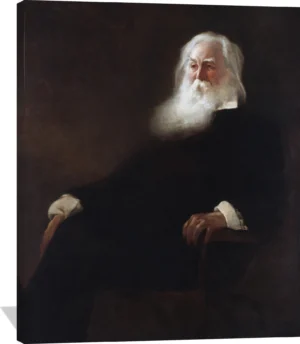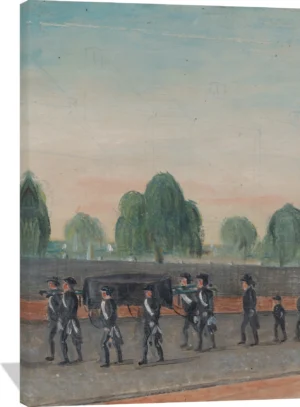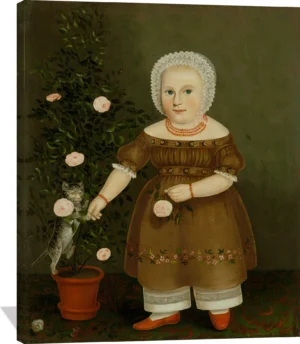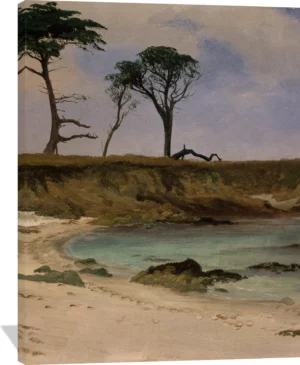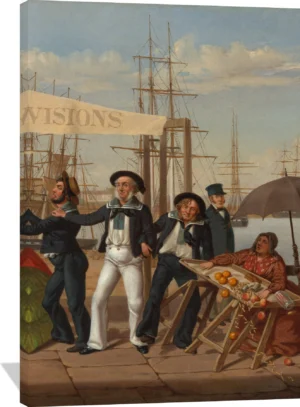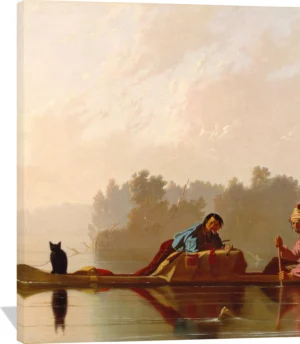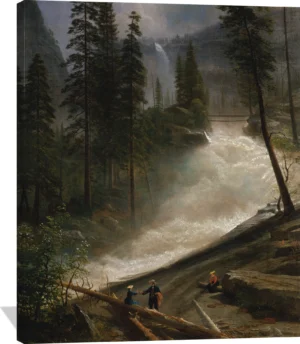
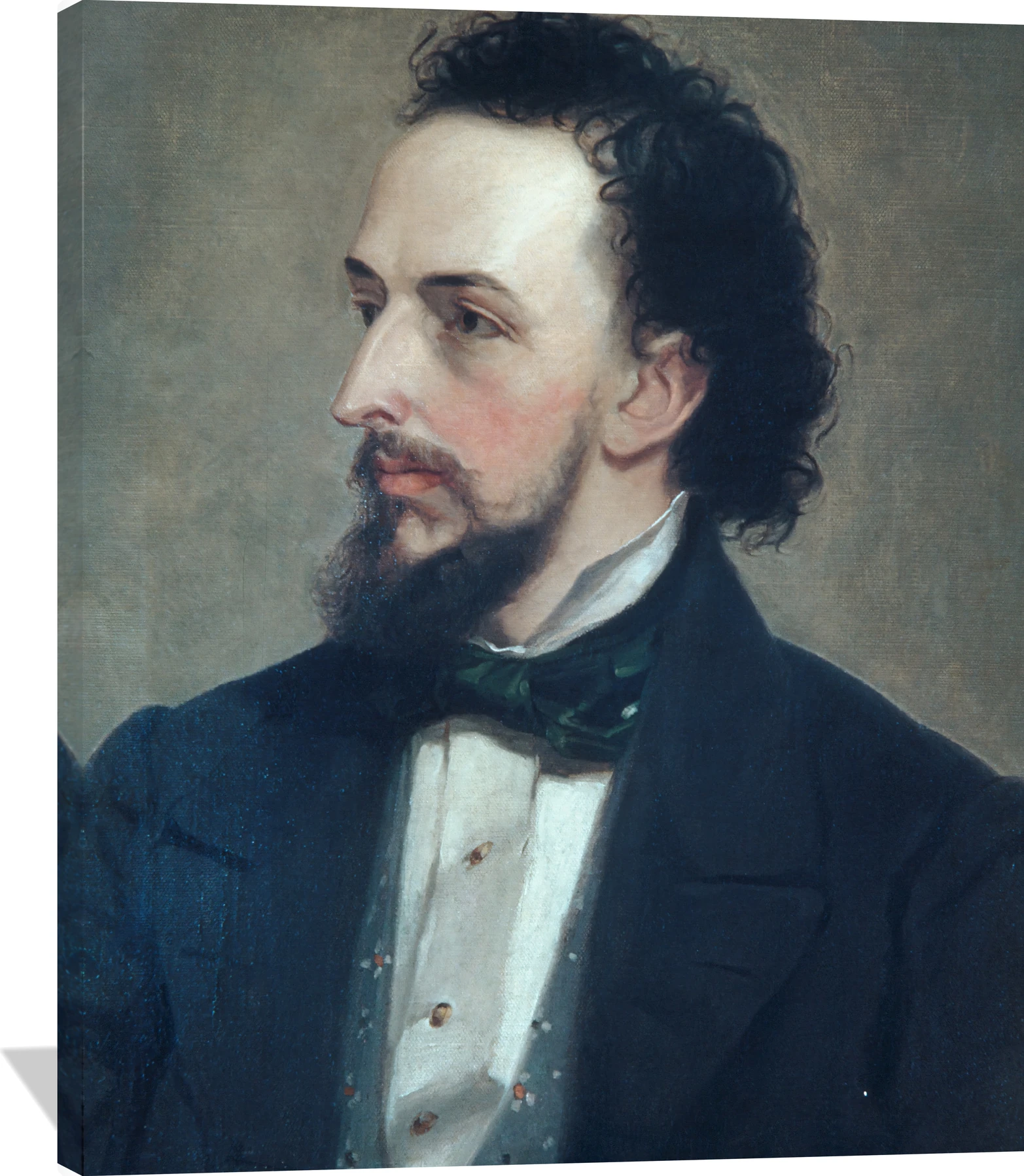
The Thomas Hicks Portrait of a Man canvas captures timeless refinement through soft, natural tones of charcoal, ivory, sage, and muted rose. Hicks’s masterful brushwork and delicate lighting reveal a poised figure turned in quiet contemplation, evoking the grace and intellect of 19th-century portraiture.
This premium canvas print brings understated sophistication to any space—ideal for a study, library, or living room. The balanced composition and subdued palette make this wall art a versatile statement piece that complements both classic and modern interiors.
Thomas Hicks (1823–1890) was an American painter whose refined realism and attentiveness to character made him a sought‑after figure in nineteenth‑century art. Born in Newton, Pennsylvania, and active across major artistic centers, he became known especially for portraiture and genre scenes that captured the cultural energy of his era.
Artistic Style
Hicks worked in a polished realist style marked by meticulous detail, clarity of form, and a sensitive rendering of mood. While aligned with the broader aesthetics of mid‑century American painting, his approach remained distinctly personal, prioritizing psychological insight and atmospheric subtlety. His brushwork is deliberate yet gentle, giving his portraits and interior scenes an intimate, almost contemplative quality.
Notable Contributions
Hicks gained national attention for his portraits, including a widely circulated likeness of Abraham Lincoln created during the 1860 presidential campaign. This work played a meaningful cultural role in shaping the public image of Lincoln at a pivotal moment in American history. Beyond political portraiture, Hicks painted numerous figures from public and artistic life, earning a reputation for capturing both physical likeness and inner character with exceptional fidelity.
Typical Subjects
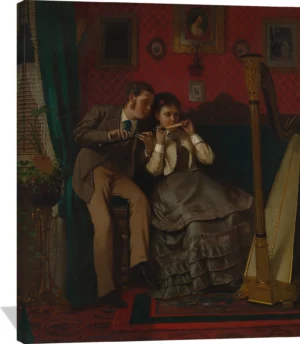
Although best known for portraiture, Hicks also created genre paintings depicting everyday American life. These works often reveal his interest in quiet domestic settings, artistic studios, and moments of thoughtful pause. Whether portraying a statesman or an anonymous sitter, he approached his subjects with the same commitment to nuance and subtle emotional resonance.
Cultural Significance
Hicks stands as a representative of a formative period in American art, when painters sought to define a uniquely national visual identity. His portraiture, in particular, serves as a valuable historical record of the individuals who shaped nineteenth‑century American society. Through his measured technique and rootedness in observation, he contributed to a growing appreciation for the power of realistic representation during a time of rapid cultural change.
Today, Thomas Hicks is remembered for the precision and quiet expressiveness that define his work qualities that continue to resonate with collectors and admirers of nineteenth‑century American painting.