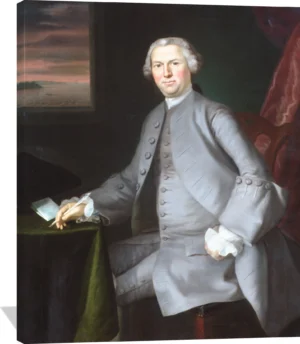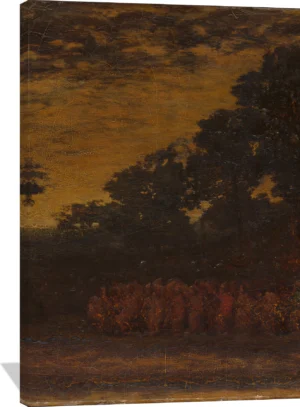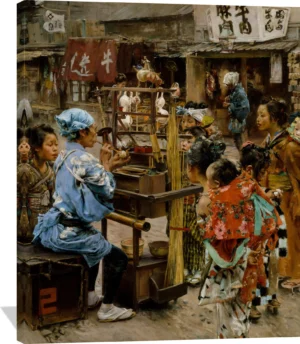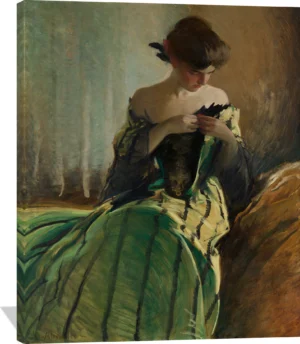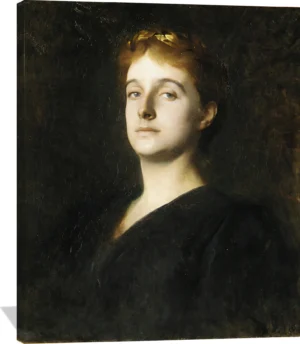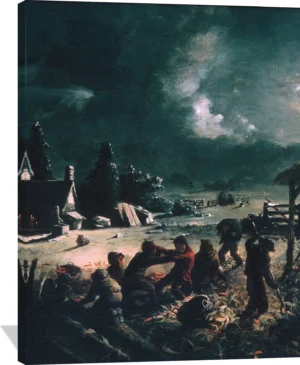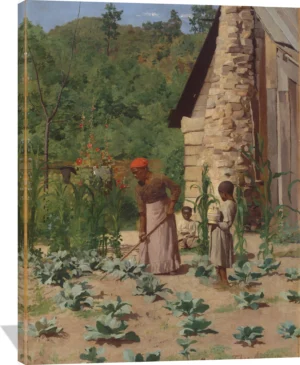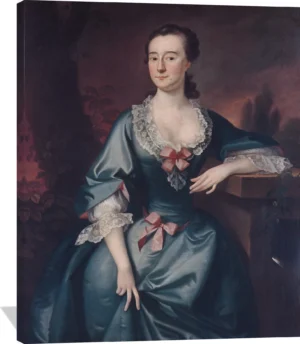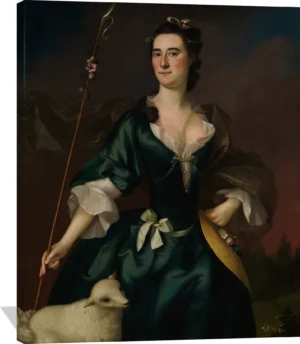
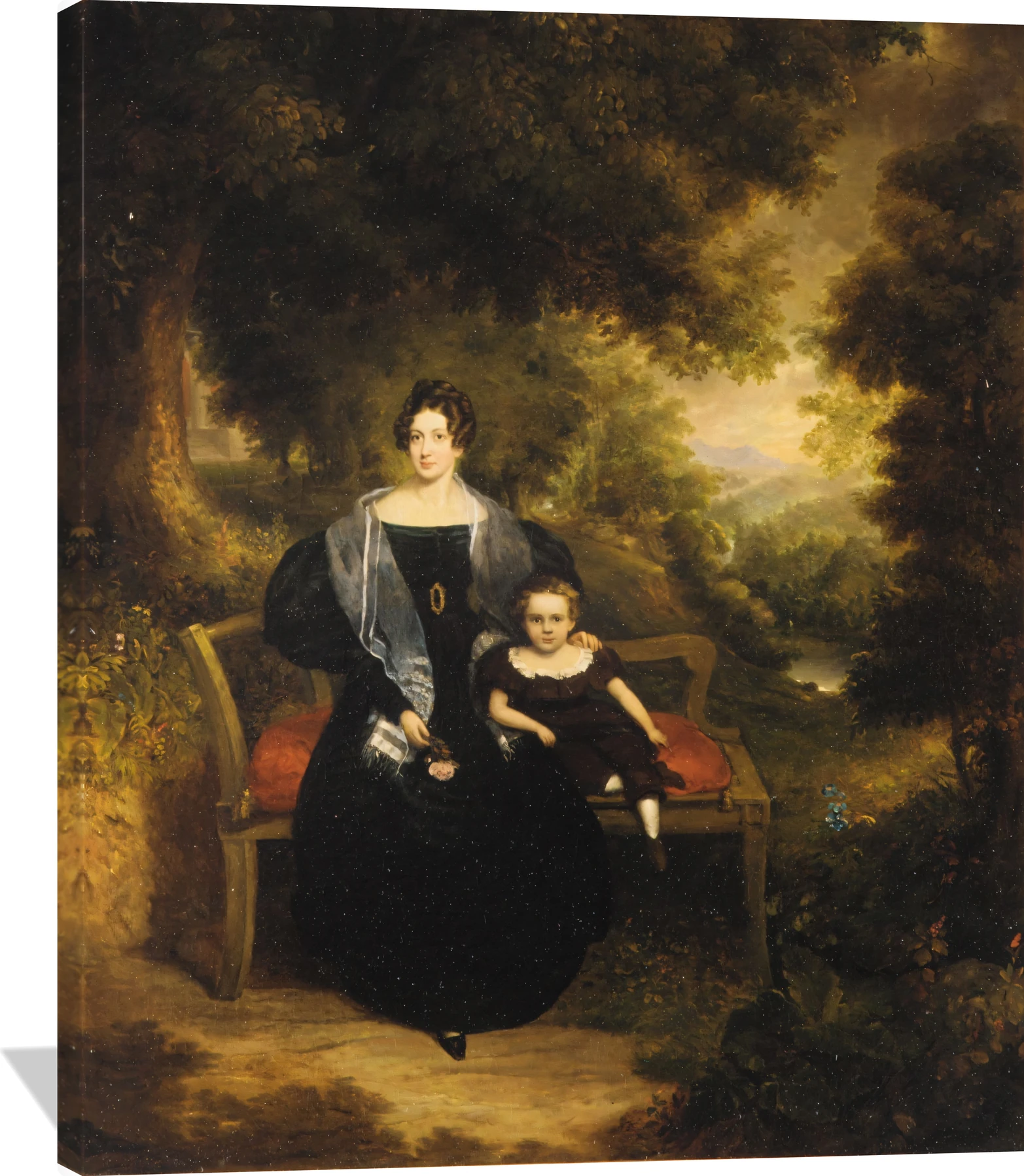
The George W. Twibill Jr. Portrait of a Lady and Child canvas captures a tender moment of maternal grace set against a lush, sunlit landscape. Rich tones of deep green, warm gold, and soft brown envelop the figures, creating a timeless harmony between elegance and nature. The artist’s refined brushwork and balanced composition evoke both intimacy and serenity.
This exquisite wall art brings a sense of classic refinement to any interior. Ideal for a living room, study, or entryway, this canvas print invites quiet reflection and adds a touch of 19th-century sophistication to your space.
George W. Twibill Jr. (1806–1836) was an American engraver whose meticulous craftsmanship helped define the visual language of early nineteenth‑century print culture. Working during a period when engraved images were essential to books, maps, and commercial documents, he developed a precise, disciplined style that balanced technical rigor with subtle artistic sensitivity.
Artistic Style
Twibill’s engravings are distinguished by their finely modulated line work, crisp detailing, and carefully structured compositions. His technique emphasized clarity and tonal control, allowing him to render portraits, architectural subjects, and ornamental designs with exceptional accuracy. The elegance of his line engraving contributed to the period’s growing appreciation for printed imagery as both functional and aesthetic.
Notable Contributions
Although his life was brief, Twibill produced a body of work that supported the expanding American publishing industry. His engravings appeared in books, periodicals, and printed ephemera, where his ability to translate visual information into reproducible form made him a valued collaborator for printers and publishers. Twibill’s work reflects the artisanal precision that characterized early American printmaking, a tradition that helped set the foundation for later advancements in illustration and graphic reproduction.
Subjects and Significance
Twibill frequently engraved portraits, historical scenes, and ornamental motifs, subjects that required an engraver capable of delivering both realism and refinement. His images documented cultural figures and everyday life in a rapidly developing nation, contributing to the visual identity of early American media. While he did not achieve the fame of later illustrators, his craftsmanship remains a testament to the importance of engravers in shaping how Americans encountered images before the advent of photography.
Today, Twibill’s surviving works are appreciated for their exceptional precision and their role in the evolution of American printmaking. His artistry offers insight into the technical skill and aesthetic values that defined an era of hand‑engraved imagery.