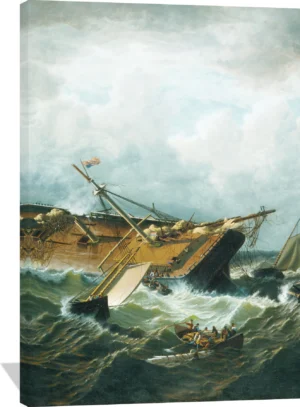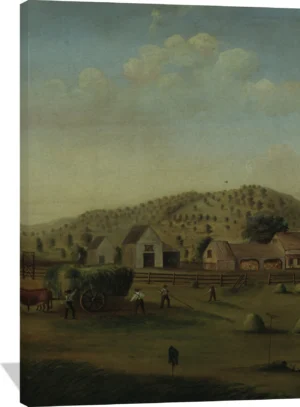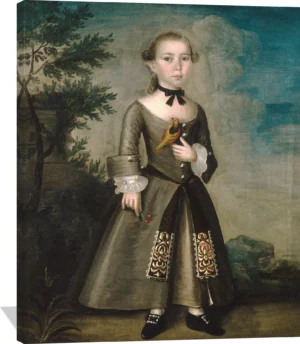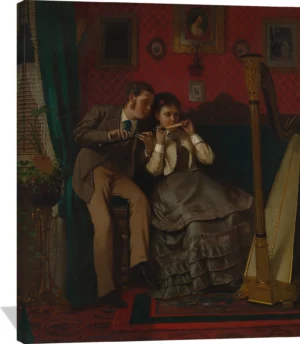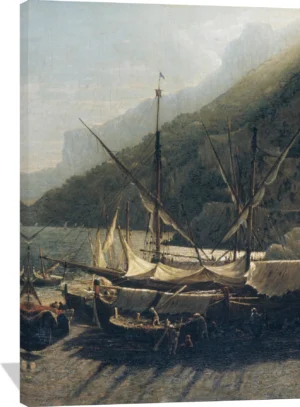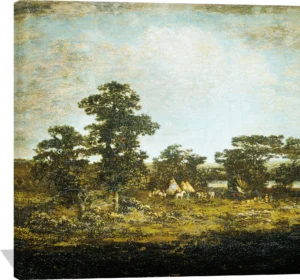
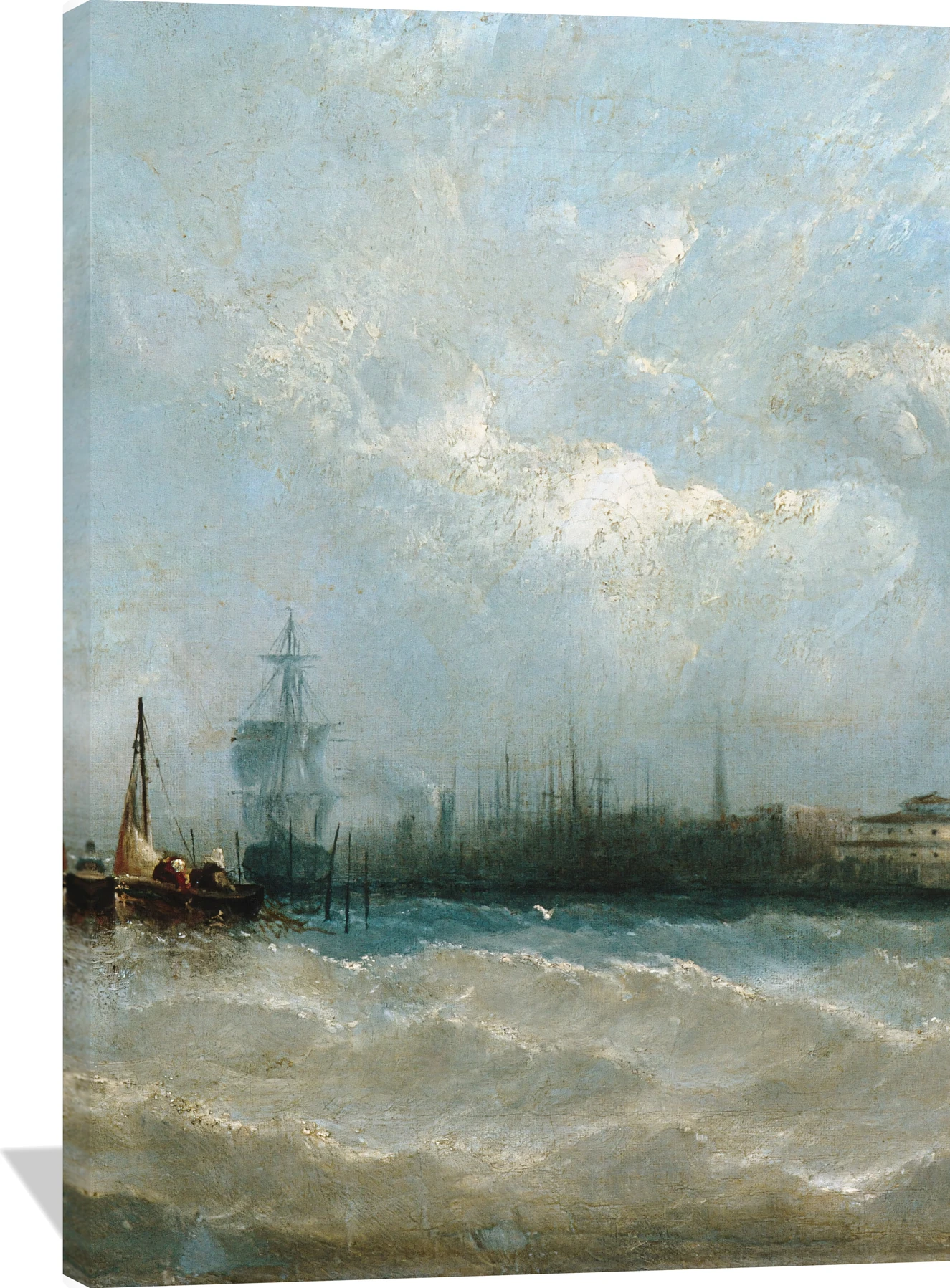
The Alfred Copestick New York from the Harbor Showing the Battery and Castle Garden canvas captures a serene maritime vista where soft blue skies meet the churning harbor waters. Gentle tones of misty gray, seafoam, and warm beige evoke the energy of 19th-century New York while maintaining a calm, atmospheric elegance. The distant skyline and sailing vessels add depth and timeless sophistication to any space.
This refined wall art brings a sense of history and tranquility to your decor. Perfect for a living room, study, or entryway, this canvas print invites quiet reflection and classic coastal charm into your home.
Alfred Copestick (ca. 1837–1859) was a 19th‑century architectural draftsman whose finely observed drawings offer a rare visual record of America’s rapidly modernizing urban landscape. Working during a transformative moment in the mid‑1800s, he developed a reputation for meticulous renderings that balanced technical precision with a quietly expressive sensibility.
Artistic Style
Copestick’s work is defined by crisp linework, measured proportions, and a disciplined clarity that reflects his training in architectural draftsmanship. His drawings often foregrounded structural details, capturing the interplay of light, shadow, and material with a careful hand. This blend of accuracy and subtle atmospheric nuance gives his images a distinctive presence, setting them apart from purely technical studies.
Subjects and Themes
He focused primarily on architectural views, street scenes, and significant public buildings. Many surviving works highlight emerging American cityscapes, documenting a period when civic architecture, industrial growth, and evolving urban identities were reshaping the environment. Copestick’s renderings serve not only as artistic statements but also as historical documents, preserving structures and streetscapes that were often altered or lost as cities expanded.
Legacy and Significance
Though his career was brief, Copestick’s contributions remain valued for their rare combination of aesthetic sensitivity and documentary precision. His drawings offer insight into 19th‑century architectural practices and the cultural ambitions of a nation in transition. Today, collectors and historians appreciate his work for its finely crafted detail and its ability to convey the character of a rapidly changing world, making his oeuvre a distinctive testament to early American architectural illustration.