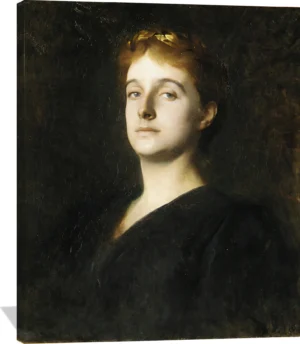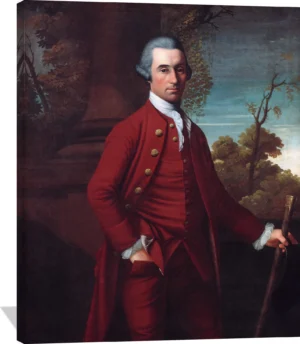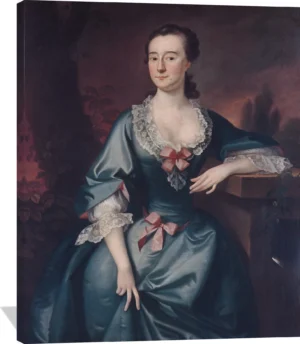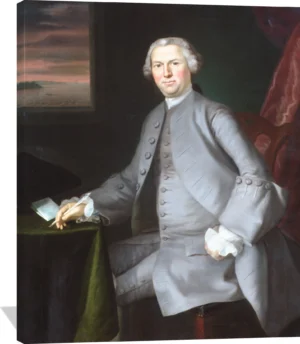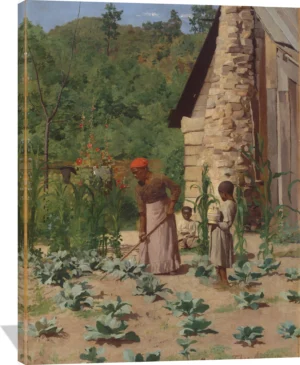
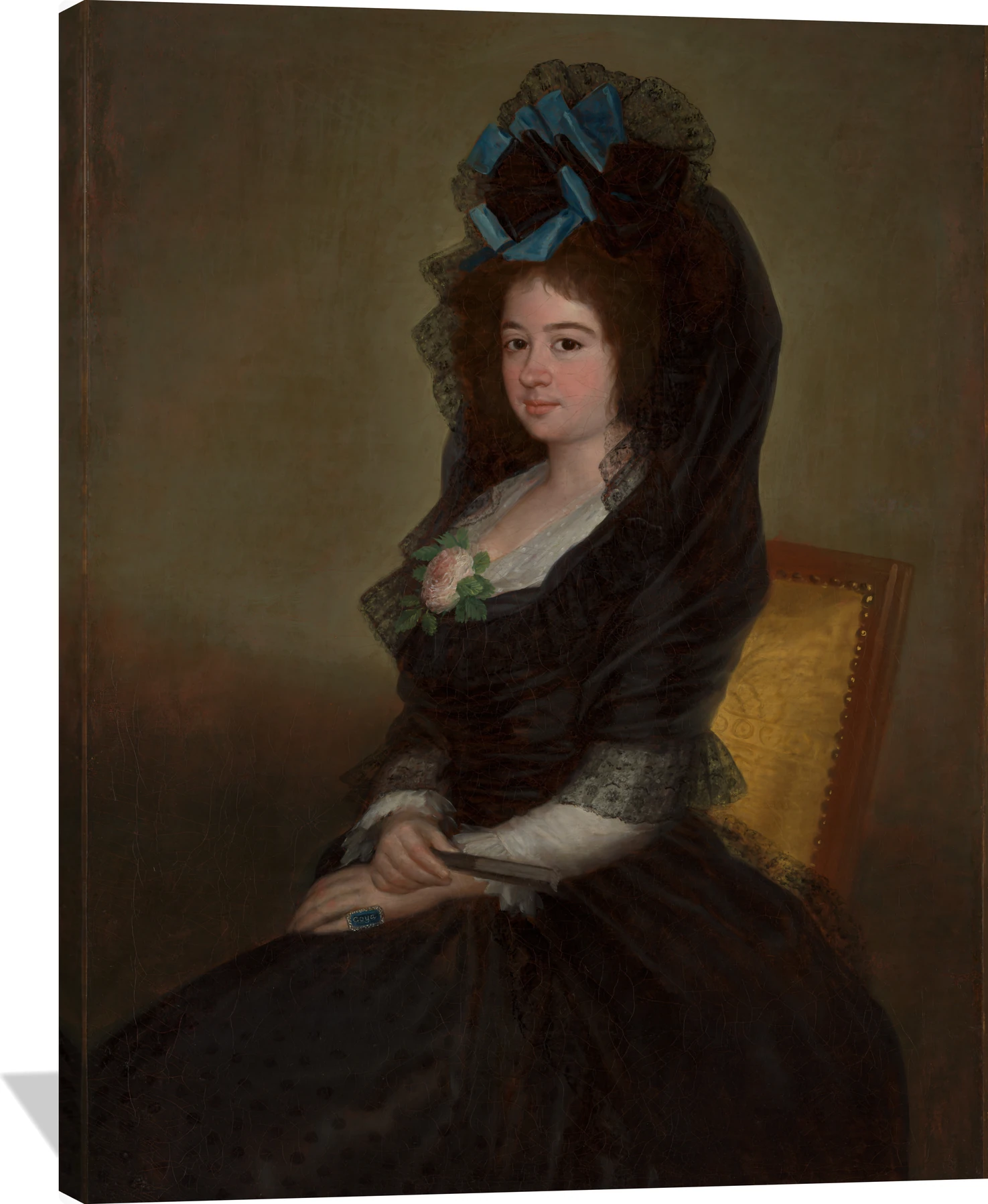
The Goya Narcisa Barañana de Goicoechea canvas captures the quiet elegance and refined poise of its sitter through Goya’s masterful use of light and shadow. Subtle olive and umber tones frame the subject’s delicate features, while accents of deep black, ivory, and soft blue lend the portrait a timeless sophistication. The artist’s brushwork evokes both intimacy and grace, making this piece a striking focal point for any art lover’s collection.
This exquisite canvas print brings 18th-century Spanish portraiture into a modern setting. Ideal for a living room, study, or entryway, it adds a touch of classical refinement and contemplative beauty to your space.
Francisco de Goya y Lucientes (1746–1828) was a Spanish painter and printmaker whose career spanned a transformative era in European art. Emerging from Fuendetodos and later working in Madrid and Bordeaux, he evolved from court painter to one of the most influential visual chroniclers of his time.
Artistic Style and Vision
Goya’s work bridges the worlds of tradition and modernity. His early paintings display the elegance of the Rococo and the technical precision expected of a royal portraitist. Over time, his style became increasingly expressive, marked by bold brushwork, dramatic contrasts, and a psychological depth that would shape the direction of later Romantic and modern art.
Subjects and Themes
Goya portrayed Spanish society with uncommon candor. His tapestry cartoons captured scenes of everyday life, while his celebrated royal portraits revealed both grandeur and humanity. As political turmoil intensified in Spain, his work shifted toward more personal and haunting imagery. Series such as Los Caprichos and The Disasters of War exposed the follies, superstitions, and brutalities of his age with unsparing clarity.
Legacy and Significance
Often called the father of modern art, Goya was a master observer of the human condition. His late works, especially the stark Black Paintings, push beyond conventional aesthetics into raw emotional territory, offering a profound reflection on war, power, and the inner psyche. These innovations secured his place as a bridge between the Old Masters and the modern sensibilities that followed.
Goya’s artistry remains compelling for its honesty, technical brilliance, and fearless exploration of both light and darkness. His legacy endures as a testament to the expressive potential of painting and the enduring impact of a singular, visionary voice in European art.