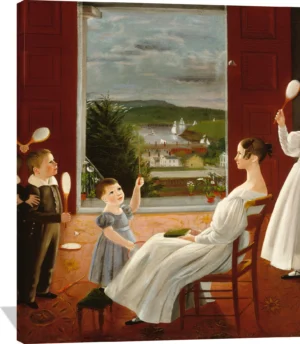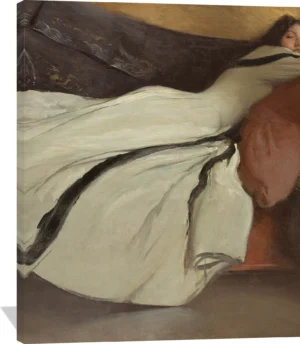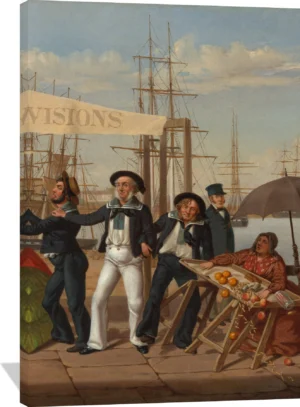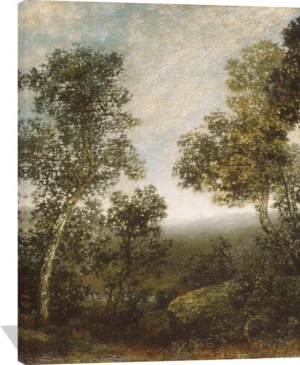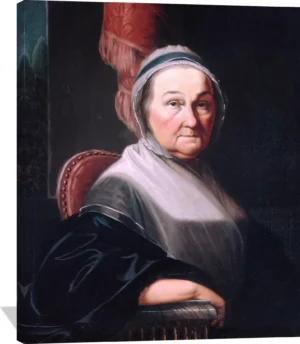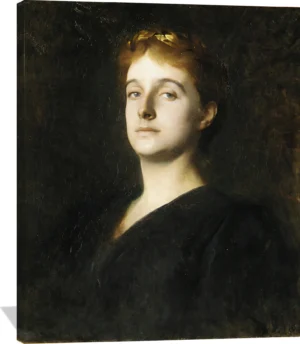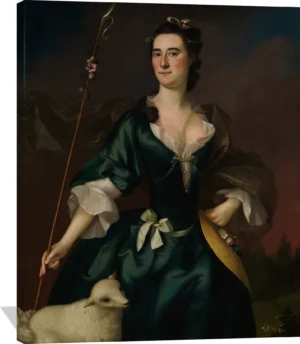
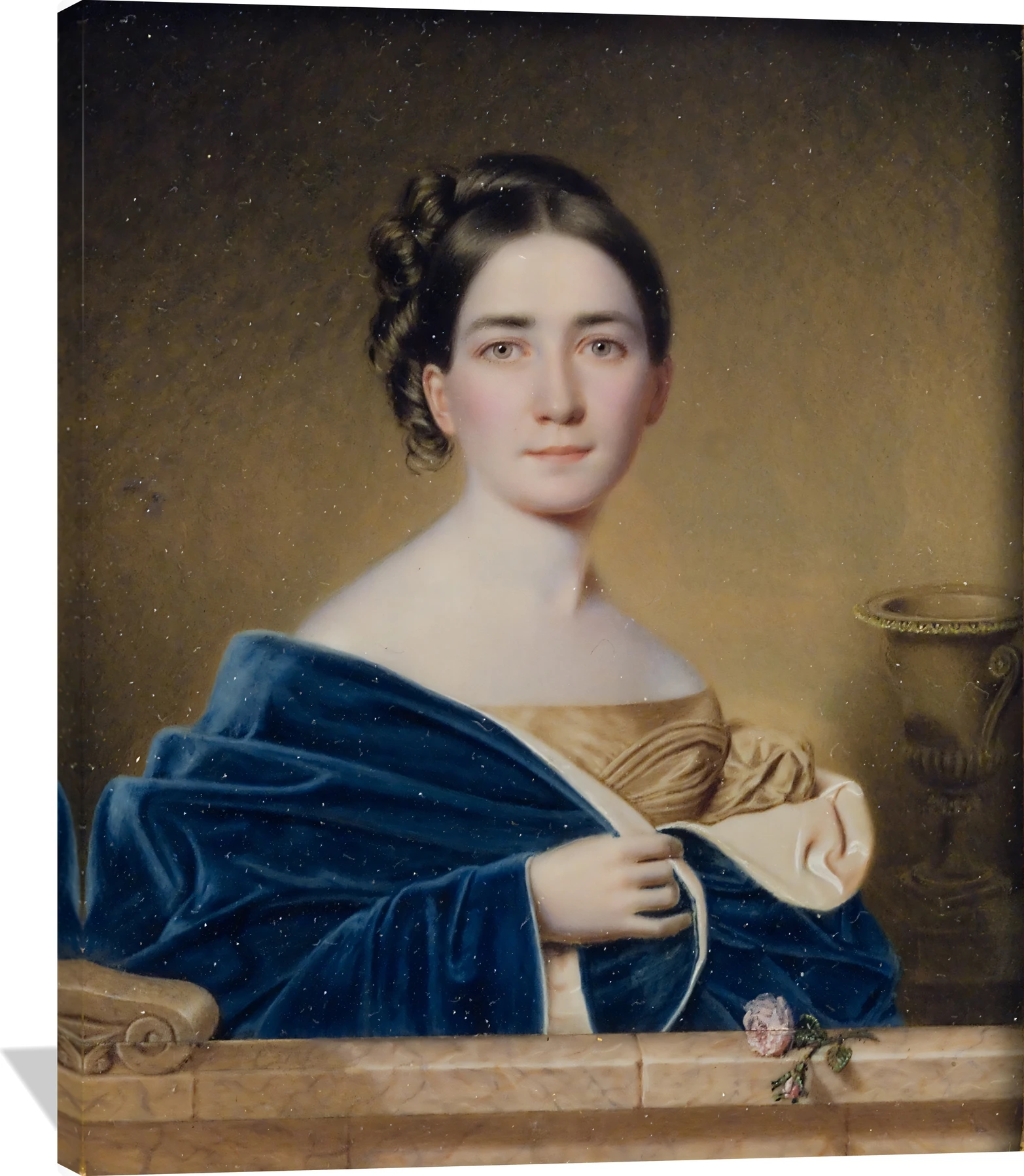
The John Wood Dodge Mrs. John Wood Dodge (Mary Louise Dodge) canvas captures timeless elegance through delicate brushwork and luminous tones. Soft gold, deep sapphire, ivory, and rose hues create a refined portrait that radiates grace and quiet confidence. The artist’s mastery of light and texture gives the subject a lifelike warmth, making this piece a stunning focal point in any classic or contemporary interior.
This exquisite wall art brings 19th-century sophistication to your living room, study, or entryway. A beautifully detailed Mrs. John Wood Dodge (Mary Louise Dodge) canvas print adds a touch of heritage and serenity, inviting admiration and conversation for years to come.
John Wood Dodge (1807–1893) was a distinguished American miniaturist whose refined portraiture captured the likeness and character of prominent nineteenth‑century figures. Trained in the traditions of academic draftsmanship, he became one of the most sought‑after painters of delicate portrait miniatures in the decades before photography transformed the field.
Artistic Style
Dodge’s work is celebrated for its meticulous precision, luminous color, and sensitive modeling of the human face. His mastery of fine brushwork on ivory surfaces allowed him to achieve remarkable clarity and lifelike detail, qualities that set his portraits apart from those of many contemporaries. This dedication to craftsmanship made his miniatures enduring examples of the era’s most elegant personal portraiture.
Subjects and Themes
Working primarily in the American Northeast and later in the South, Dodge portrayed statesmen, cultural figures, and members of prominent families. His compositions emphasize poise and psychological presence, rendering his sitters with subtle expression and refined realism. These intimate works offered patrons a lasting personal image long before photographic portraits became common.
Legacy and Significance
Dodge holds a notable place in American art history as one of the last widely recognized masters of miniature painting. His portraits document a changing society while preserving an art form that thrived in the early nineteenth century. Today, collectors value his pieces for their exceptional craftsmanship, historical resonance, and the artist’s unwavering commitment to precision and elegance in portraiture.