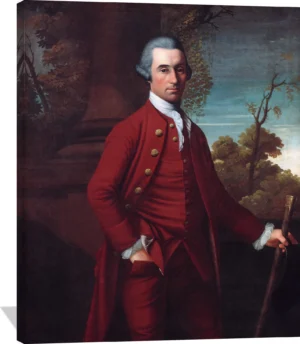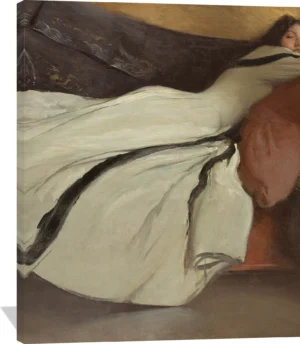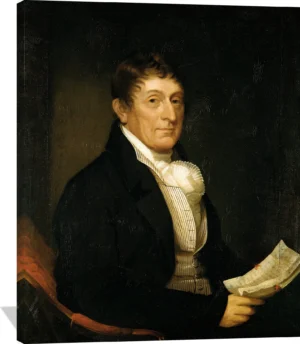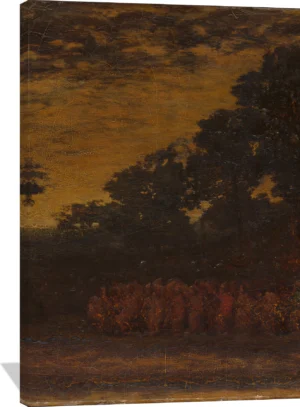
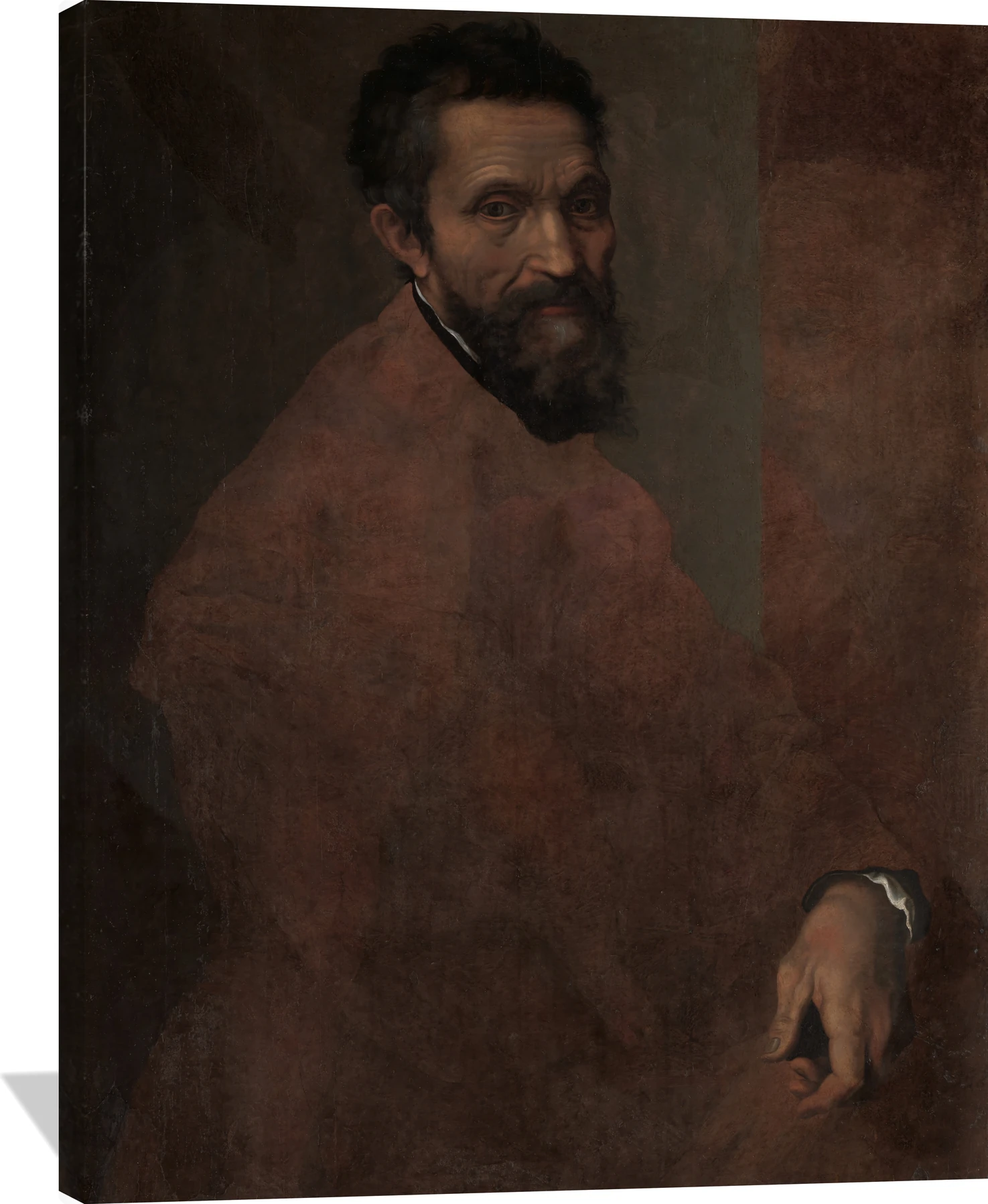
The Daniele da Volterra Michelangelo Buonarroti (1475–1564) canvas captures the quiet intensity of one Renaissance master portrayed by another. Warm umber and sienna tones envelop the sitter, while soft light reveals a face marked by wisdom and creative depth. The painter’s refined realism and subtle chiaroscuro lend the portrait a timeless, contemplative mood.
This museum-quality canvas print brings classical sophistication to modern interiors. Ideal for a study, library, or elegant living room, this wall art invites reflection and admiration—an enduring tribute to artistic genius and human expression.
Daniele da Volterra (1509–1566) was an Italian painter and sculptor whose career unfolded during the height of the Roman Renaissance. Closely associated with Michelangelo, he became known for translating the master’s dynamic vision into his own refined, Mannerist language. His work blends anatomical precision with a dramatic sense of movement, resulting in compositions that feel both monumental and intensely human.
Artistic Style and Influences
Volterra’s style is distinguished by sculptural clarity, controlled tension, and an expressive use of chiaroscuro. His close collaboration with Michelangelo profoundly shaped his approach, visible in his muscular figures and emotionally charged scenes. This influence situates him as a key interpreter of late Renaissance ideals, bridging the transition into Mannerism with elegance and discipline.
Notable Contributions
Among Volterra’s most celebrated works are his religious paintings, including Descent from the Cross, which showcases his ability to convey weight, gravity, and poignancy with exceptional technical command. In sculpture, his bronze portrait of Michelangelo remains a defining achievement, capturing the intensity and intellectual depth of his mentor. Although often remembered for his role in modestly covering nudes in the Sistine Chapel earning him the later nickname Il Braghettone his broader artistic legacy is far richer and more nuanced.
Cultural and Historical Significance
Active in Rome during a period of extraordinary artistic innovation, Volterra contributed to the city’s evolving visual culture with works that balanced reverence for classical ideals with the expressive ambitions of his time. His art reflects the intellectual energy of the Renaissance while offering a distinct voice marked by precision, dignity, and emotional resonance.