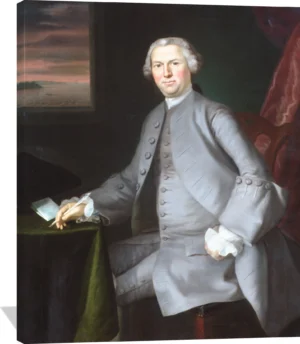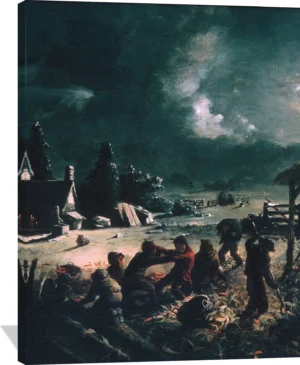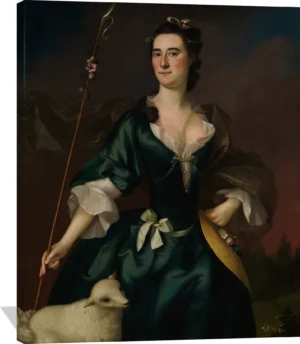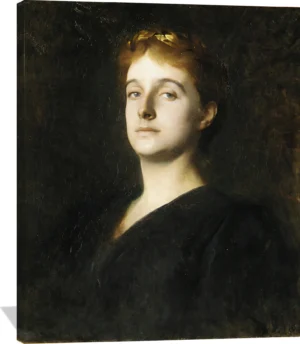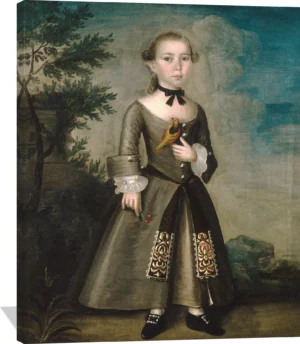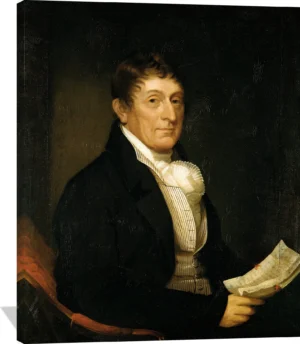
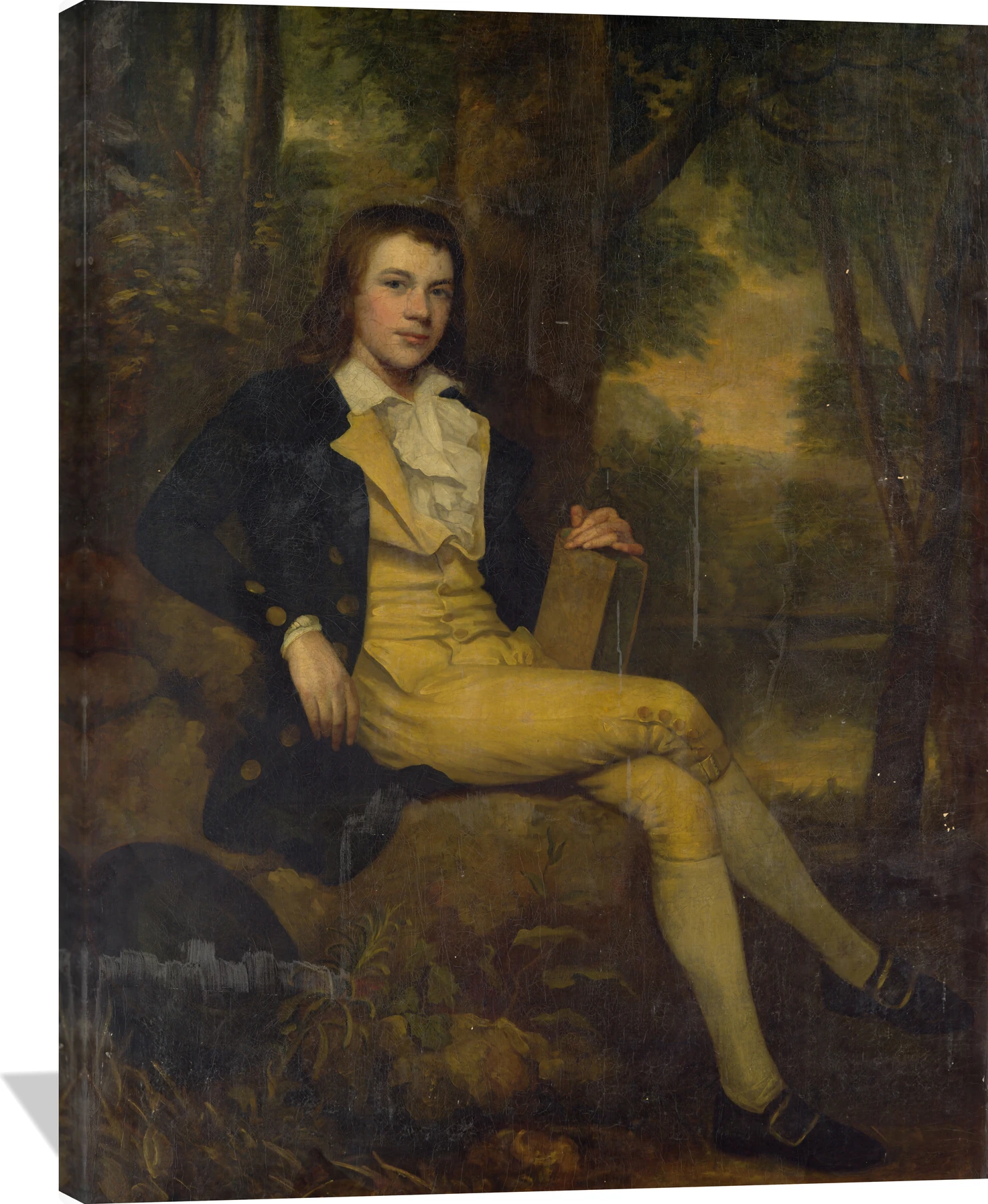
The Ralph Earl Master Rees Goring Thomas canvas captures refined 18th-century elegance with a youthful sitter posed against a serene woodland backdrop. Warm golden tones, deep forest greens, and soft earth browns blend seamlessly with Earl’s masterful use of light, evoking calm sophistication and timeless grace.
This distinguished wall art brings a touch of early American portraiture to modern interiors. Ideal for a study, living room, or entryway, this canvas print adds depth and heritage to any curated space, celebrating Ralph Earl’s artistry and the quiet confidence of his subject.
Ralph Earl (1751–1801) was an American painter born in Worcester County, Massachusetts, whose career flourished in the period surrounding the Revolutionary War. Known for his refined portraiture and sensitive handling of detail, Earl became a significant figure in early American art, bridging colonial traditions with the emerging visual identity of a new nation.
Artistic Style
Earl’s work is distinguished by its balanced compositions, naturalistic color palette, and a meticulous attention to costume, setting, and likeness. His portraits often combine factual clarity with a graceful, slightly idealized presence, revealing the influence of both colonial craftsmanship and the European techniques he encountered during his years in England.
Notable Contributions
Earl became one of the early republic’s most sought-after portraitists, producing a substantial body of work that documents influential families, political leaders, and distinguished figures of New England. His ability to convey character while maintaining a polished, harmonious visual structure remains a hallmark of his practice. In addition to portraiture, he created several historically significant depictions of patriotic subjects, including the well-known composition After the Battle of Lexington, which captures the tension and immediacy of the revolutionary era.
Subjects and Themes
Earl specialized in portraying sitters within their domestic or professional contexts, often including finely rendered interiors, furnishings, and symbolic objects. These details provide valuable insight into the social aspirations, cultural environment, and material world of late eighteenth-century America. His paintings frequently celebrate personal dignity and civic identity, making them essential visual records of the early national period.
Cultural and Historical Significance
As one of the few American artists trained abroad during the late eighteenth century, Earl played a crucial role in elevating the sophistication of portraiture in the United States. His work reflects a pivotal moment in American culture, capturing the transition from colonial life to an independent nation. Today, Earl is recognized for his refined realism and his integral contribution to the visual history of early America, preserving both the likeness and the spirit of the individuals who helped shape the country’s formative years.