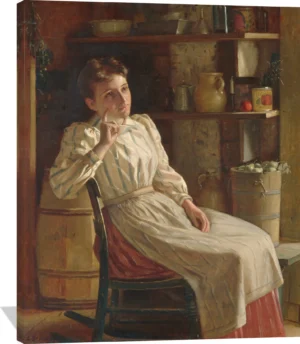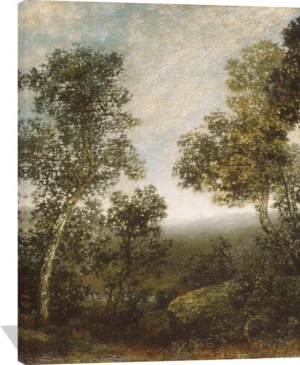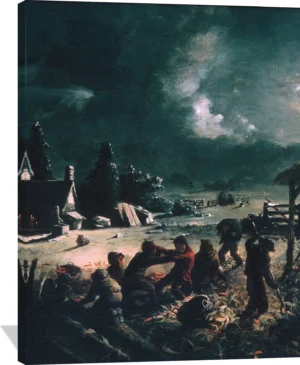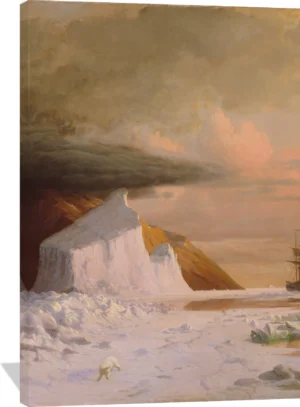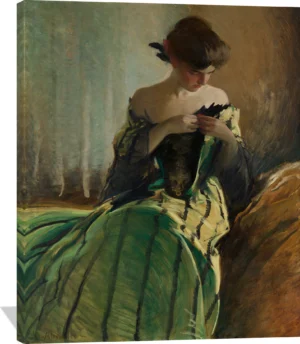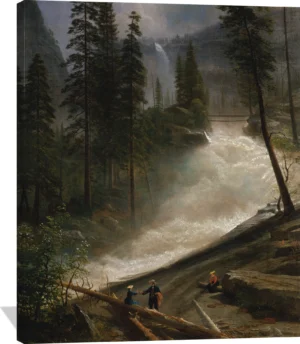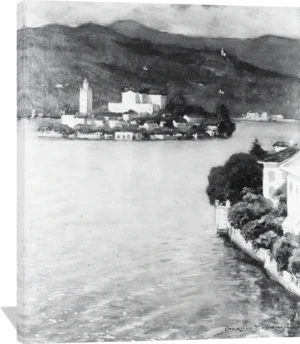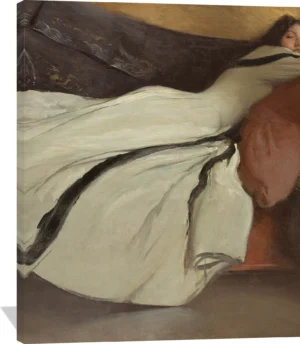
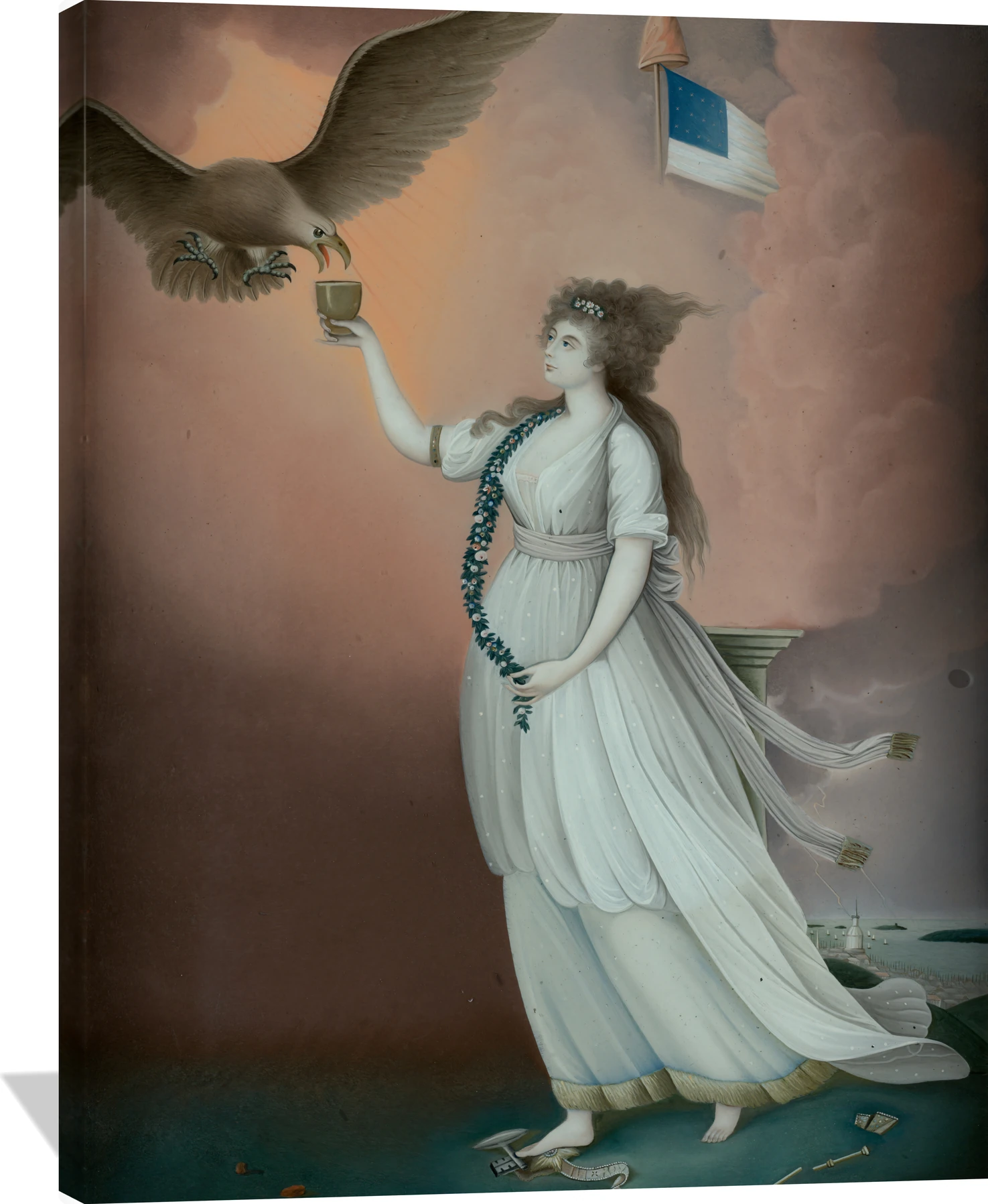
The Chinese Painter Liberty canvas captures a serene yet powerful vision of freedom and grace. A luminous female figure in flowing white robes extends a chalice toward a soaring eagle, set against a backdrop of warm rose and muted teal skies. The soft interplay of peach, ivory, and slate tones evokes calm strength and timeless elegance.
This refined wall art brings a sense of symbolism and poise to any space. Perfect for a living room, study, or entryway, this canvas print invites reflection and conversation, blending classical artistry with an enduring message of hope and independence.
Chinese painters have shaped one of the world’s richest artistic traditions, blending visual poetry with philosophical depth. Their work reflects a continuous lineage of techniques developed over millennia, where brushwork, ink, and natural materials become pathways to express both the outer world and the inner spirit.
Artistic Style
Chinese painters are celebrated for their mastery of ink wash painting, an approach that emphasizes fluid brushwork, expressive line, and harmonious composition. Rather than aiming for strict realism, the style seeks to convey rhythm, vitality, and atmosphere. Subtle gradations of ink, controlled gestures, and negative space give each work a contemplative, almost meditative quality. This tradition has had a profound influence on East Asian visual culture and remains a touchstone for modern artists across the globe.
Typical Subjects
Landscape scenes, or shanshui, occupy a central place in Chinese painting. Mountains, rivers, mist, and distant pavilions serve as metaphors for human experience and philosophical reflection. Painters also frequently depict flora and fauna, from bamboo and plum blossoms to birds rendered with delicate precision. Human figures appear as scholars, poets, or travelers, often integrated subtly within the natural world to emphasize balance and humility.
Notable Contributions
Traditional Chinese painters helped establish foundational principles of brush technique, composition, and symbolic imagery. Their innovations in ink handling and calligraphic line continue to influence contemporary art and design. The integration of painting with poetry and calligraphy is a hallmark of this heritage, reflecting the belief that all three share a unified expressive spirit. This interdisciplinary approach has contributed to the enduring reputation of Chinese painting as a refined and intellectually rich art form.
Cultural and Historical Significance
Rooted in centuries of cultural development, Chinese painting embodies philosophical concepts drawn from Daoism, Confucianism, and later Buddhism. Its emphasis on harmony with nature, restraint, and the pursuit of inner clarity remains central to its appeal. Works such as Along the River During the Qingming Festival and Dwelling in the Fuchun Mountains exemplify the tradition’s capacity to merge observation with imagination. As a result, the Chinese painter stands as a symbol of enduring artistic lineage and a contributor to one of humanity’s most sophisticated visual languages.