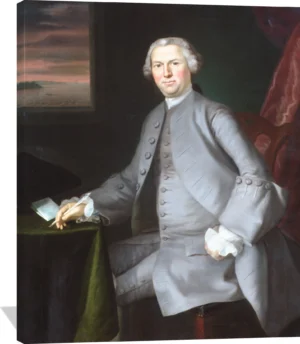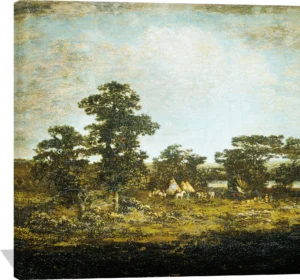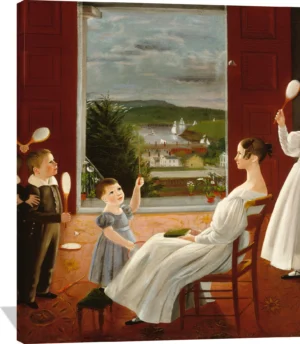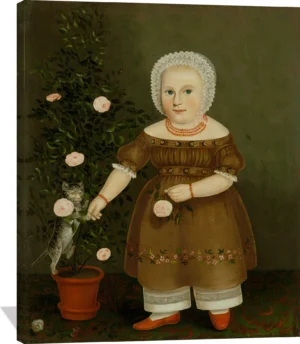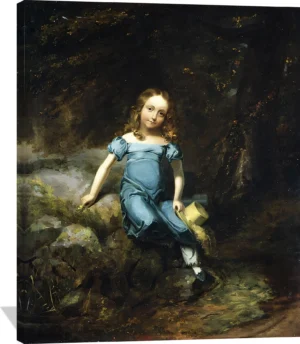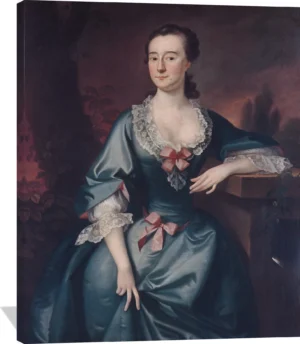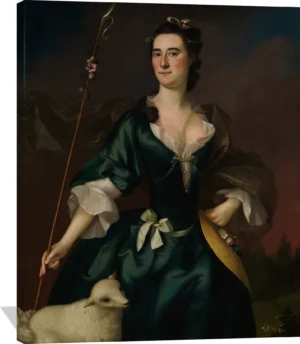
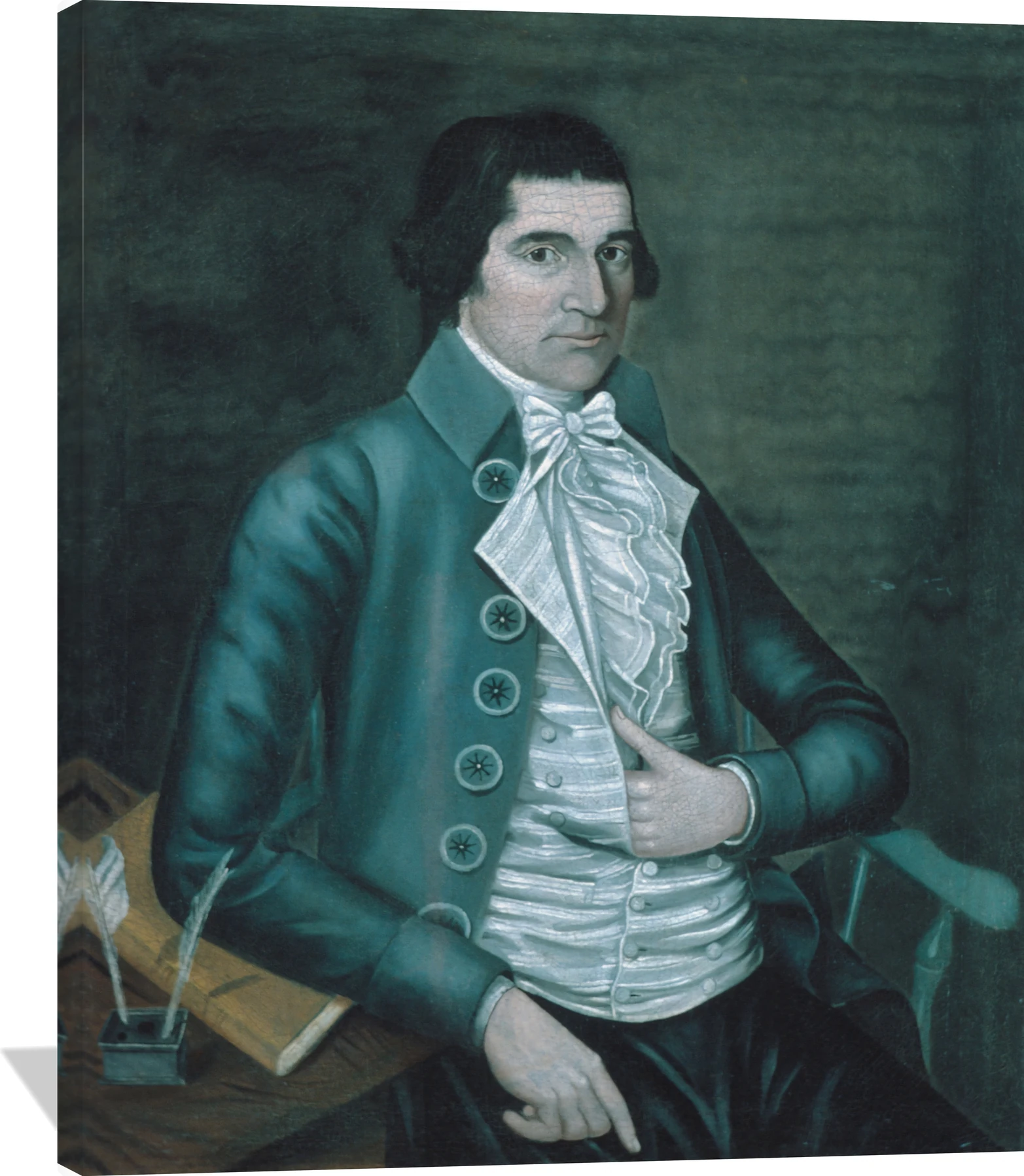
The Reuben Moulthrop Job Perit canvas captures the refined elegance of early American portraiture. Rendered in deep teal, slate gray, and soft ivory tones, this dignified composition highlights the sitter’s composed presence and meticulous detail, hallmarks of Moulthrop’s late 18th-century style. The subtle contrast of light and texture lends the piece a timeless sophistication.
This museum-quality wall art brings a sense of heritage and quiet confidence to any space. Ideal for a study, library, or formal living room, the Job Perit canvas print invites reflection and adds a distinguished focal point to classic or contemporary interiors alike.
Reuben Moulthrop (1763–1814) was an American painter of the early Federal period, recognized for his refined portraiture and quietly expressive style.
Artistic Style
Moulthrop’s work is marked by its subtle modeling, calm naturalism, and attention to character. His portraits often feature softly lit faces, measured compositions, and a restrained palette that highlights the sitter’s presence without ornamentation. This balance of simplicity and clarity has made his work a touchstone of early New England portrait traditions.
Subjects and Contributions
Based primarily in Connecticut, Moulthrop created portraits for prominent local families, capturing merchants, civic figures, and children with a sensitivity that set him apart from many itinerant painters of his time. His ability to convey individuality while maintaining a sense of dignity contributed to the emerging American portrait aesthetic of the post‑Revolutionary era.
Cultural Significance
Moulthrop is regarded as one of the region’s notable early portraitists, helping shape a distinctly American visual identity during a formative cultural period. His works offer valuable insight into the social aspirations and domestic life of the early republic, making him a significant figure in the development of early American art.