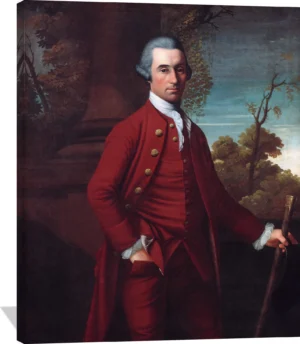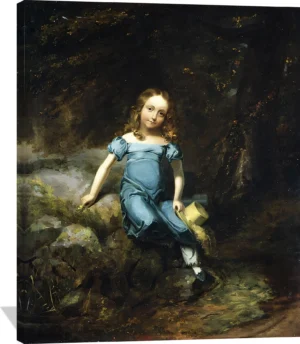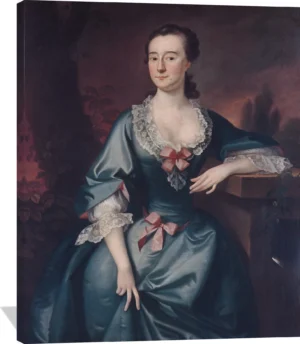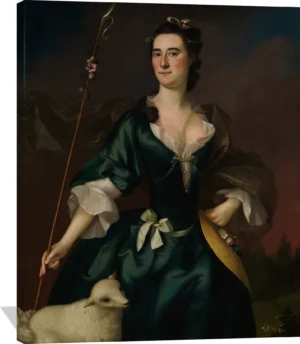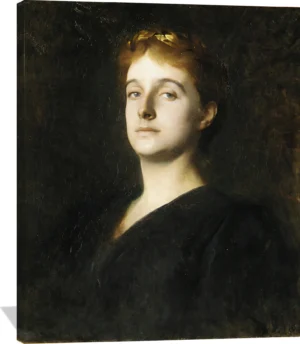
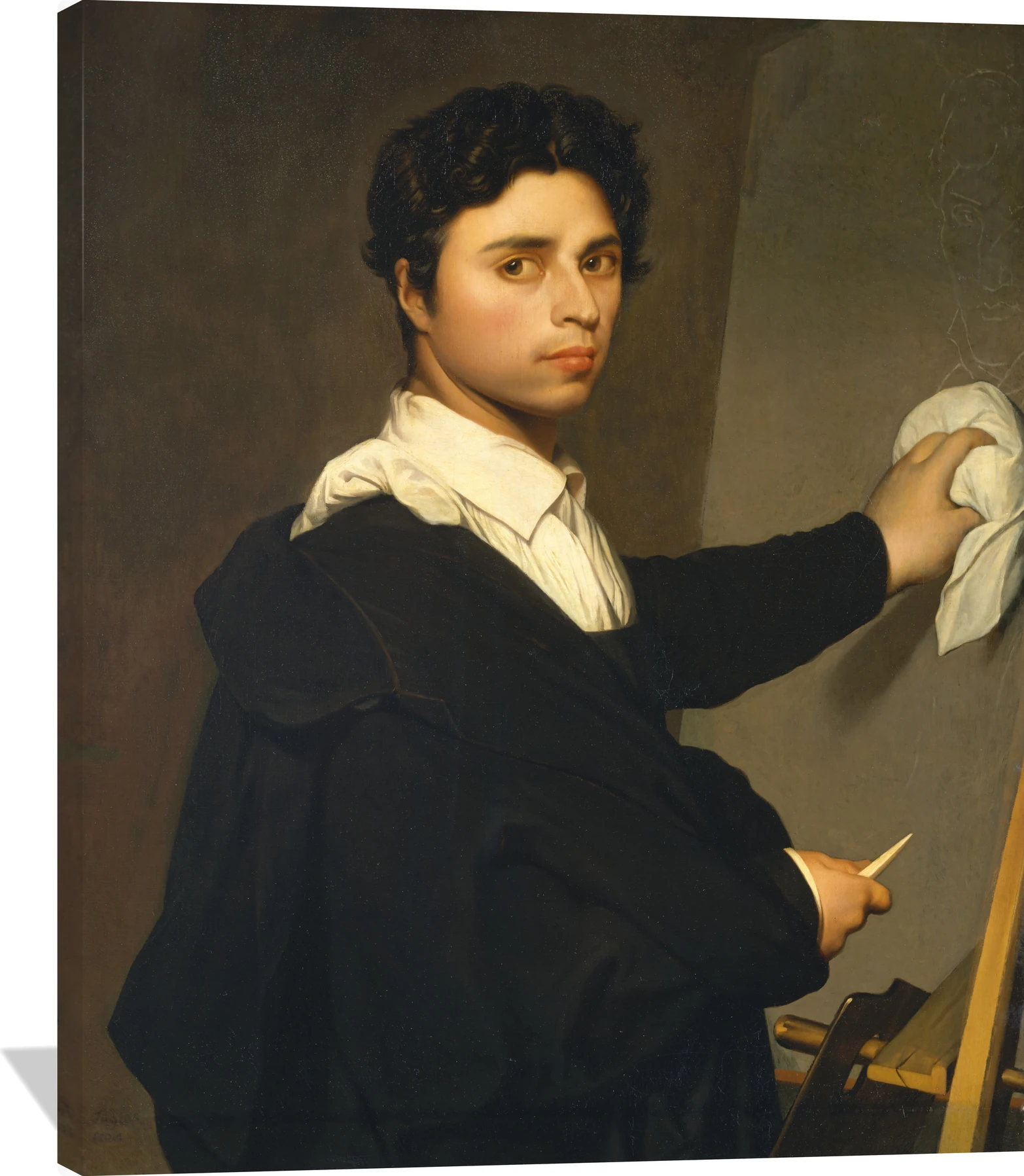
The Laurence-Augustine Jubé Héquet Ingres (1780–1867) as a Young Man canvas captures a moment of poised introspection, rendered in refined tones of warm beige, deep black, ivory, and soft gold. This neoclassical portrait radiates quiet confidence and youthful focus, its smooth brushwork and balanced composition evoking timeless elegance.
Perfect for a study, library, or sophisticated living space, this museum-quality wall art brings a sense of history and artistic grace to modern interiors. A canvas print that celebrates French artistry and the enduring allure of creative ambition.
Laurence-Augustine Jubé Héquet, known as Madame Héquet, was a French artist born in Cuneo around 1803–1804 and active in Paris until her death in 1864. Working during a period that saw growing visibility for women artists, she established herself through refined draftsmanship and a disciplined pictorial approach shaped by the academic traditions of the early nineteenth century.
Artistic Style
Madame Héquet’s work is distinguished by its careful line, balanced compositions, and a sensitivity to character that reflects the influence of classical training. Her style often blends academic precision with a quiet emotional resonance, resulting in images that feel both controlled and intimate. She favored a restrained palette and clear modeling, creating works that maintain a harmonious clarity even in more detailed passages.
Subjects and Themes
Her subjects typically included portraiture, domestic scenes, and devotional or literary themes. Madame Héquet approached these motifs with a focus on human expression and the subtle gestures that animate everyday life. Portraits attributed to her reveal an attention to social identity and personal presence, capturing sitters with a sense of dignity and poise.
Contributions and Significance
As a woman artist working in nineteenth‑century France, Madame Héquet contributed to a cultural moment in which female creators were increasingly recognized, though still limited by institutional boundaries. Her work participated in the broader artistic dialogues of her time, aligning with the refined sensibilities of academic French art while also offering a personal interpretation of its conventions.
Today, her pieces are appreciated for their grace, technical assurance, and their place within the evolving landscape of nineteenth‑century French painting. Her legacy endures in the quiet strength of her imagery and in her role as part of the generation that helped shape a more inclusive artistic culture, a testament to the enduring refinement and discipline that define her oeuvre.