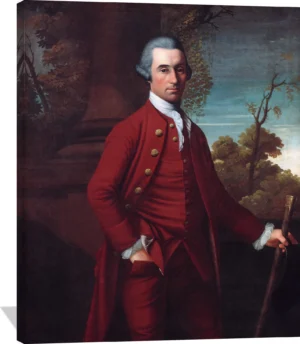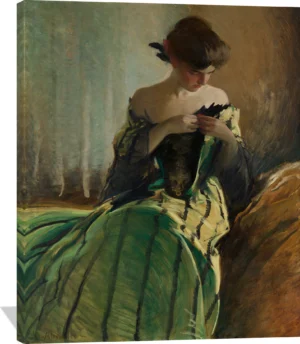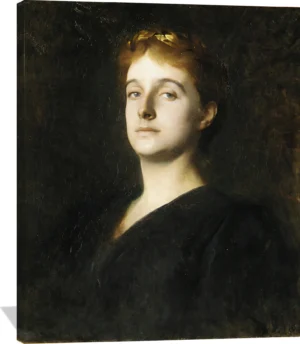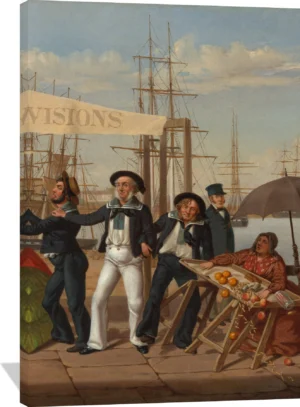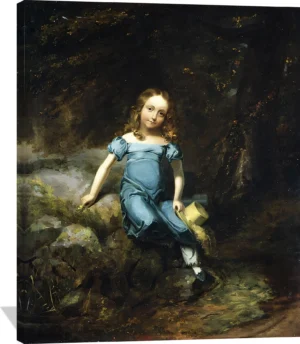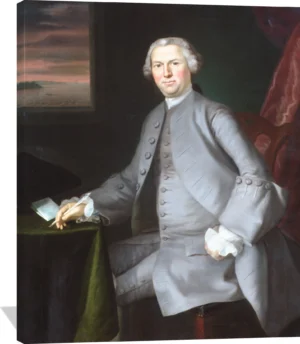
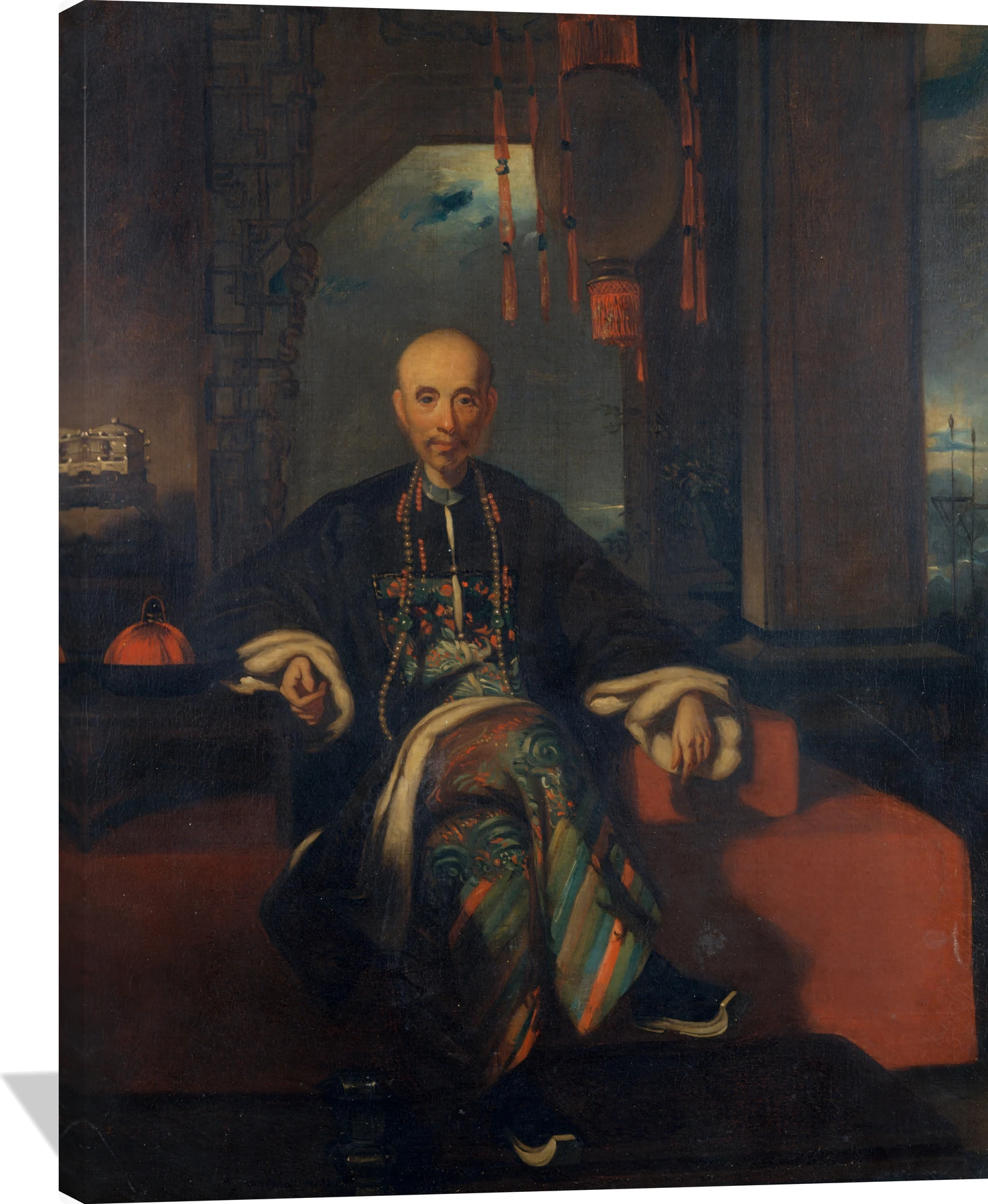
The George Chinnery Houqua canvas captures a moment of refined dignity and cultural depth. Rendered in rich tones of deep brown, muted teal, crimson, and gold, this portrait radiates calm authority and timeless sophistication. The detailed textures and warm lighting evoke the quiet grandeur of 19th-century artistry, making it an exquisite centerpiece for any collection.
This premium canvas print brings Chinnery’s masterful brushwork and nuanced atmosphere into your space. Ideal for a study, library, or elegant living room, Houqua adds a sense of history and poise to contemporary interiors while celebrating the enduring beauty of classical portraiture.
George Chinnery (1774–1852) was a British artist celebrated for his vivid portrayals of life across India, southern China, and Macau. After early success in London and Ireland, he spent the majority of his career in Asia, where his keen observational skill and expressive draftsmanship won him a distinguished place in the history of colonial-era art.
Artistic Style
Chinnery’s work is defined by fluid brushwork, atmospheric light, and a naturalistic approach that balanced European academic training with the immediacy of on‑site sketching. His drawings and paintings capture a sense of movement and humanity, giving his subjects a lively spontaneity that remains a hallmark of his oeuvre.
Subjects and Themes
Best known for his scenes of daily life, Chinnery depicted bustling streets, harbor activity, merchants, artisans, and travelers. He also produced portraits that conveyed psychological depth and subtle character study. His extensive sketchbooks preserve an invaluable record of 19th‑century Macau and southern China, making him one of the period’s most significant visual chroniclers.
Legacy and Significance
Chinnery was the first major Western artist to work long‑term in the Pearl River Delta region, and his presence influenced generations of local painters. His artworks offer exceptional insight into cross‑cultural encounters during a formative period in Asian and European exchange. Today, he is recognized for his distinctive documentary sensitivity and his enduring contribution to the visual history of Asia.