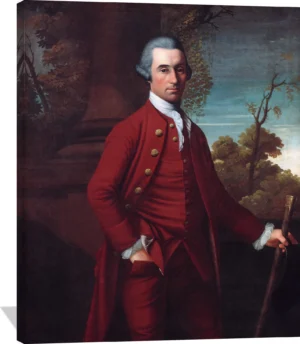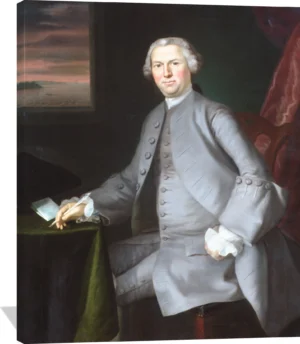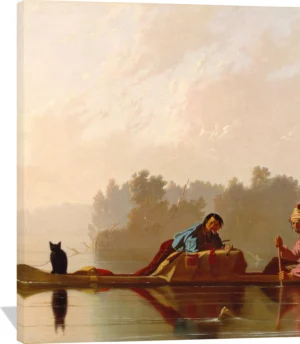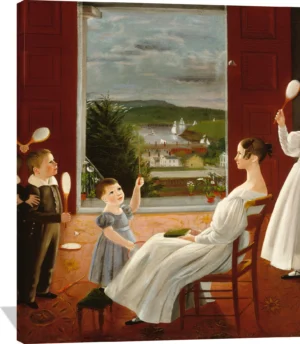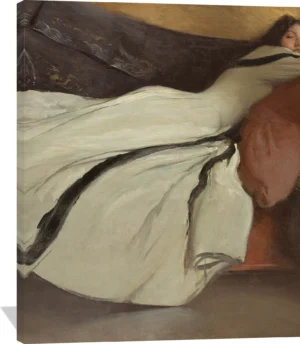
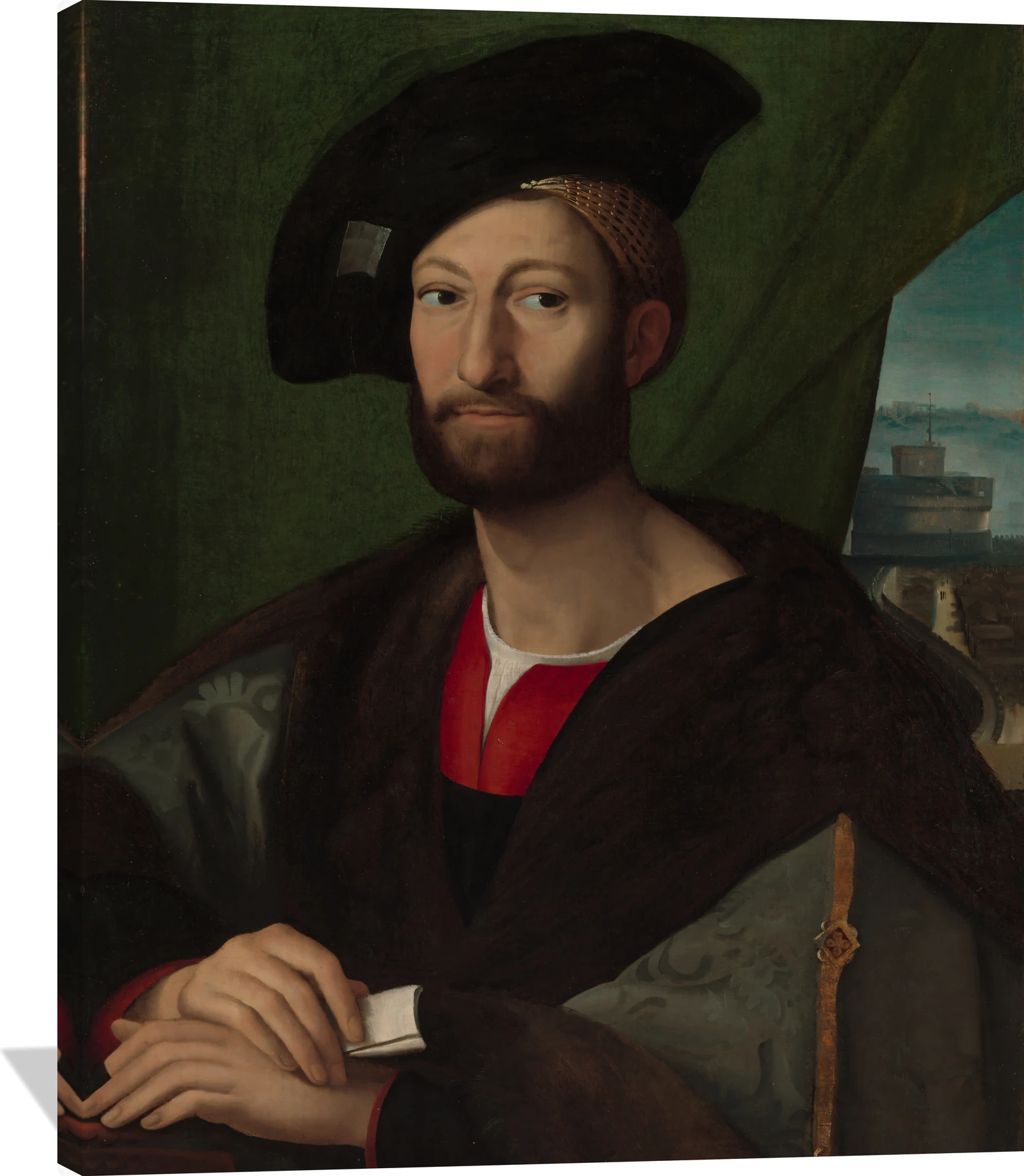
The Raphael Giuliano de’ Medici (1479–1516), Duke of Nemours canvas captures the quiet authority and refined elegance of Renaissance portraiture. Cloaked in rich tones of deep green, black, and crimson, the Duke’s poised expression and luxurious attire evoke timeless sophistication. Raphael’s masterful use of light and texture enhances every detail, from the soft fur trim to the serene architectural backdrop.
This museum-quality canvas print brings a sense of history and grandeur to any space. Ideal for a study, living room, or entryway, this exquisite wall art adds depth, culture, and classical beauty to modern interiors with enduring style.
Raphael (1483–1520), born in Urbino and active primarily in Rome, stands as one of the defining masters of the Italian Renaissance. Celebrated for his harmonious compositions and exceptional draftsmanship, he helped shape the visual language of Western art during a period of profound cultural transformation.
Artistic Style
Raphael’s work is distinguished by its clarity, balance, and serene beauty. His mastery of perspective and delicate handling of color created paintings that feel both idealized and deeply human. Known for elevating High Renaissance aesthetics to their pinnacle, he blended naturalistic detail with a sense of effortless grace, contributing to what later generations would regard as the era’s classical standard.
Notable Contributions
During his Roman period, Raphael produced monumental fresco cycles for the Vatican, including the celebrated School of Athens. These works demonstrated his ability to unite complex architectural spaces with expressive, individualized figures. As a draftsman, he oversaw a large workshop and developed influential cartoons for tapestries, further extending his artistic reach across Europe.
Typical Subjects
Raphael frequently portrayed religious themes, refined portraiture, and allegorical narratives. His depictions of the Madonna and Child are especially admired for their warmth and compositional perfection, reflecting both spiritual depth and a profound sensitivity to human emotion. His portraits, such as the iconic Baldassare Castiglione, reveal psychological nuance conveyed through elegant restraint.
Cultural and Historical Significance
Raphael’s legacy rests on his synthesis of artistic innovation and classical harmony. Alongside Michelangelo and Leonardo da Vinci, he formed a triumvirate that shaped the High Renaissance. His approach became a guiding model for academies and artists for centuries, influencing the development of European painting well into the modern era. Today, Raphael is celebrated for his refined visual balance and the enduring humanism that defines his oeuvre.