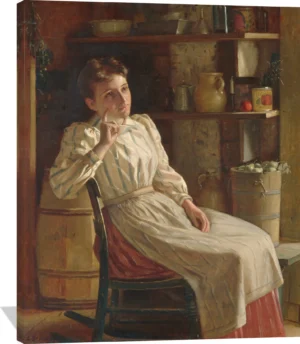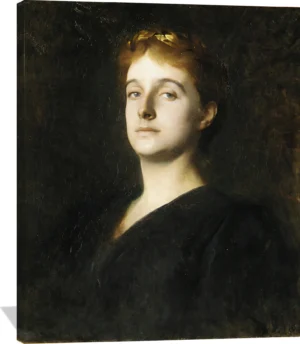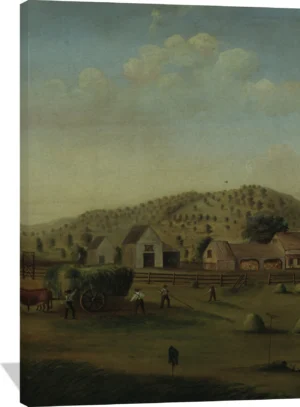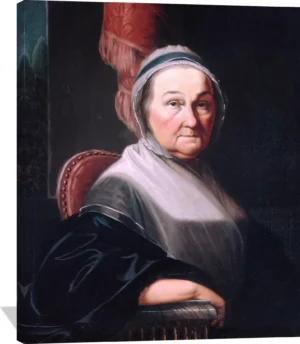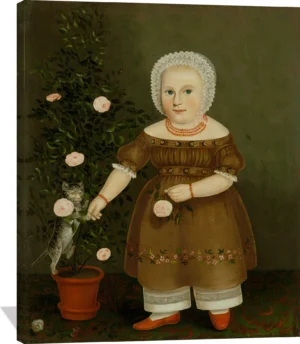
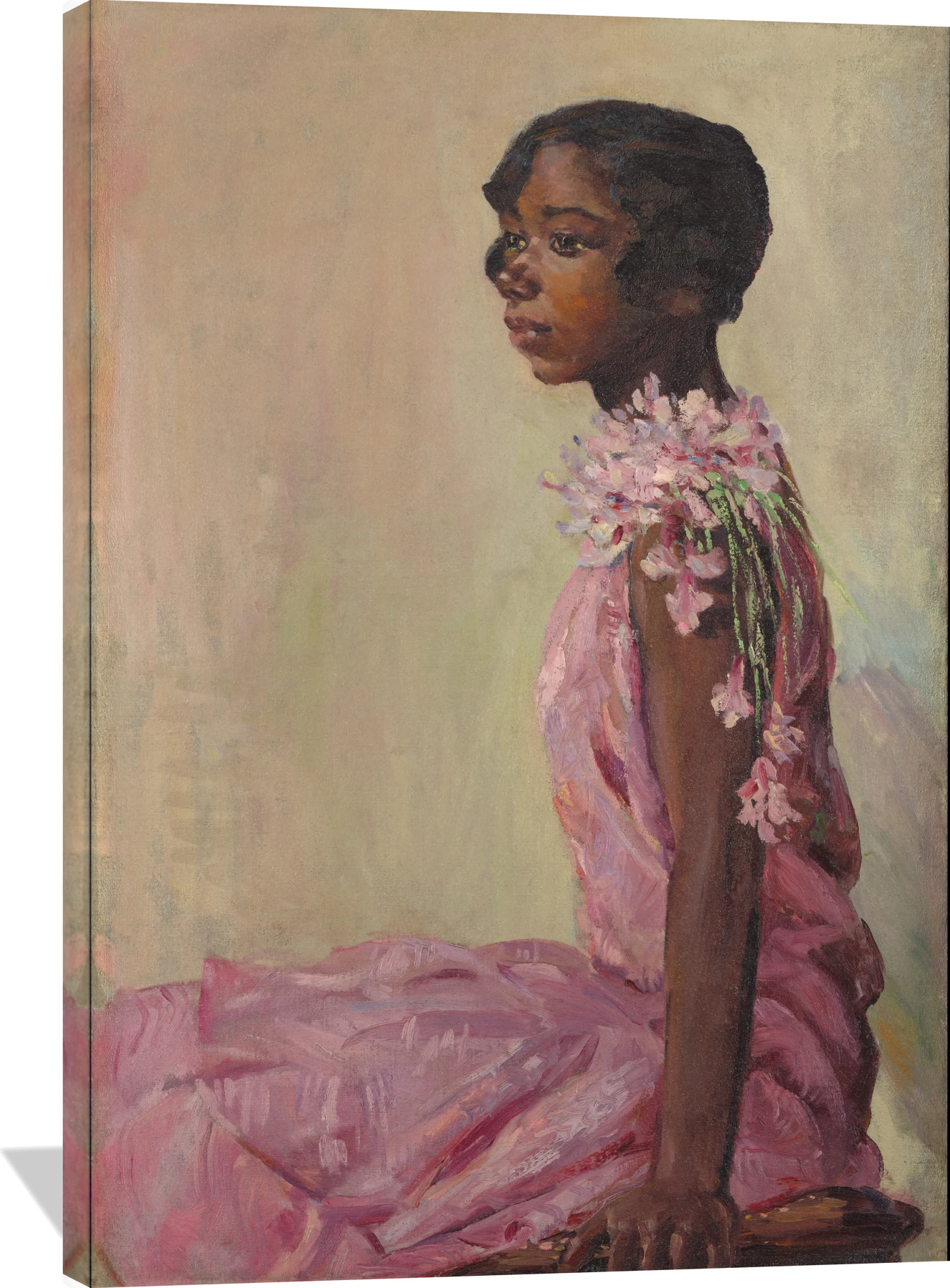
The Laura Wheeler Waring Girl in Pink Dress canvas captures timeless grace and quiet confidence through soft brushwork and radiant color. The portrait’s delicate pinks, warm browns, and muted cream tones create a serene harmony that draws the eye and soothes the space. Waring’s refined realism and luminous palette celebrate beauty and individuality with understated elegance.
This premium Girl in Pink Dress canvas print brings a sense of poise and warmth to any interior—perfect for a living room, study, or entryway. A stunning piece of wall art that honors both artistic mastery and enduring style.
Laura Wheeler Waring (1887–1948) was an influential American artist born in Hartford, Connecticut, and later based in Philadelphia. Renowned for her refined portraiture and her role in shaping the visual language of the Harlem Renaissance, Waring brought extraordinary sensitivity and dignity to her subjects during a pivotal era in American art.
Artistic Style
Waring’s style blended academic training with a modern sensibility, marked by luminous color, elegant composition, and attentive modeling of the human face. Her work reflects both classical portrait traditions and the evolving aesthetics of early twentieth‑century American art. She frequently employed subtle tonal shifts and carefully balanced forms, creating portraits that feel contemplative, intimate, and psychologically rich.
Subjects and Themes
Best known for her portraits of prominent African American cultural figures, Waring captured writers, musicians, and educators whose achievements shaped the intellectual and artistic landscape of their time. These works, including celebrated pieces such as her portraits for the Harmon Foundation, portray their subjects with quiet power and unwavering respect. She also created landscapes, still lifes, and studies that display her refined handling of color and light.
Notable Contributions
Waring played a crucial role in documenting and elevating Black excellence during a period when such representation was rare in mainstream American art. Her portraits offered visibility and recognition to individuals whose voices were shaping national culture. She was among the first Black women to gain professional recognition in the fine arts, and her work contributed to a broader shift in how African American subjects were depicted and valued. Her ability to merge technical mastery with a deep humanist focus makes her contribution especially significant.
Cultural and Historical Significance
As an artist working during the Harlem Renaissance, Waring’s legacy extends beyond aesthetics. Her paintings serve as cultural records that preserve the presence and achievements of key Black thinkers and creators of the early twentieth century. Today, her work is celebrated for its grace, sensitivity, and its role in expanding the visual narrative of American history. Her portraits remain enduring symbols of dignity and aspiration, reflecting a vision grounded in both artistic excellence and a commitment to portraying the fullness of Black identity.