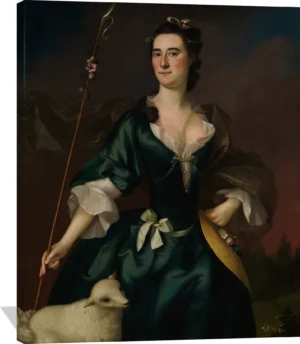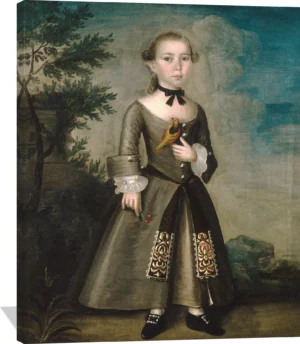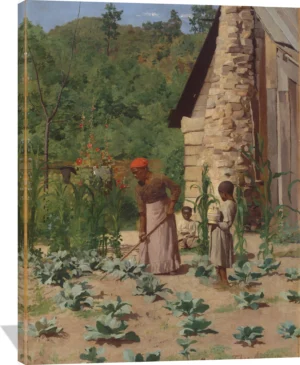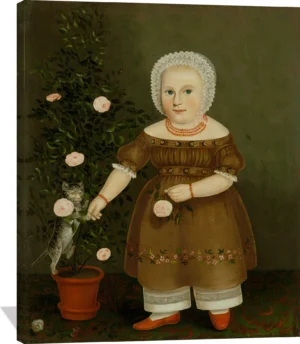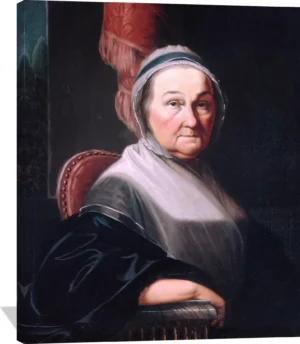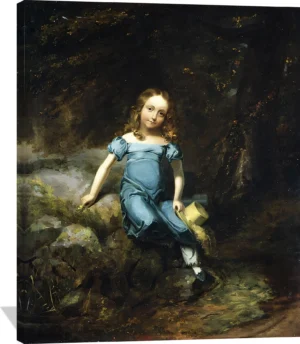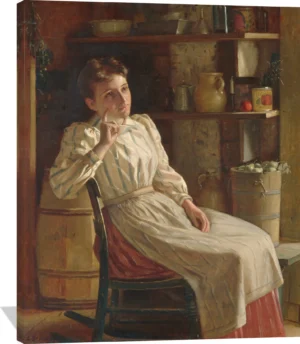
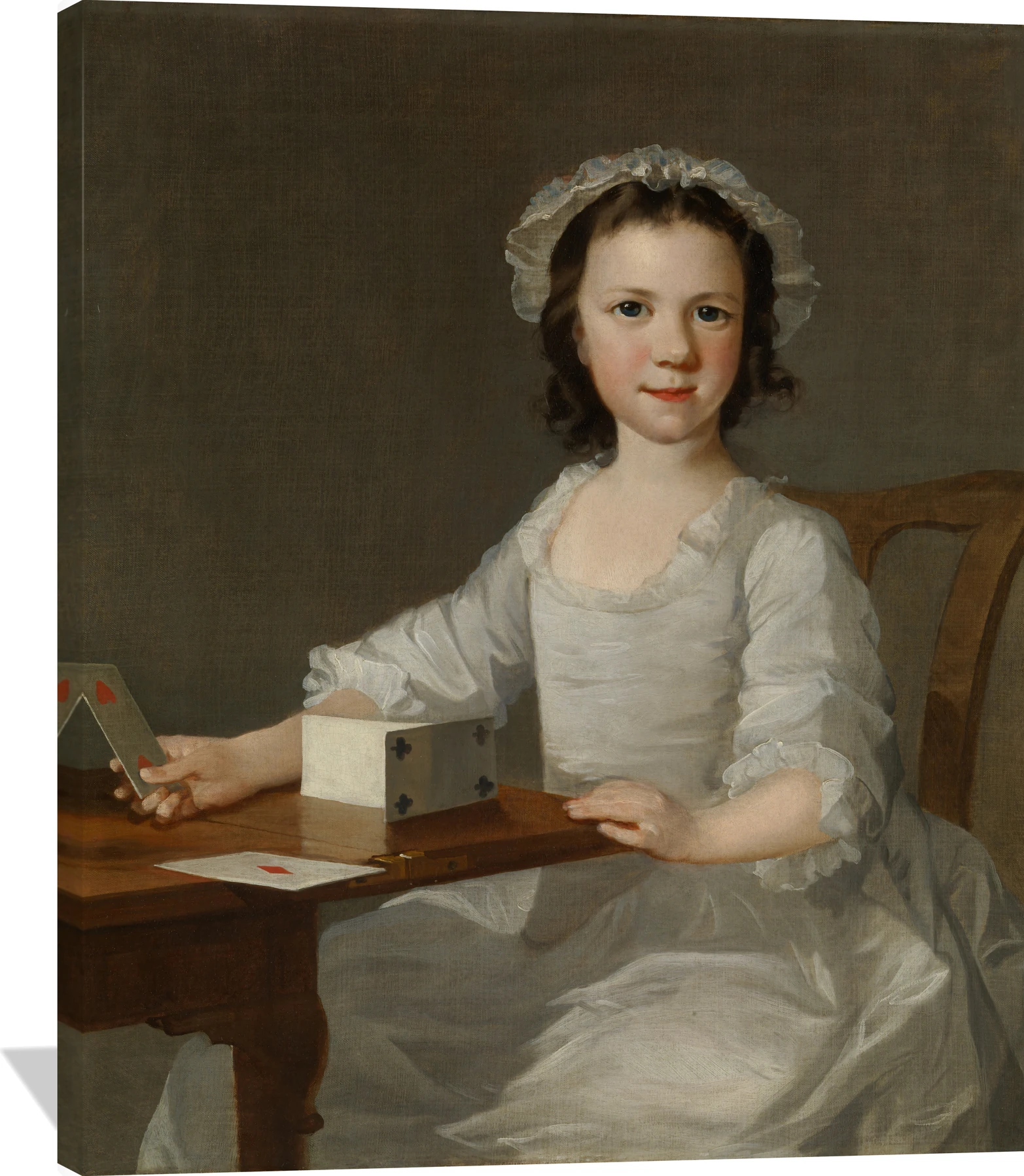
The Thomas Frye Girl Building a House of Cards canvas captures a moment of youthful concentration and delicate balance. Rendered in soft tones of ivory, warm brown, and muted gray, this refined portrait radiates calm elegance and quiet charm. Frye’s masterful brushwork and subtle lighting evoke both innocence and poise, making it a timeless piece of wall art.
This exquisite canvas print brings classical grace to any interior—perfect for a study, living room, or entryway. The serene palette and poised composition lend sophistication to modern and traditional spaces alike, celebrating the artistry of Irish painter Thomas Frye (Edenderry 1710/11–1762 London).
Thomas Frye (1710/11–1762) was an Irish-born portraitist and printmaker whose career flourished in London, where he became known for his refined draftsmanship and inventive spirit. His work bridged the traditions of eighteenth‑century portraiture with emerging printmaking technologies, leaving a lasting influence on British visual culture.
Artistic Style and Technique
Frye excelled in portraiture, creating images distinguished by elegant naturalism, sensitive modeling of features, and a quiet psychological depth. His mastery of mezzotint gave his prints a velvety richness and atmospheric subtlety that became a hallmark of his mature style. These prints often reveal his ability to balance dramatic chiaroscuro with meticulous detail, elevating the medium beyond simple reproduction.
Notable Contributions
One of Frye’s most significant achievements was his pioneering role in mezzotint engraving, especially through his celebrated series of expressive heads that showcased the medium’s potential for nuance and tonal variety. Beyond his printmaking accomplishments, he played a foundational role in the early English porcelain industry as a co‑founder of the Bow porcelain manufactory, a testament to his inventive energy and his ability to merge artistry with technical innovation. His work at Bow, though secondary to his portraiture, marks him as a figure of remarkable versatility in British art history.
Subjects and Themes
Frye’s subjects ranged from distinguished sitters of the London elite to evocative character studies modeled from life. Whether painting or engraving, he approached the human face with a careful sensitivity that emphasized individuality, dignity, and emotional presence. His mezzotint heads, in particular, convey a sense of immediacy and humanity that was unusual for the period.
Cultural and Historical Significance
Positioned at the intersection of portraiture, printmaking, and early industrial design, Frye contributed meaningfully to the cultural landscape of mid‑eighteenth‑century Britain. His prints circulated widely, shaping public taste and demonstrating the expressive potential of the mezzotint technique. At the same time, his involvement in the Bow factory played a role in establishing English porcelain as a viable and competitive artistic industry.
Today, Thomas Frye is remembered as a skilled portraitist, an innovator in engraved imagery, and a creator whose artistic curiosity helped broaden the scope of visual culture during a pivotal moment in British art.