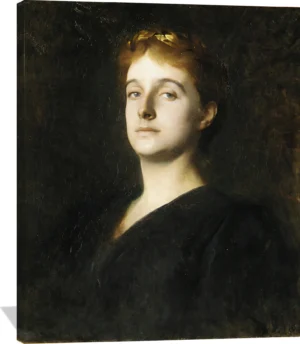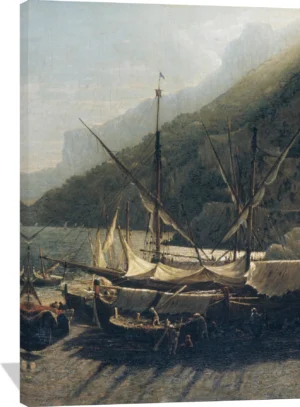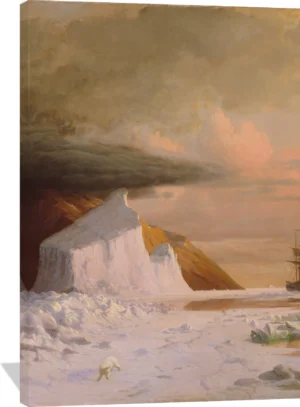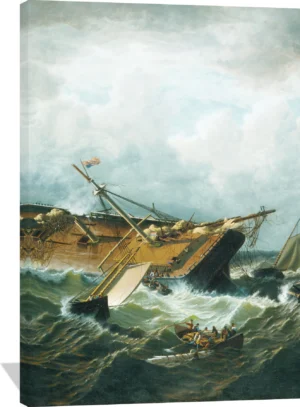
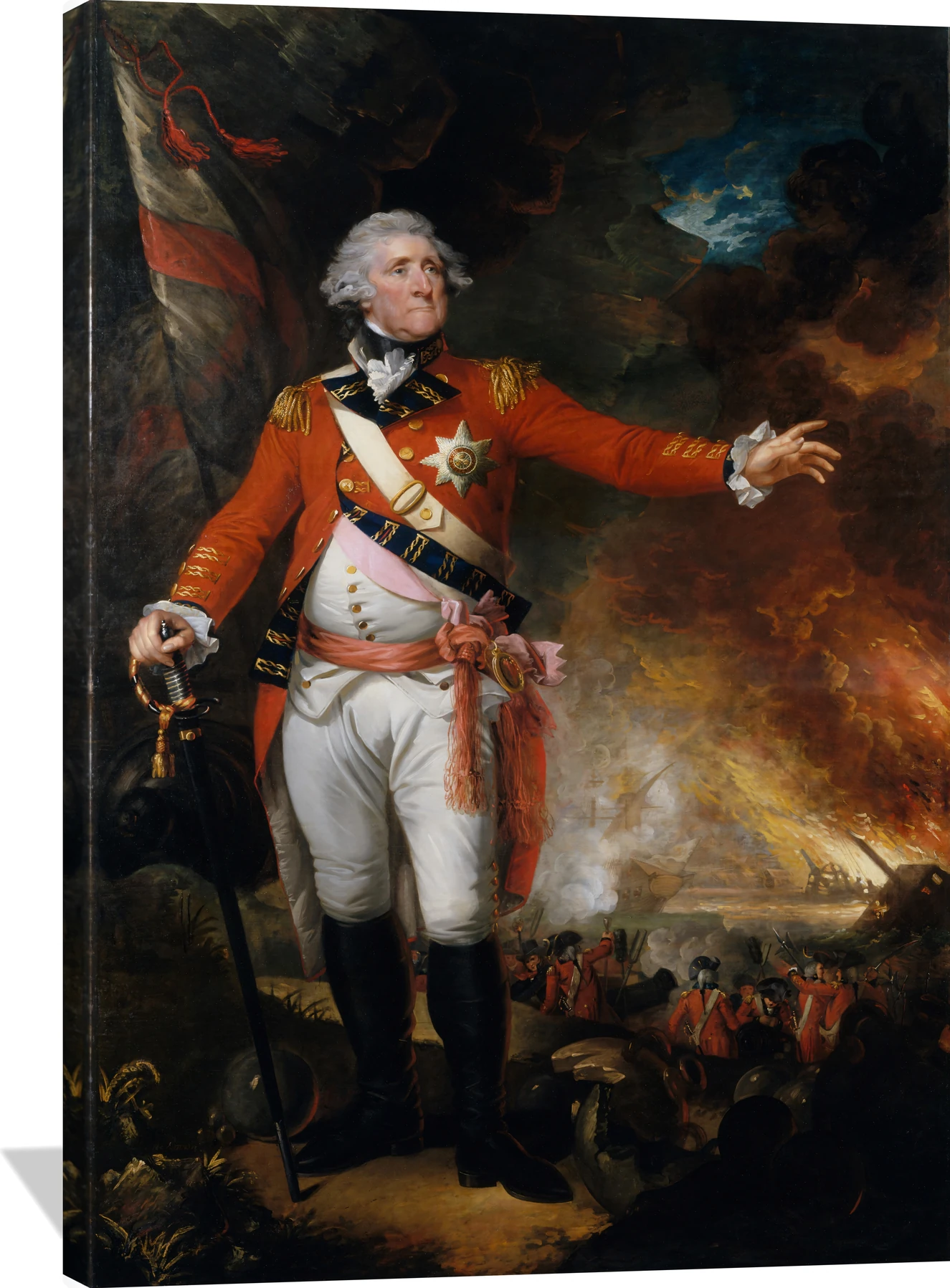
The Mather Brown General George Eliott canvas captures the commanding presence of a British officer amid the dramatic glow of battle. Rich tones of crimson, gold, and deep shadow contrast with a stormy sky, creating a powerful sense of heroism and resolve. Brown’s masterful brushwork and balanced composition bring timeless grandeur to this historic portrait.
This premium canvas print adds stately elegance to any setting—ideal for a study, library, or distinguished living space. A striking piece of wall art, it celebrates courage and leadership with refined 18th‑century sophistication.
Mather Brown (1761–1831) was an American-born portrait and historical painter whose career flourished in London during the late eighteenth and early nineteenth centuries. Trained initially in Boston and later under the notable artist Benjamin West, Brown developed a polished and cosmopolitan style that aligned with the tastes of the British elite.
Artistic Style and Approach
Brown’s work is distinguished by its refined draftsmanship, controlled compositions, and a subtle yet expressive use of color. His portraits demonstrate a keen sensitivity to character, balancing realism with the elegance favored in Georgian society. These qualities allowed him to capture sitters with both psychological presence and visual sophistication.
Notable Subjects and Themes
Best known for his portraits of prominent British and American figures, Brown created enduring images of political leaders, military officers, and influential cultural personalities. He also produced historical paintings that reflect the era’s fascination with classical themes and contemporary events. His depictions often convey a sense of dignity and gravitas, making them highly resonant for modern collectors.
Legacy and Significance
As one of the early American artists to establish a successful career in Europe, Brown played a significant role in shaping transatlantic artistic exchange. His work offers insight into the cultural aspirations of the period and remains valued for its clarity, craftsmanship, and historical depth. Today, he is recognized as a skilled interpreter of character and a contributor to the evolution of portraiture during a transformative era in art history.