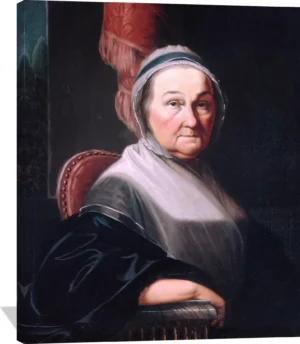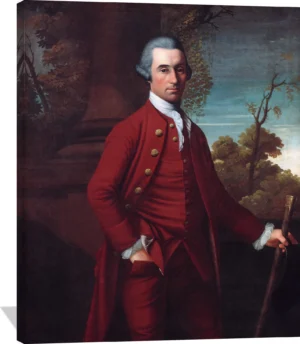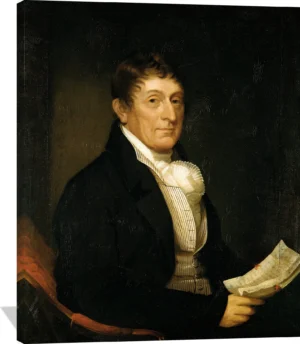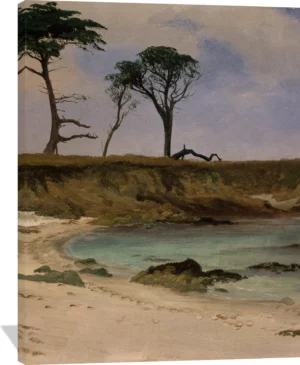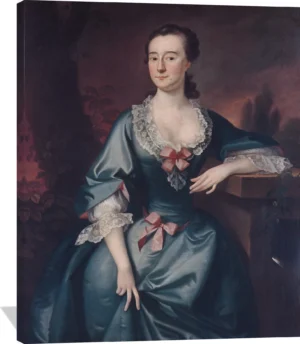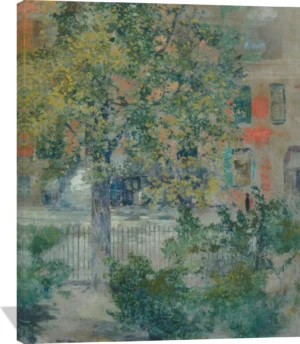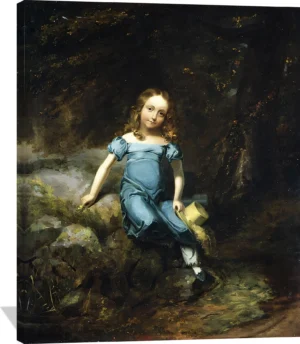
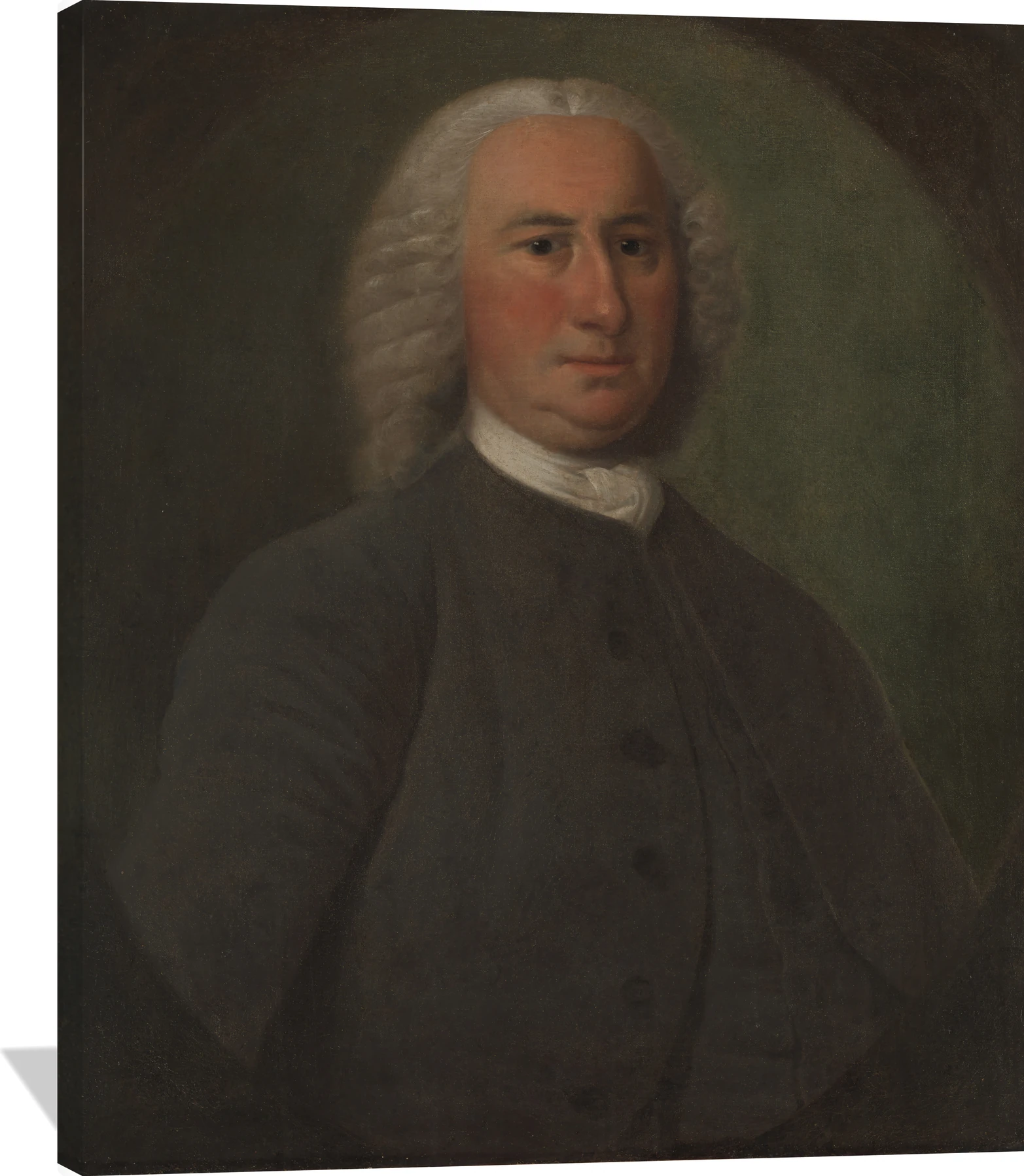
The Jeremiah Theus Gabriel Manigault canvas captures the quiet dignity and refined presence of 18th-century portraiture. Rendered in deep earth tones of brown, olive, and soft gray, the sitter’s composed expression and subtle lighting evoke timeless sophistication. Theus’s masterful brushwork and attention to texture lend the piece a stately, contemplative mood.
This elegant wall art brings a sense of heritage and poise to any interior. Ideal for a study, library, or formal living room, the Gabriel Manigault canvas print offers a distinguished focal point that celebrates early American artistry and enduring style.
Jeremiah Theus (1716–1774) was a Swiss-born American painter who became one of colonial Charleston’s most sought-after portraitists. Active during a formative period in early American art, he is celebrated for his refined technique, sensitive character studies, and keen attention to the genteel aesthetics of the 18th-century South.
Artistic Style
Theus’s portraits are distinguished by their clear, elegant compositions and polished yet approachable realism. He favored luminous color, graceful detailing, and carefully rendered textures, from lustrous fabrics to delicate lacework. His style blends European training with a distinctly colonial sensibility, resulting in works that feel both sophisticated and intimately personal.
Subjects and Themes
The artist is best known for his portraits of Charleston’s prominent families, capturing adults and children with warmth and precision. His sitters are often shown in fashionable attire, surrounded by symbolic objects that communicate refinement and status. Theus’s child portraits, in particular, are valued for their gentle expressions and vibrant palette.
Cultural Significance
As one of the earliest professional painters in the American South, Theus played a vital role in shaping the visual identity of colonial Charleston. His work documents a rising urban society and provides a rare, vivid record of its people. His enduring legacy lies not only in the technical quality of his paintings but also in his contribution to early American artistic traditions.