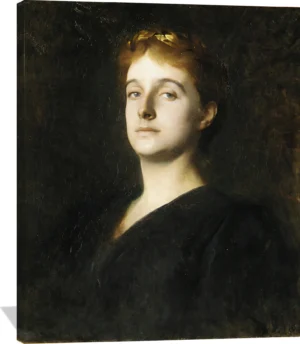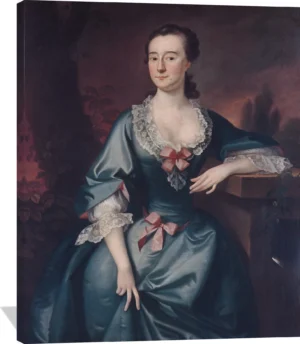
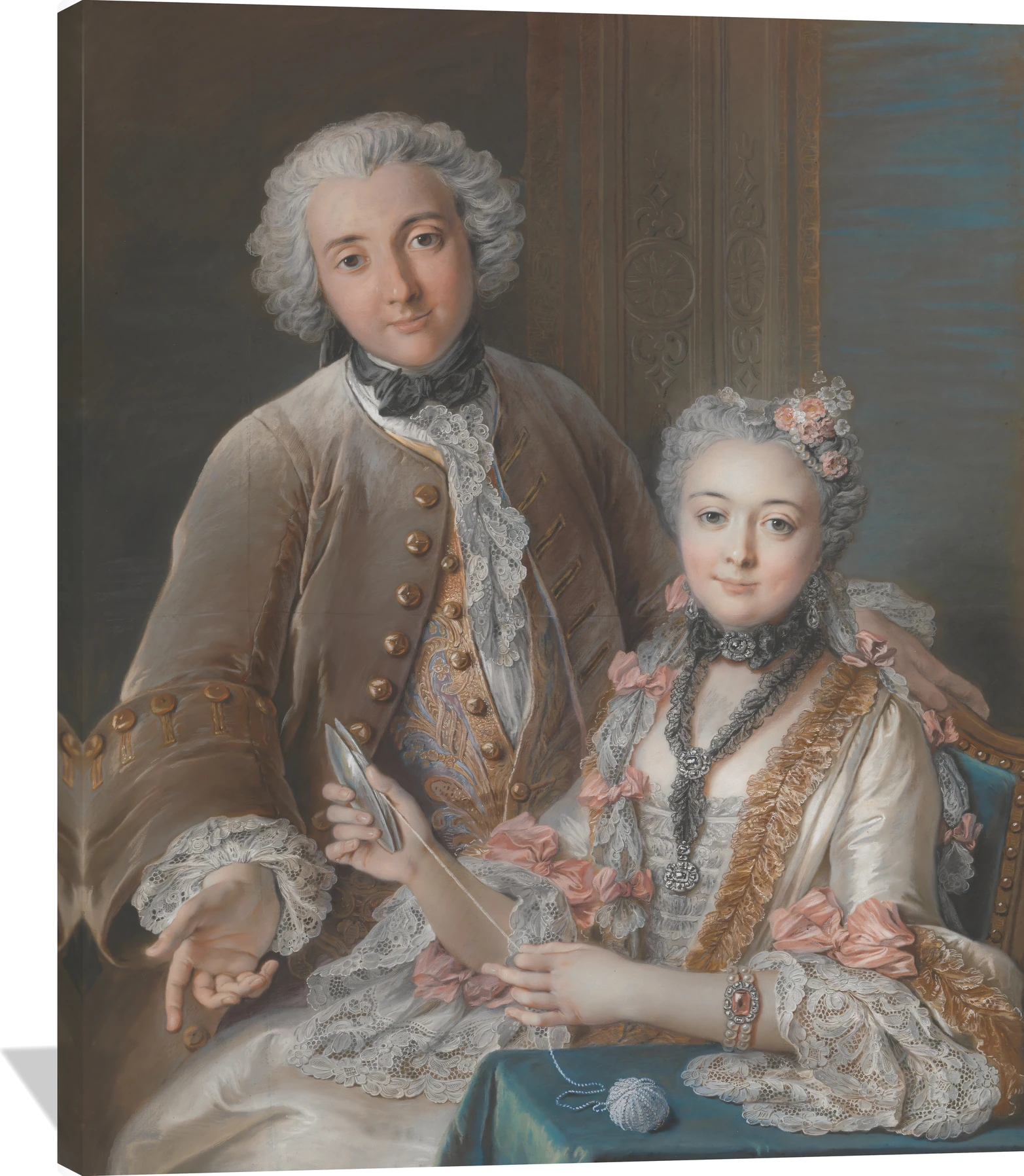
The Charles Antoine Coypel François de Jullienne (1722–1754) and Marie Elisabeth de Jullienne canvas captures the refined grace of 18th-century French portraiture. Rendered in soft tones of ivory, rose, gold, and powder blue, this exquisite wall art highlights the elegance and intimacy of a distinguished couple, their delicate attire and gentle expressions illuminated with masterful detail.
This timeless canvas print brings sophistication and warmth to any interior—perfect for a living room, study, or entryway seeking a touch of Rococo charm. Coypel’s painterly finesse and the artwork’s serene composition make it a captivating focal point that celebrates both artistry and heritage.
Charles Antoine Coypel (1694–1752) was a distinguished French painter and draughtsman born and based in Paris, celebrated for his refined command of narrative imagery and his influential role within the artistic circles of the French court.
Artistic Style and Approach
Coypel’s work is characterized by elegant composition, polished surfaces, and a graceful theatricality shaped by his lifelong engagement with literature and drama. His paintings often reveal a sophisticated blend of classical clarity and expressive warmth, reflecting the transition from the grandeur of the Baroque to the lighter sensibilities that would later define the Rococo. A gifted storyteller, he brought emotional intelligence and visual wit to his subjects, distinguishing himself within the French academic tradition.
Notable Contributions
Appointed Premier Painter to the King and director of the Académie Royale, Coypel played a central role in shaping artistic production in early eighteenth-century France. Among his most celebrated achievements were his designs for the tapestry series illustrating scenes from Don Quixote, produced at the Gobelins Manufactory. These compositions, praised for their charm and narrative richness, became widely circulated and increased his renown across Europe. His theatrical background he was also a playwright deepened his ability to capture gesture, character, and atmosphere in his visual work.
Subjects and Legacy
Coypel’s paintings encompass mythological scenes, literary subjects, portraits, and refined allegories, all unified by a sense of poise and cultivated imagination. He brought a modern sensibility to traditional themes, saturating them with human emotion and a dramatic flair rooted in court culture. His influence extended through his administrative leadership, his tapestry designs, and his enduring contributions to French visual storytelling.
Today, Charles Antoine Coypel is remembered as a pivotal figure who bridged the ceremonial splendor of the Grand Siècle with the more intimate, expressive currents that followed, leaving a legacy of artistry that reflects both intellectual depth and visual elegance.