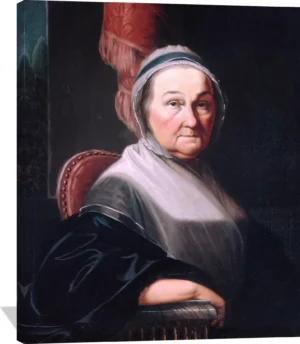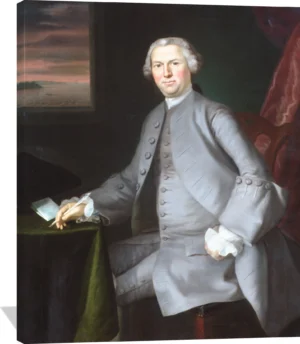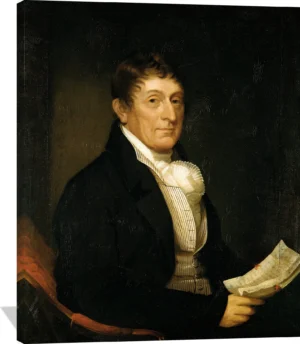
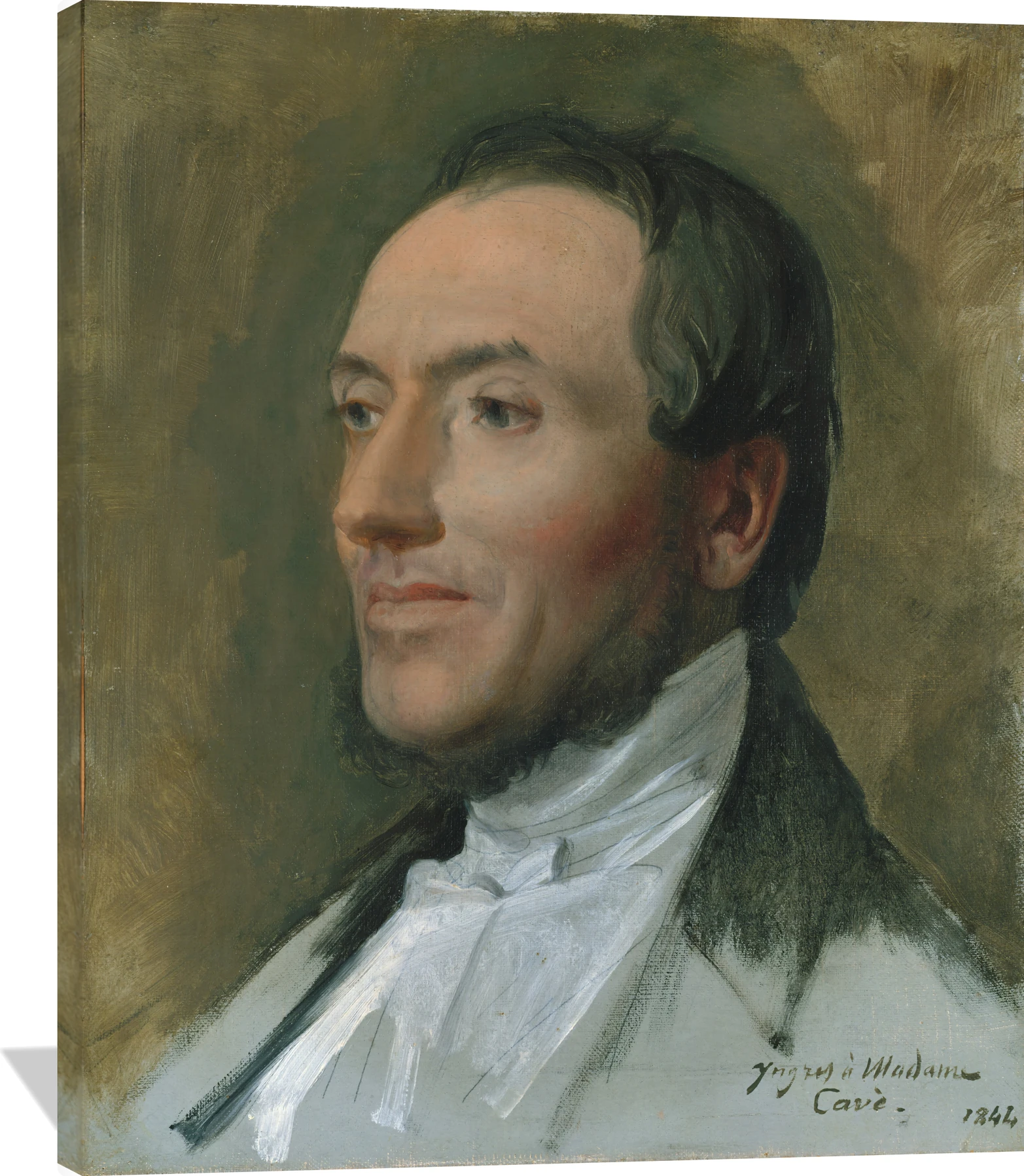
The Jean Auguste Dominique Ingres Edmond Cavé canvas captures the refined elegance of 19th‑century portraiture with masterful precision. Subtle tones of warm beige, muted olive, and soft gray highlight the sitter’s thoughtful expression, while Ingres’s delicate brushwork conveys both intellect and poise. The vertical composition and gentle lighting create a timeless, contemplative mood.
This exquisite Edmond Cavé canvas print brings classic sophistication to any interior. Ideal for a study, library, or formal living room, it offers a serene focal point that complements both traditional and modern décor. A distinguished piece of wall art that embodies the grace and artistry of one of France’s most celebrated painters.
Jean Auguste Dominique Ingres (1780–1867), born in Montauban and active primarily in Paris, was a defining figure of French Neoclassicism. Celebrated for his technical precision and elegant draftsmanship, he upheld classical ideals at a time when Romanticism was reshaping European art.
Artistic Style
Ingres’s work is characterized by immaculate line, controlled composition, and a refined sense of form. He believed that drawing was the foundation of painting, resulting in portraits and historical subjects that feel both meticulously crafted and emotionally resonant. While rooted in classical principles, his elongated proportions and stylized contours lend his figures a subtly modern, almost abstract quality.
Subjects and Themes
Best known for his portraits and mythological scenes, Ingres brought a distinctive clarity to depictions of aristocrats, intellectuals, and imagined classical heroines. Works such as La Grande Odalisque reveal his fascination with idealized beauty, sensual line, and atmospheric stillness. His portraits, whether of public figures or private patrons, combine psychological depth with a polished, sculptural finish.
Legacy and Significance
As a leading voice of the French Academy, Ingres championed tradition during a period of artistic upheaval. His influence extended across generations, shaping both academic painters and modernists who admired his mastery of contour. Today, he is recognized as a pivotal artist whose commitment to purity of line and form helped define the trajectory of nineteenth‑century European art. His work remains a touchstone for collectors drawn to timeless elegance and the enduring power of classical refinement.