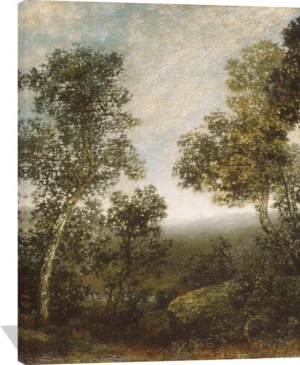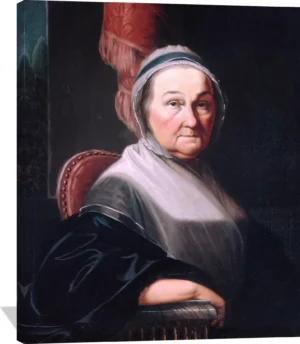

The Francesco Solimena Diego Pignatelli d’Aragona (1687–1750) and an Enslaved Servant canvas captures the grandeur and complexity of Baroque portraiture. Rich tones of crimson, gold, and deep brown envelop the scene, where noble elegance meets dramatic chiaroscuro. Solimena’s refined brushwork and masterful use of light evoke both power and introspection, making this piece a striking focal point for any art lover’s collection.
Perfect as wall art for a sophisticated living room, study, or entryway, this canvas print brings timeless Italian artistry into modern interiors. Its commanding presence and historical depth invite contemplation and conversation in any refined space.
Francesco Solimena (1657–1747) was one of the most celebrated painters of the late Italian Baroque, rising to prominence from his native Canale di Serino to become a central artistic force in Naples. Active for more than six decades, he shaped the visual culture of his era through a masterful blend of dramatic composition, refined color, and theatrical illumination.
Artistic Style and Vision
Solimena’s work is distinguished by its dynamic Baroque grandeur, where controlled drama and elegant clarity coexist. His paintings often reveal a meticulous balance between powerful movement and poised restraint. He excelled in creating deep spatial effects, luminous contrasts, and richly textured surfaces that imbue each scene with emotional resonance.
Subjects and Themes
Renowned for his large-scale religious and historical compositions, Solimena depicted sacred narratives, mythological episodes, and courtly allegories with a sense of solemnity and splendor. His figures, sculptural and expressive, inhabit atmospheres charged with spiritual intensity. Whether portraying saints in ecstasy or heroic classical figures, he brought a distinctive theatricality that made his work highly sought after by patrons across Europe.
Influence and Legacy
As a leading artistic figure of the Neapolitan Baroque, Solimena played a pivotal role in shaping the transition toward the more measured aesthetics of the eighteenth century. His workshop attracted numerous pupils, and his stylistic language marked by strong compositional architecture and luminous dramatic clarity left a lasting imprint on generations of painters.
Today, Solimena is celebrated for his ability to harmonize grandeur and grace, creating works that continue to captivate viewers with their emotional depth, visual richness, and enduring cultural significance.