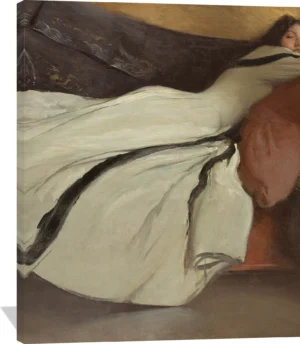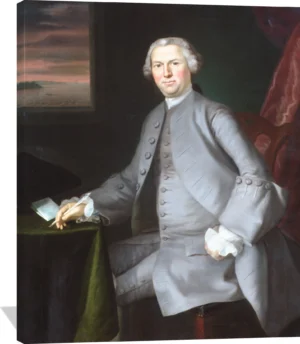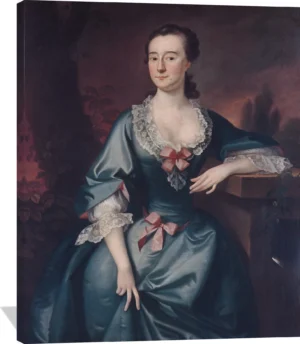
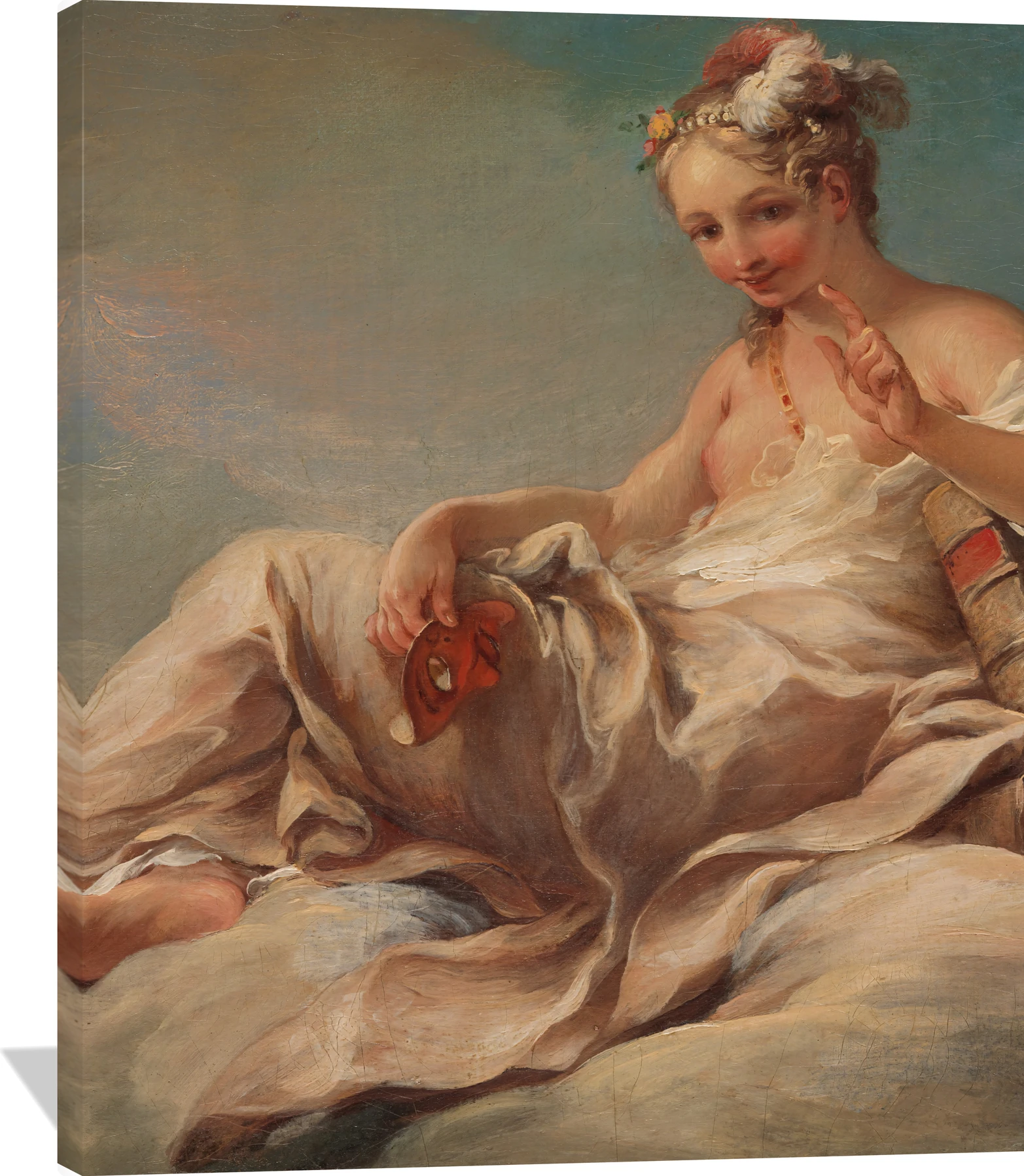
The Pierre Charles Trémolières Comedy canvas captures the playful grace of the Rococo era with soft peach, cream, and sky-blue tones. A serene figure reclines amid clouds and books, her gentle smile and theatrical mask evoking wit and charm. The luminous brushwork and airy composition create an atmosphere of lighthearted sophistication.
This elegant wall art brings a refined sense of joy to any living room, study, or entryway. A premium Comedy canvas print celebrates Trémolières’ mastery of texture and expression, offering timeless beauty that brightens both classic and modern interiors.
Pierre Charles Trémolières (1703–1739) was a French painter whose brief but compelling career contributed to the flourishing of Rococo art in early eighteenth‑century France. Born in Cholet and active primarily in Paris, he became known for refined decorative compositions that balanced elegance, clarity, and expressive charm.
Artistic Style and Approach
Trémolières’s work is distinguished by its graceful handling of form, luminous palette, and fluid draftsmanship. He embraced the Rococo’s lightness and sophistication, infusing his compositions with a sense of movement and delicacy that made him a sought‑after contributor to architectural and ornamental programs. His ability to integrate figures harmoniously into decorative schemes marked him as a subtle yet confident visual storyteller.
Notable Subjects and Themes
His subjects often included allegorical scenes, mythological narratives, and devotional imagery, reflecting both courtly tastes and traditional French academic training. Trémolières excelled at portraying expressive figures set within dynamic, well‑balanced arrangements. Many of his designs were created for tapestry workshops, where his spirited compositions translated beautifully into woven form. His ceiling and wall decorations further illustrated his mastery of spatial illusion and atmospheric grace.
Cultural and Historical Significance
Though his life was short, Trémolières contributed meaningfully to the visual culture of his time. His works exemplify the transition toward a more intimate and ornate aesthetic that would define French Rococo. As part of the artistic milieu that shaped early eighteenth‑century Paris, he helped establish the refined decorative language that influenced both interior design and large‑scale public commissions. His collaboration with prominent workshops and his ability to unify architecture, ornament, and painting underscore his role in shaping the era’s integrated artistic environments.
Enduring Appeal
Today, Trémolières’s art is admired for its elegant composition and distinctively light touch. Whether designing allegories for tapestries or creating expressive figure studies, he brought a sense of vitality and harmony to every project. His surviving works offer a window into the aesthetic sophistication of pre‑Revolutionary France and continue to captivate collectors drawn to the refinement and charm characteristic of the Rococo period.