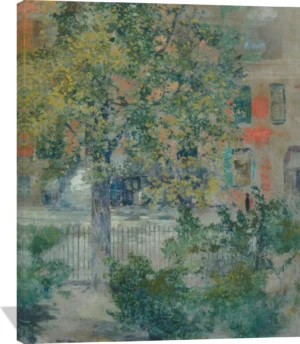

The Christian Wilhelm Ernst Dietrich Christ Healing the Sick canvas captures a moment of divine compassion rendered in warm earth tones and soft golden light. Figures gather around the central healer, their gestures and expressions illuminated against a deep, atmospheric backdrop of browns, ochres, and muted greens. The balanced horizontal composition draws the viewer inward, evoking serenity and reverence.
This museum-quality wall art brings timeless grace to any living room, study, or entryway. A masterful example of 18th-century German artistry, this Christ Healing the Sick canvas print offers both spiritual depth and classical elegance for refined interiors.
Christian Wilhelm Ernst Dietrich (1712–1774) was a German painter and printmaker whose virtuosity earned him recognition as one of the most versatile artists of the 18th century. Born in Weimar and later active in Dresden, he became known for his remarkable ability to emulate the styles of earlier European masters while refining a voice uniquely his own.
Artistic Style
Dietrich’s work is distinguished by a refined technique that blends Baroque richness with early Rococo elegance. His extraordinary skill in imitation allowed him to channel the visual languages of Rembrandt, Salvator Rosa, and various Dutch and Italian schools, yet his compositions reveal a personal sensitivity to atmosphere and detail. His mastery of light, texture, and narrative nuance made him a sought-after court painter and a respected figure in European art circles.
Subjects and Themes
Dietrich produced an expansive body of work that includes landscapes, pastoral scenes, religious narratives, genre subjects, and historical allegories. He excelled particularly in intimate rustic scenes and dramatic chiaroscuro compositions. Whether depicting tranquil countryside vistas or richly shadowed interiors, he infused his subjects with subtle emotion and polished draftsmanship.
Legacy and Significance
As a professor at the Dresden Academy and inspector of the Royal Gallery, Dietrich played a meaningful role in shaping artistic education in Saxony. His paintings and engravings embody a bridge between the grand traditions of the 17th century and the evolving tastes of the 18th. Today, collectors value his work for its technical refinement, stylistic versatility, and the distinctive mastery that made him one of Germany’s most accomplished artists of his era.