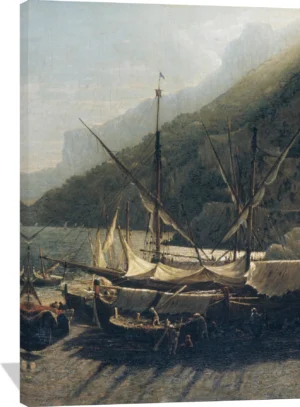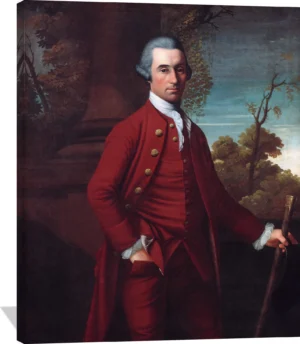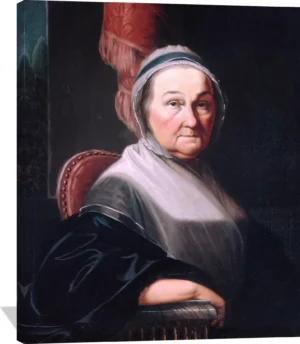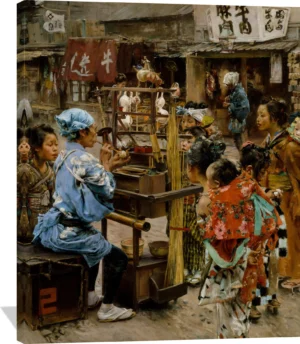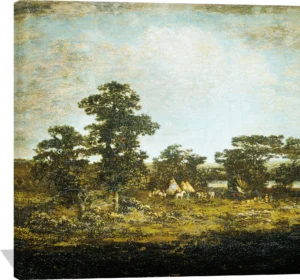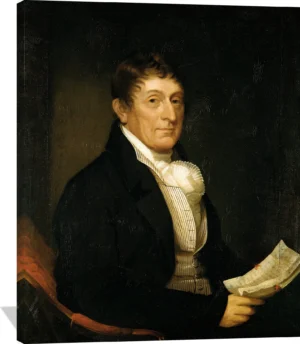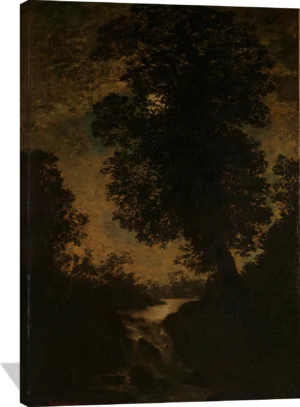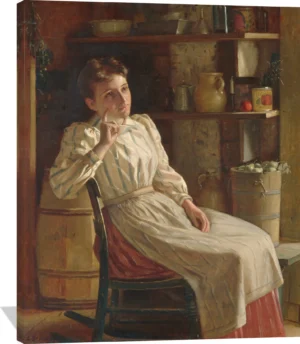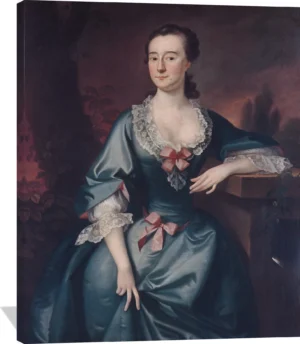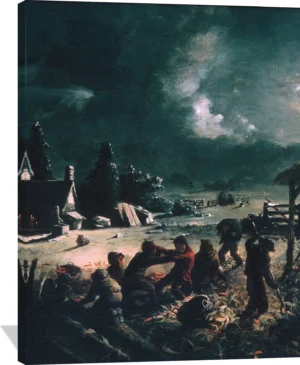
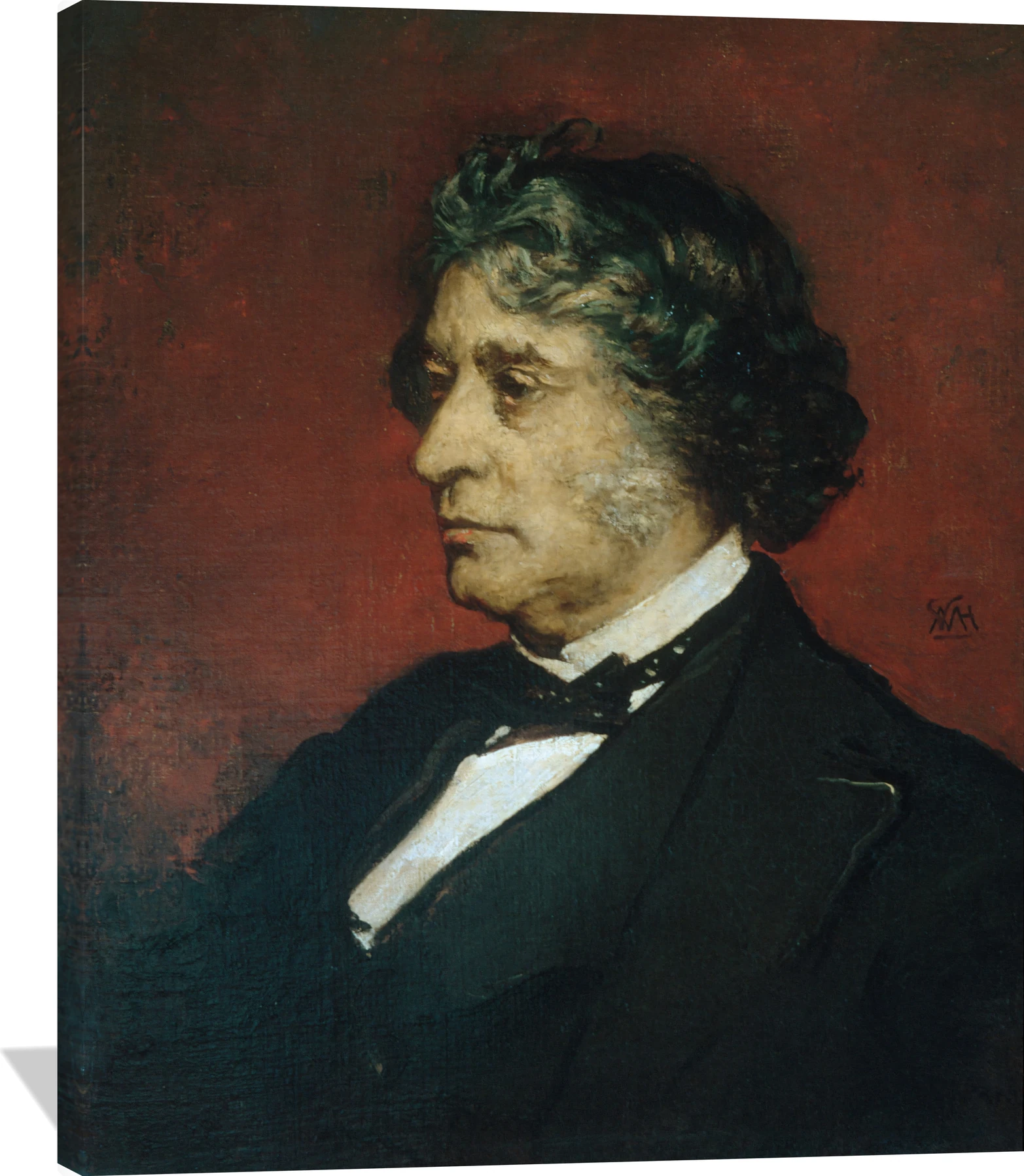
The William Morris Hunt Charles Sumner canvas captures a dignified portrait rendered in deep, refined tones of crimson, charcoal, ivory, and muted gold. Hunt’s masterful brushwork and subtle lighting evoke quiet strength and intellect, giving this piece a timeless presence that commands attention without excess.
This premium Charles Sumner wall art brings a sense of heritage and sophistication to any interior. Ideal for a study, library, or formal living space, this canvas print adds depth and character while celebrating the artistry of one of America’s most respected 19th-century painters.
William Morris Hunt (1824–1879), born in Brattleboro, Vermont and later active throughout New England, was a pivotal figure in introducing French Barbizon aesthetics to American art. His training in Paris under Thomas Couture and his deep admiration for Jean-François Millet shaped a style that blended atmospheric realism with poetic sensitivity.
Artistic Style and Influences
Hunt’s work is distinguished by its soft tonal harmonies, fluid brushwork, and an emphasis on natural light. He embraced the Barbizon School’s commitment to painting from life, favoring nuanced landscapes and expressive figural compositions. His ability to convey mood through restrained color and subtle gradation made him a leading voice in American realist painting.
Subjects and Notable Themes
Hunt often depicted rural laborers, pastoral settings, and introspective figures, capturing the quiet dignity of everyday life. Works such as The Bathers and The Flight of Night reveal his interest in mythic resonance and emotional depth. His portraits, admired for their psychological insight, further demonstrate his command of form and atmosphere.
Cultural Significance
As a teacher and lecturer in Boston, Hunt played a substantial role in shaping American art tastes during the mid‑19th century. His dedication to plein-air practice and his advocacy for modern European techniques helped lay the groundwork for later generations of American painters. He is remembered today as a key transmitter of European realism to the United States and as an artist whose quiet, lyrical vision continues to resonate.