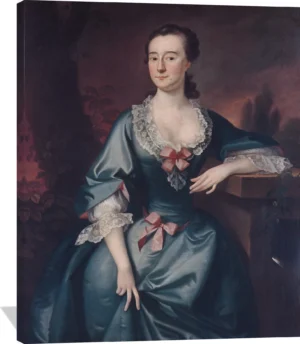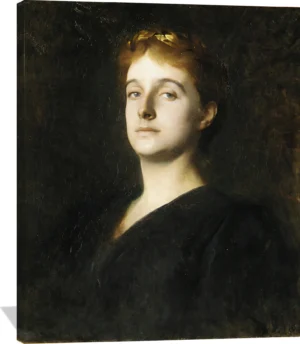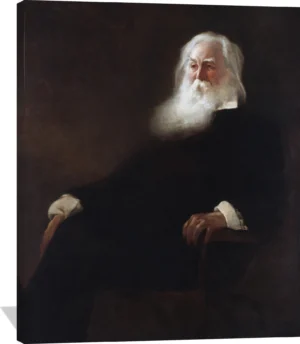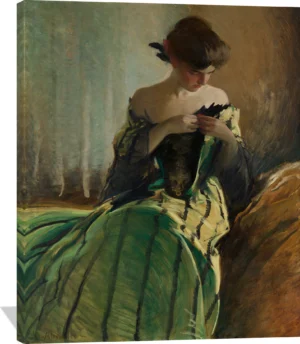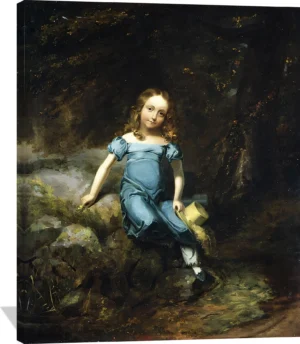
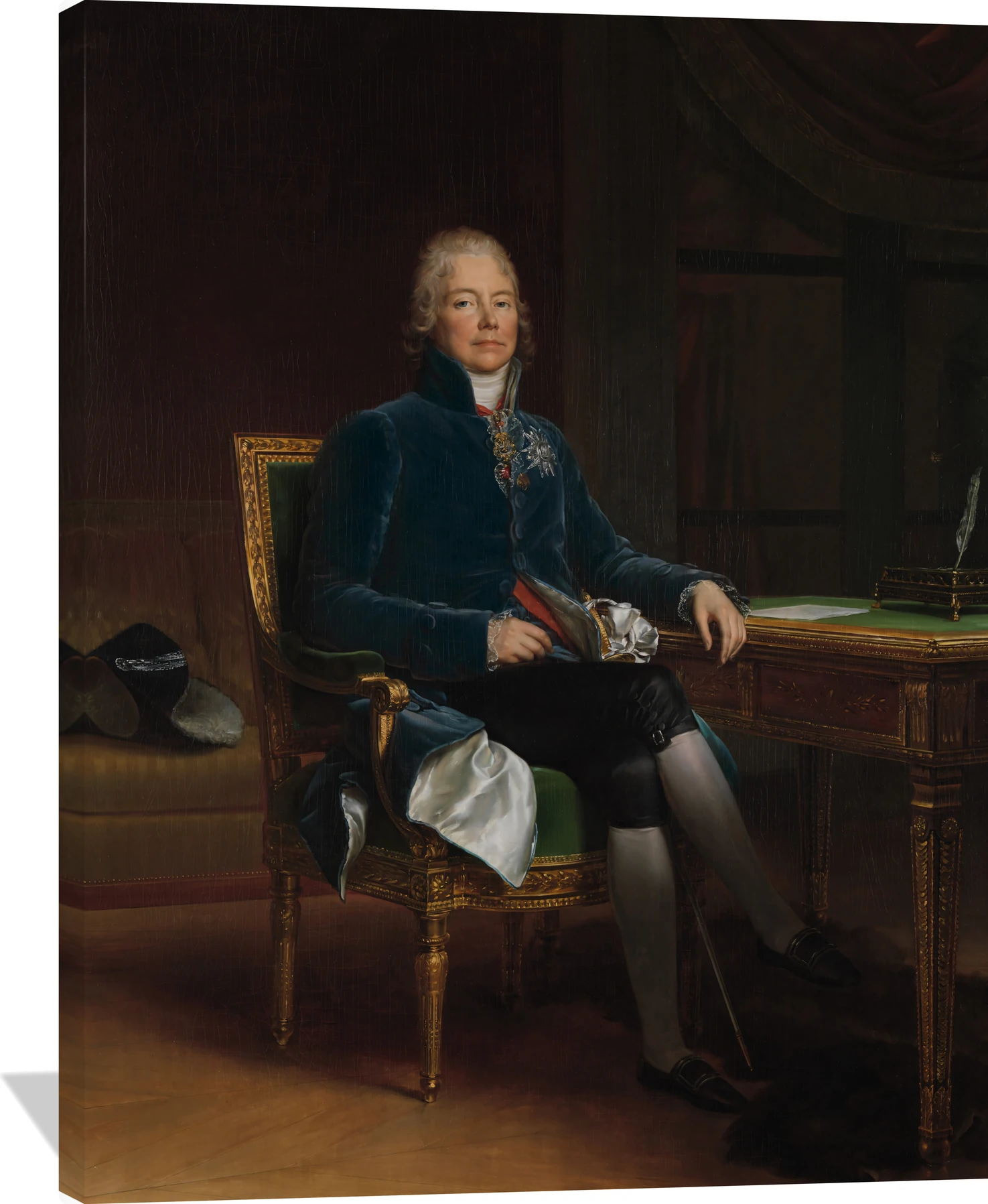
The baron François Gérard Charles Maurice de Talleyrand Périgord (1754–1838), Prince de Bénévent canvas captures the refined poise and diplomatic gravitas of one of France’s most influential statesmen. Set against a rich interior of deep burgundy, emerald green, and gold, this neoclassical portrait radiates elegance and composure. Gérard’s masterful brushwork and the soft interplay of velvet blues and warm light evoke timeless sophistication.
This premium canvas print brings a sense of history and grandeur to any space. Ideal for a study, library, or formal living room, it adds an air of cultured refinement and quiet power to your wall art collection.
Baron François Gérard (1770–1837) was a distinguished French painter celebrated for his mastery of Neoclassical elegance and refinement. Trained in Rome and active primarily in Paris, he rose to prominence during the Napoleonic era, becoming one of the period’s most sought‑after portraitists.
Artistic Style
Gérard’s work is characterized by precise draftsmanship, balanced compositions, and a serene, idealized beauty that reflects the ideals of Neoclassicism. His paintings often merge classical restraint with a lyrical softness, creating portraits that feel both dignified and intimately human.
Notable Contributions
Appointed court painter under Napoleon, Gérard became renowned for grand state portraits and refined allegorical scenes. His celebrated works, including Portrait of Napoleon I and Psyche Receiving Cupid’s First Kiss, reveal his gift for combining political symbolism with poetic visual storytelling. His atelier became a prominent center of artistic training, influencing a generation of French painters.
Subjects and Themes
Gérard specialized in portraying European nobility, political leaders, and influential cultural figures, capturing them with an elegance that emphasized character and stature. He also explored mythological and historical themes, consistently highlighting clarity, harmony, and emotional restraint.
Cultural Significance
As one of the leading painters of the early nineteenth century, Gérard played a key role in shaping the visual identity of the Napoleonic and Restoration eras. His portraits remain valued for their combination of psychological depth and courtly splendor, and his legacy endures as a testament to the enduring power of Neoclassical refinement.