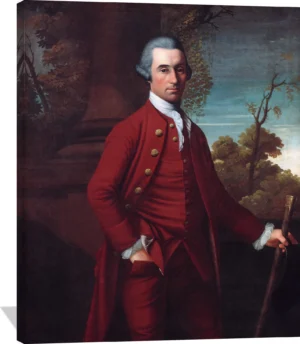

The Sir Godfrey Kneller Charles Beauclerk (1670–1726), Duke of St. Albans canvas captures refined elegance and noble poise through masterful Baroque portraiture. Rich emerald tones, warm flesh hues, and a striking crimson drape create a harmonious balance of depth and grandeur, set against a softly lit architectural backdrop. Kneller’s confident brushwork and attention to texture evoke timeless sophistication.
This premium canvas print brings stately charm to any interior—ideal for a living room, study, or entryway seeking a touch of aristocratic grace. A distinguished piece of wall art that celebrates heritage, artistry, and enduring style.
Sir Godfrey Kneller (German, Lübeck 1646–1723 London) was one of the most influential portraitists of the late seventeenth and early eighteenth centuries, shaping the visual identity of England’s aristocracy, intellectuals, and monarchs.
Artistic Style
Kneller’s portraits are distinguished by their refined elegance, controlled drama, and confident compositional balance. His work blends Baroque richness with a clear, poised naturalism, creating images that feel both stately and intimately observed. He favored luminous skin tones, expressive yet restrained facial characterization, and sumptuous textural details that conveyed the social stature of his sitters.
Notable Contributions
Appointed Principal Painter to the Crown, Kneller created enduring likenesses of monarchs from Charles II to George I. His celebrated series, the Kit-Cat Portraits, set a benchmark for fashionable portrait format and helped define the public image of Britain’s leading thinkers and statesmen. His workshop became a model for efficiency and craftsmanship, influencing generations of British portrait painters.
Typical Subjects
Kneller specialized in portraying royalty, nobility, diplomats, and cultural figures. His sitters exude both dignity and personality, a hallmark of his ability to merge formal grandeur with psychological nuance. He often incorporated subtle theatricality flowing drapery, atmospheric backgrounds, or symbolic details that elevated the sitter’s presence without overpowering their likeness.
Cultural Significance
By shaping how Britain’s ruling and intellectual classes were visually represented, Kneller played a central role in defining the country’s cultural identity during the Restoration and early Georgian era. His portraits remain valued not only for their technical finesse but also for their historical resonance, capturing a transformative period in British political and artistic life. His legacy endures as a cornerstone of English portraiture and a testament to the power of painted likeness to frame history.