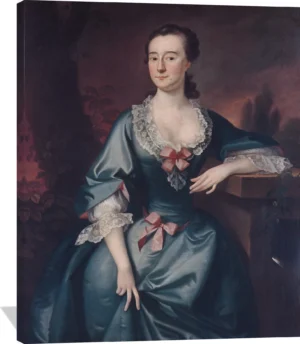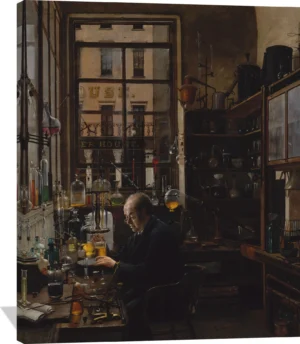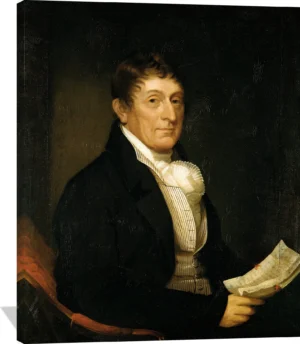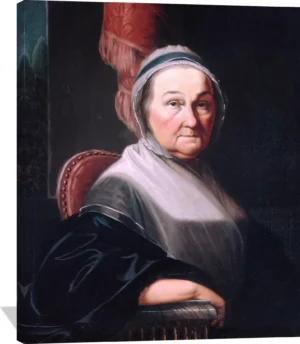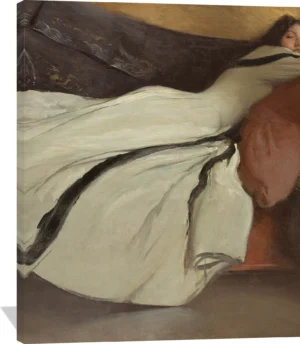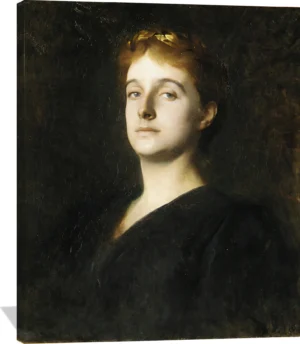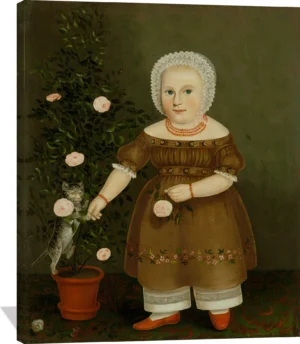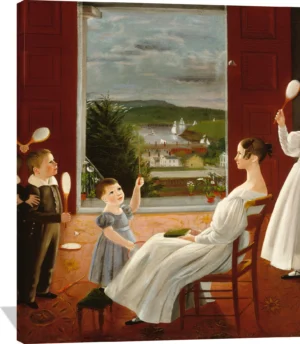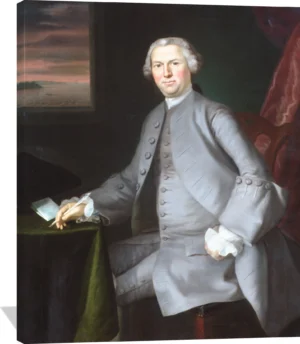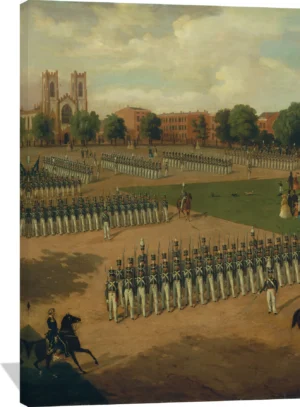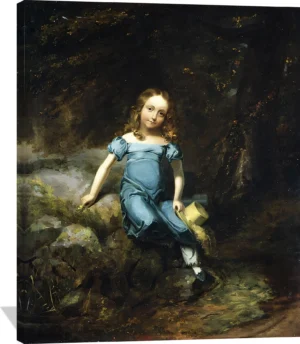
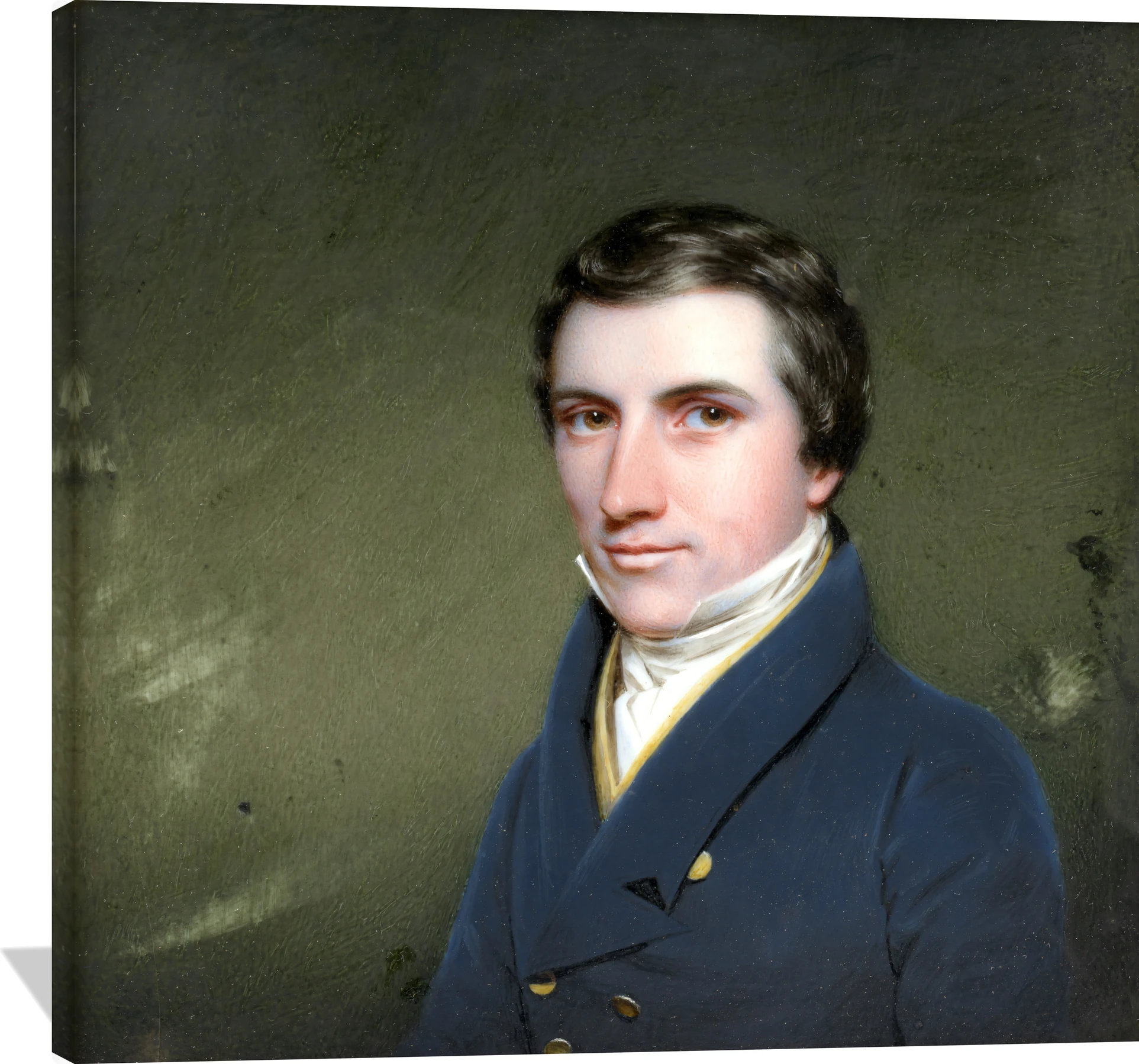
The Charles Cromwell Ingham Benjamin Moore McVickar canvas captures refined 19th-century elegance through a poised portrait bathed in soft light. Subtle tones of navy, ivory, olive, and warm flesh hues create a balanced composition that radiates quiet confidence and timeless sophistication. Ingham’s meticulous brushwork and gentle realism lend the sitter a lifelike presence that draws the viewer in.
This classic wall art brings an air of heritage and grace to any setting—ideal for a study, library, or formal living room. A premium Benjamin Moore McVickar canvas print adds depth, history, and understated luxury to your curated interior.
Charles Cromwell Ingham (1786–1863) was an American painter, born in Dublin, whose refined portraiture helped define the visual culture of early nineteenth‑century New York. Trained in the European academic tradition before immigrating to the United States, he became one of the city’s most sought‑after portraitists, admired for his meticulous technique and graceful sense of character.
Artistic Style
Ingham is celebrated for a polished, neoclassical style marked by smooth surfaces, subtle modeling, and a careful attention to detail. His portraits often exhibit a luminous clarity, with sitters rendered in poised, serene compositions that emphasize both elegance and psychological presence. His mastery of texture particularly in fabrics, skin tones, and hair sets his work apart and contributes to its enduring appeal.
Subjects and Themes
Best known for portraits of women, Ingham developed a reputation for capturing idealized beauty while maintaining a sense of individuality. He portrayed prominent members of New York society, elevating his sitters through refined poses and controlled, harmonious color. Whether depicting social elites or rising figures of the era, his canvases convey dignity and warmth, often highlighting the cultural aspirations of a growing American metropolis.
Legacy and Significance
A founding figure of the National Academy of Design, Ingham played a crucial role in shaping artistic standards and fostering professional community among American painters. His work represents a pivotal moment in early American art, when European traditions blended with a distinct national identity. Today, his portraits remain valued for their technical finesse, their quiet sophistication, and their contribution to the visual record of nineteenth‑century America.