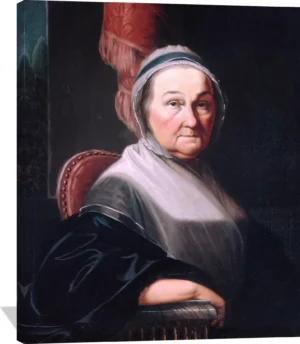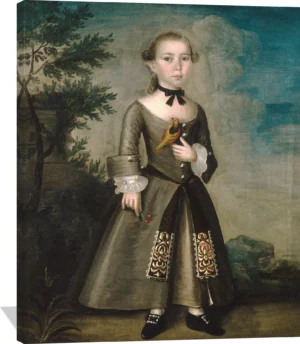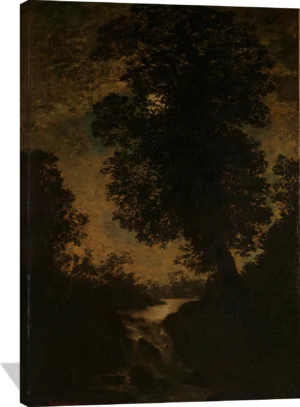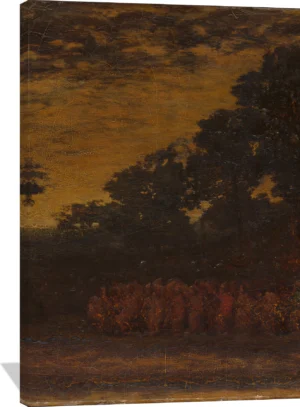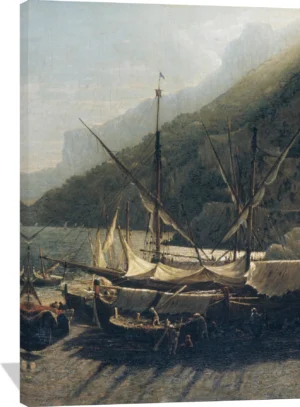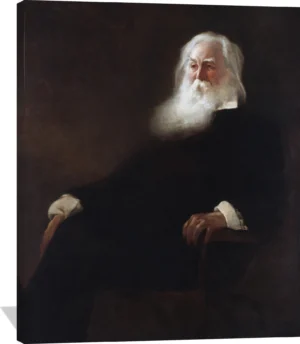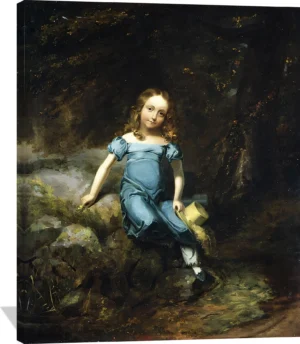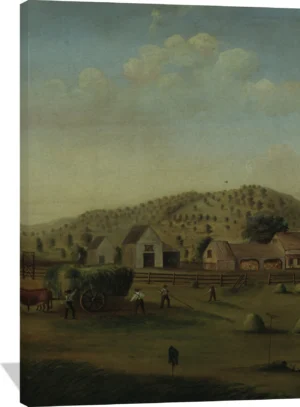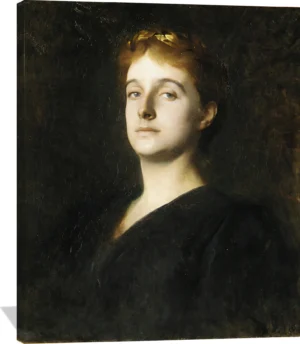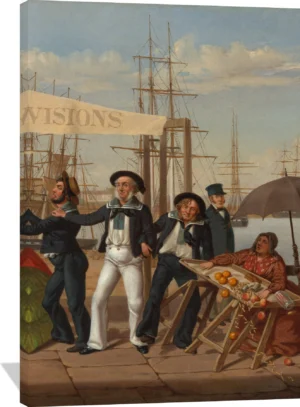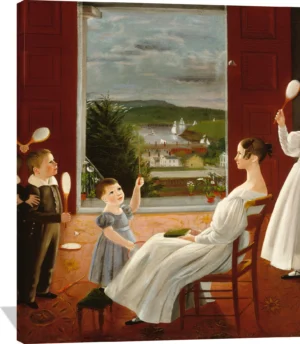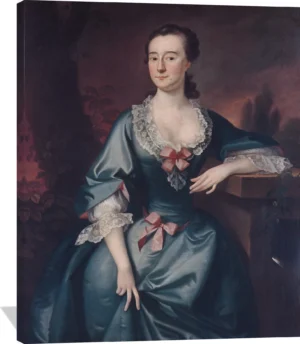
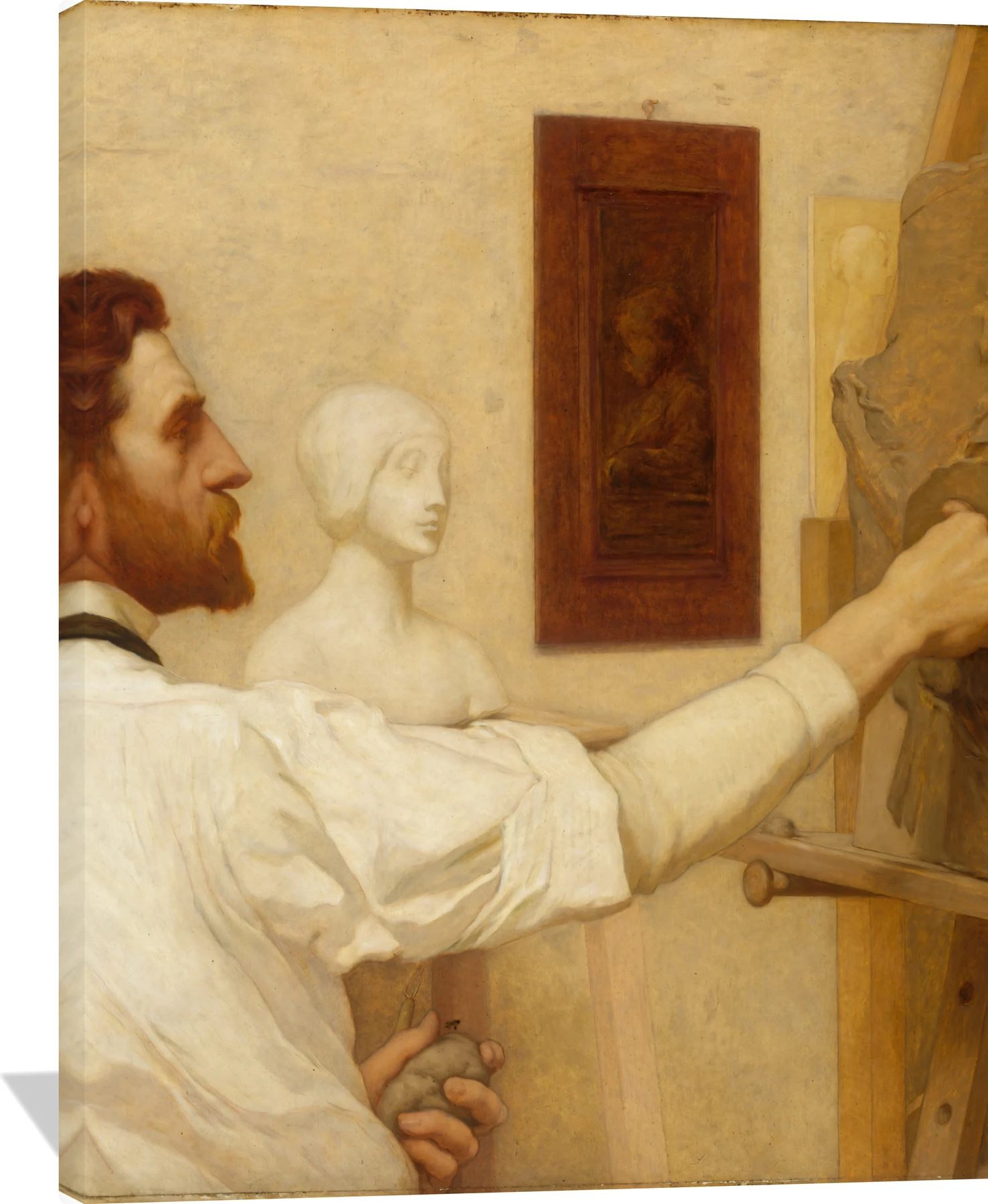
The Kenyon Cox Augustus Saint-Gaudens canvas captures a moment of artistic focus and reverence, portraying the famed sculptor at work in his studio. Warm golden tones, soft creams, and muted browns blend harmoniously to evoke the quiet discipline of creation. Cox’s refined realism and balanced composition lend the scene a timeless grace that feels both intimate and monumental.
This elegant wall art brings a sense of craftsmanship and contemplation to any space. Perfect for a study, library, or living room, this canvas print celebrates the artistry of making art itself—an inspiring tribute to creativity and dedication.
Kenyon Cox (1856–1919) was an American painter, illustrator, and influential art critic whose career bridged the elegance of academic classicism with the evolving artistic culture of New York at the turn of the twentieth century. Born in Warren, Ohio, and later active in New York, Cox became known for his disciplined technique, intellectual rigor, and unwavering dedication to classical ideals.
Artistic Style and Vision
Cox’s work is distinguished by its refined draftsmanship, harmonious compositions, and a commitment to classical form rooted in Renaissance and Academic traditions. Favoring clarity, balance, and idealized beauty, he often portrayed allegorical figures, mythological themes, and serene, contemplative subjects. His mastery of line made him a respected figure among American classicists, and his paintings reflect a belief in art as a vehicle for moral and aesthetic elevation.
Notable Contributions
In addition to his studio work, Cox was deeply engaged in the intellectual life of American art. As a critic and writer, he helped articulate the values of the American Renaissance, advocating for craftsmanship, historical awareness, and the continuity of classical ideals. His murals and large-scale decorative commissions, created for important civic and cultural institutions, exemplify his ability to blend narrative clarity with monumental form.
Cultural Significance
Kenyon Cox holds a distinctive place in American art history as a leading voice for academic classicism during a period of rapid artistic change. His eloquent defense of traditional technique, combined with his own accomplished work, positioned him as both a practitioner and a guiding force within the cultural landscape of his era. Today, his paintings, drawings, and writings offer insight into the aspirations of the American Renaissance and the enduring pursuit of beauty grounded in classical ideals.
Cox’s legacy endures through his influential teachings, his contributions to public art, and his thoughtfully crafted works that continue to exemplify the power of discipline, harmony, and timeless artistic principles.